Water quality challenges continue to evolve as scientists discover more contaminants that can affect drinking water, industrial processes, irrigation systems, and environmental health. While traditional filtration methods remain highly effective for removing sediment and suspended solids, today’s water treatment professionals must also address contaminants that cannot be seen with the naked eye. These include PFAS, Chromium-6, 1,2,3-TCP, certain organic chemicals, taste and odor compounds, and even growing concerns surrounding microplastics. As regulations continue to tighten and public awareness grows, organizations across multiple industries are looking for advanced solutions that deliver dependable, long-term performance.
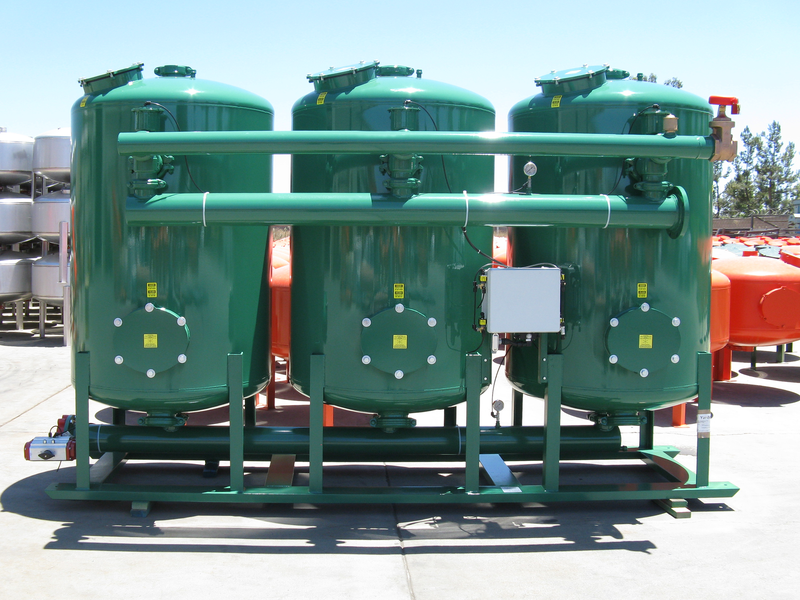
One of the most proven technologies available today is Granular Activated Carbon (GAC) filtration. For decades, GAC has been used in municipal water treatment, industrial water treatment, commercial applications, and specialized water filtration systems because of its remarkable ability to adsorb a wide variety of organic contaminants. When properly engineered and maintained, GAC systems provide an effective barrier against many emerging contaminants while supporting broader goals such as water reuse and sustainability.
At Yardney Water Filtration Systems, we understand that every water source presents unique challenges. Whether supporting municipalities, industrial facilities, agricultural operations, golf courses, or commercial properties, we engineer filtration systems that are built for reliability, efficiency, and long-term performance.
What Is Granular Activated Carbon (GAC)?
Granular Activated Carbon is a highly porous filtration media produced from carbon-rich materials such as coal, coconut shells, or wood that have been processed to create millions of microscopic pores. These pores dramatically increase the material’s surface area, allowing a relatively small amount of carbon to adsorb an impressive quantity of contaminants.
Unlike mechanical filtration, which physically strains particles from water, GAC works through adsorption. During adsorption, contaminants adhere to the enormous internal surface area of the activated carbon rather than simply passing through the filter. A single pound of activated carbon can contain hundreds of acres of effective surface area, making it exceptionally efficient at capturing dissolved organic compounds.
Because adsorption targets dissolved contaminants rather than suspended solids, GAC is often paired with other treatment technologies such as Sand Media Filters, Multi Media Filters, or Automatic Clean Screen Filters. Together, these technologies create comprehensive water filtration systems capable of addressing both particulate matter and dissolved contaminants simultaneously.
Why Emerging Contaminants Are Receiving Increased Attention
Water professionals frequently use the term “emerging contaminants” to describe substances that historically were not monitored extensively but are now recognized as potential environmental or public health concerns. Many of these compounds originate from industrial manufacturing, consumer products, pharmaceuticals, agricultural chemicals, or naturally occurring sources.
Among the most widely discussed are per- and polyfluoroalkyl substances (PFAS), sometimes referred to as “forever chemicals” because they break down extremely slowly in the environment. The U.S. Environmental Protection Agency continues expanding research and regulations regarding PFAS due to their persistence and potential health impacts. The EPA provides extensive information regarding current regulations, health advisories, and treatment technologies.
Other contaminants drawing increased attention include Chromium-6, 1,2,3-TCP, volatile organic compounds, pesticides, industrial solvents, taste and odor compounds, and certain microplastics. While every contaminant requires its own treatment strategy, GAC has become one of the industry’s most versatile tools for addressing many dissolved organic contaminants effectively.
As regulatory standards become increasingly stringent, municipalities, industries, and commercial facilities are investing in advanced treatment technologies before compliance deadlines require them to do so.
How GAC Removes Contaminants
The effectiveness of Granular Activated Carbon Filters comes from their tremendous adsorption capacity. As water flows through the carbon bed, dissolved organic molecules migrate into the carbon’s microscopic pores and attach to its internal surfaces.
Unlike filters that trap particles by size alone, adsorption depends upon chemical interactions between the contaminant and the activated carbon. This allows GAC to remove contaminants that would otherwise pass through conventional filters.
Several factors influence performance, including:
- Carbon type
- Particle size
- Contact time
- Water temperature
- Flow rate
- Concentration of contaminants
- Competing organic compounds
Proper engineering is critical because every application differs. Municipal drinking water systems require different designs than industrial process water, agricultural irrigation, or commercial facilities. Selecting the correct media, vessel size, and operating parameters ensures the carbon performs efficiently while maximizing media life.
GAC and PFAS Remediation
One of the fastest-growing applications for Granular Activated Carbon (GAC) involves PFAS remediation. Numerous studies have shown that properly designed GAC systems can effectively reduce many long-chain PFAS compounds, making them an important treatment option for drinking water utilities and industrial facilities.
As regulatory agencies continue lowering acceptable PFAS limits, municipalities across North America are evaluating treatment technologies capable of meeting future compliance standards. GAC remains among the most widely implemented solutions because of its proven performance, scalability, and operational familiarity.
According to the U.S. Environmental Protection Agency, treatment effectiveness depends upon multiple variables including the specific PFAS compounds present, system design, empty bed contact time, and ongoing monitoring. Because no single treatment technology addresses every water quality issue equally, comprehensive testing remains an essential first step before selecting equipment.
Municipal water systems are increasingly combining Granular Activated Carbon Filters with additional treatment technologies to create multi-barrier systems capable of removing sediments, organic contaminants, and other regulated compounds simultaneously.
Addressing Chromium-6, 1,2,3-TCP, and Other Emerging Contaminants
While PFAS often dominates discussions surrounding emerging contaminants, water professionals are also monitoring substances such as Chromium-6, 1,2,3-TCP, pesticides, industrial solvents, pharmaceutical residues, and disinfection byproducts.
Each contaminant behaves differently within water, meaning treatment solutions must be tailored accordingly. Some compounds respond exceptionally well to GAC adsorption, while others may require complementary technologies such as Ion Exchange (IX), oxidation, biological treatment, or specialized media.
For example:
- Chromium-6 frequently requires reduction and specialized removal methods.
- 1,2,3-TCP has demonstrated effective removal using appropriately designed GAC systems.
- Certain pesticides and volatile organic compounds are well suited for activated carbon treatment.
- Taste and odor compounds commonly respond very well to GAC adsorption.
Comprehensive water analysis allows engineers to determine whether GAC alone provides sufficient treatment or whether multiple technologies should work together to achieve regulatory compliance.
GAC as Part of Complete Water Filtration Systems
Although GAC receives significant attention for contaminant removal, it performs best when incorporated into complete water filtration systems rather than operating independently.
Incoming water frequently contains suspended solids, sand, algae, biological material, or iron particles that can prematurely foul carbon media. Removing these materials first protects the activated carbon while extending operational life.
Many advanced treatment systems begin with technologies such as:
- Sand Media Filters
- Multi Media Filters
- Manual Clean Screen Filters
- Automatic Clean Screen Filters
- Sand Separators
- Centrifugal Sand Separators
Once particulate matter has been removed, water enters the Granular Activated Carbon Filter, where dissolved organic contaminants can be effectively adsorbed.
This layered treatment approach increases efficiency while reducing maintenance costs and improving overall system longevity.
Municipal Water Treatment Continues Driving Innovation
Among today’s fastest-growing markets for advanced filtration is Municipal Water Treatment. Population growth, aging infrastructure, stricter regulations, and increased concern regarding emerging contaminants have accelerated investment in new treatment technologies nationwide.
Municipal facilities must consistently deliver safe water despite changing source water quality, seasonal fluctuations, drought conditions, and evolving contaminant profiles. As a result, municipalities increasingly favor treatment systems that provide flexibility, scalability, and dependable long-term operation.
GAC has become an important component of many municipal treatment facilities because it addresses contaminants that traditional sediment filtration alone cannot remove. Combined with advanced Sand Media Filters, Multi Media Filters, and complementary technologies, municipalities can build comprehensive treatment trains that improve overall water quality while preparing for future regulatory requirements.
The American Water Works Association discusses how advanced treatment technologies continue evolving to address emerging water quality challenges while maintaining public confidence in drinking water systems. AWWA offers extensive technical resources for water professionals and utilities.
Industrial Water Treatment Requires Customized Solutions
Industrial facilities often face water quality challenges that differ significantly from municipal systems. Manufacturing operations, food processing plants, pharmaceutical facilities, chemical manufacturers, and energy producers frequently require water that meets strict process specifications.
Even relatively low concentrations of dissolved organic contaminants may interfere with production, damage equipment, reduce product quality, or increase maintenance costs.
Customized Industrial Water Treatment solutions frequently combine multiple technologies to address specific contaminants while optimizing operating efficiency. GAC can reduce dissolved organic compounds that affect sensitive manufacturing processes while improving downstream equipment performance.
Because industrial facilities often operate continuously, reliability becomes just as important as treatment effectiveness. Properly engineered systems help minimize downtime, extend equipment life, and reduce overall operating costs.
Supporting Agriculture, Irrigation, Golf, Turf, and Landscape Applications
Although discussions surrounding emerging contaminants often focus on drinking water, Agriculture Water Filters, Irrigation Water Filters, Golf Water Filters, Turf Water Filters, and Landscape Water Filters also benefit from advanced treatment technologies.
Water quality directly influences irrigation equipment performance, crop health, turf appearance, and overall operational efficiency. Suspended solids can clog irrigation emitters, while organic contaminants may affect water reuse programs or specialized agricultural applications.
Many irrigation systems begin with Sand Media Filtration or Automatic Clean Screen Filters before incorporating additional treatment technologies when source water quality requires it.
As water scarcity increases throughout many regions, Water Reuse and Sustainability initiatives continue expanding. Proper filtration allows reclaimed water to be safely utilized in appropriate applications while protecting valuable irrigation infrastructure.
Iron, Manganese, Arsenic, and Specialized Media Solutions
Not every water quality challenge involves emerging contaminants. Naturally occurring substances such as Iron, Manganese, and Arsenic continue creating significant operational issues for municipalities, industrial users, and groundwater systems.
High iron concentrations may produce staining, foul equipment, reduce process efficiency, and affect water appearance. Elevated manganese levels create similar concerns while also contributing to taste and color problems.
Depending upon the application, specialized treatment media such as Green Sand, Green Sand Plus, organic clay, zeolites, and other engineered media can effectively address these contaminants.
Selecting the correct treatment media requires careful analysis of water chemistry, flow requirements, contaminant concentrations, and long-term operational goals. Customized engineering ensures every treatment system delivers reliable performance for its intended application.
Water Reuse and Sustainability Depend on Advanced Filtration
As freshwater supplies become increasingly valuable, organizations are placing greater emphasis on Water Reuse and Sustainability. Reusing treated water conserves natural resources while reducing operational costs and supporting environmental stewardship.
Effective reuse programs require treatment technologies capable of consistently producing high-quality water suitable for its intended application. Depending upon reuse objectives, treatment trains may incorporate Sand Media Filters, Granular Activated Carbon Filters, disinfection systems, membrane technologies, or specialized media.
The U.S. Geological Survey explains that water reuse continues expanding across municipal, industrial, and agricultural sectors as communities seek sustainable approaches to long-term water management.
As regulations evolve and water demands continue increasing, advanced filtration technologies will remain central to sustainable water management strategies.
Frequently Asked Questions
Understanding advanced filtration technologies can feel overwhelming because every water source presents unique challenges. The following questions address several of the topics customers ask most frequently when evaluating Granular Activated Carbon (GAC) systems.
How often does Granular Activated Carbon need to be replaced?
Carbon replacement depends upon contaminant concentrations, water chemistry, flow rates, and overall system design. Rather than replacing media on a fixed schedule, many facilities monitor breakthrough testing to determine when adsorption capacity has been exhausted. Proper pretreatment significantly extends carbon life.
Can GAC remove every emerging contaminant?
No single treatment technology removes every contaminant equally well. GAC performs exceptionally well for many dissolved organic compounds, including numerous PFAS compounds, taste and odor compounds, and volatile organic chemicals. However, contaminants such as Chromium-6, certain metals, or other specialized compounds may require complementary treatment technologies.
Why are multiple filtration stages often recommended?
Each filtration technology addresses different water quality concerns. Mechanical filtration removes suspended solids, while GAC targets dissolved organic contaminants. Combining technologies creates more effective treatment systems while protecting downstream equipment and extending media life.
Is GAC suitable for both municipal and industrial applications?
Yes. Properly engineered GAC systems are widely used in Municipal Water Treatment, Industrial Water Treatment, commercial facilities, agricultural operations, irrigation systems, and numerous specialized applications. System design should always be based upon detailed water analysis and treatment objectives.
Why Partner with Yardney Water Filtration Systems
Water quality challenges continue becoming more complex, making it increasingly important to work with experienced filtration professionals who understand both today’s regulatory landscape and tomorrow’s emerging treatment needs. At Yardney Water Filtration Systems, we design advanced filtration solutions that combine proven technologies with application-specific engineering to help customers achieve dependable, long-term performance.
Our complete line of industrial and commercial filtration equipment includes Sand Media Filters, Multi Media Filters, Granular Activated Carbon Filters, and specialized media systems designed to address PFAS remediation, Iron and Manganese Removal, Arsenic, Chromium-6, 1,2,3-TCP, Municipal Water Treatment, Industrial Water Treatment, Irrigation Filtration, and numerous other demanding water quality applications. Whether serving agriculture, golf, turf, landscape, industrial, commercial, or municipal customers, we engineer solutions built around your specific water source and operational requirements.
With decades of proven filtration expertise, we understand that no two water treatment projects are identical. Our experienced team works closely with customers to evaluate water quality, identify treatment goals, and recommend systems that provide reliable performance while supporting long-term operational efficiency and sustainability.
To learn more about how Yardney Water Filtration Systems can help you address emerging contaminants or improve your water treatment process, call 951.656.6716 or email [email protected]. We look forward to helping you build a safer, cleaner, and more reliable water filtration solution for your operation.