
Landscape Irrigation Water Filtration Systems

Landscape irrigation filtration removes sand, scale, and organic material before water enters the distribution zones, so spray heads, drip lines, and valves stay clear across residential, commercial, and campus landscapes.
Yardney Mini Media filters handle lower flows from 15 to 45 gpm, and screen filters and strainers start at 110 gpm.
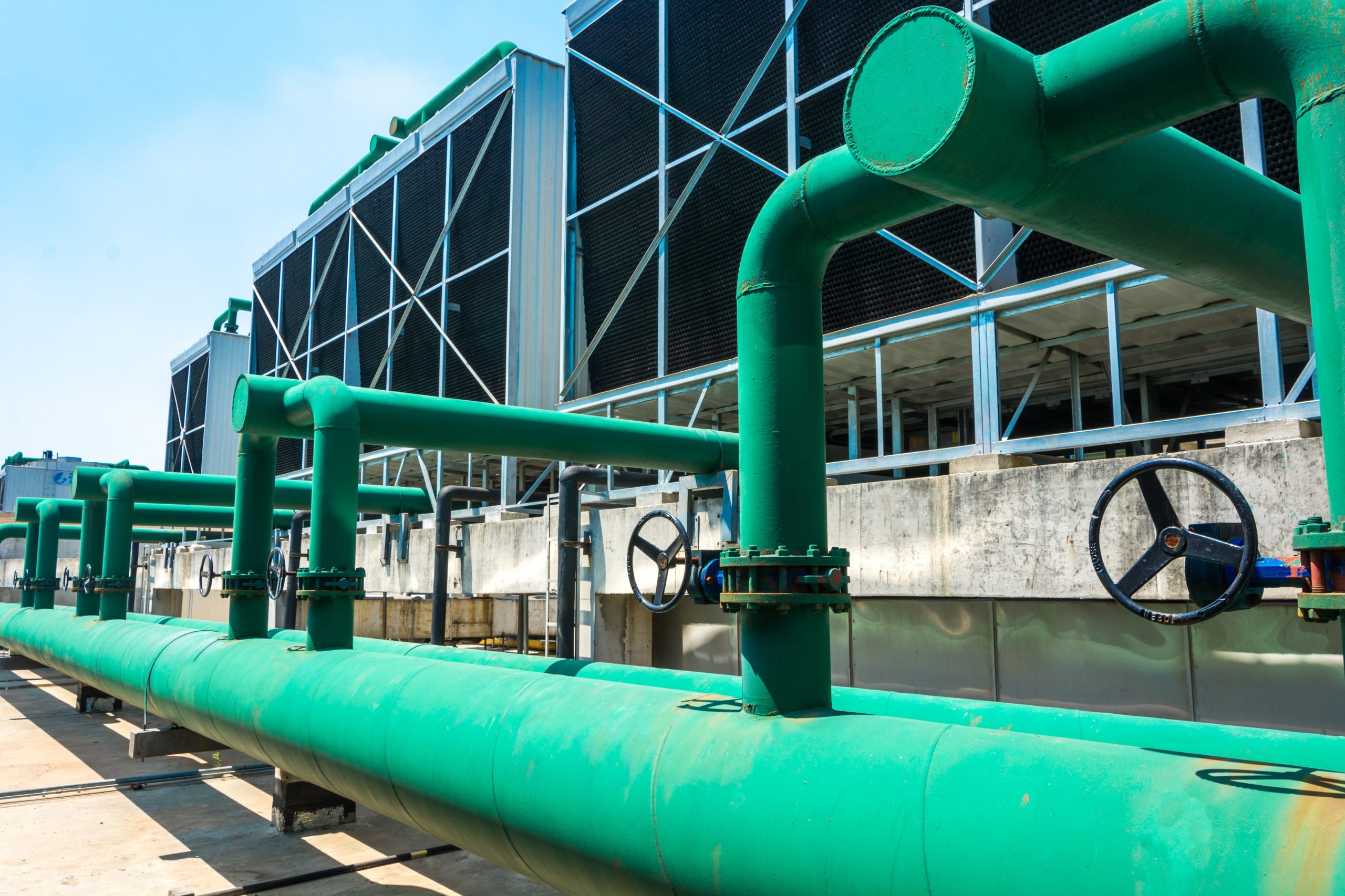
Landscape irrigation systems often run on mixed water sources and intermittent schedules, which can increase debris buildup and clogging risk in spray heads, drip lines, and valves. Effective pre-filtration removes sand, scale, and organic material before water enters distribution zones.
University of Arizona extension notes that a filter is needed to protect emitters when sprinklers are converted to drip, and that filters need regular cleaning and flushing. Extension guidance from the University of Florida adds that spray heads and rotors clog over time from dirt and debris.
Reliable Operation: Keep zones running across residential, commercial, and campus sites.
Fewer Callbacks: Reduce service calls tied to clogged heads and emitters.
Less Maintenance: Cut how often heads, lines, and valves need attention.
Longer Component Life: Avoid premature wear from sand and debris.
Yardney Mini Media filters are a sand media solution for lower flow applications, from 15 to 45 gpm. They remove algae, slime, and other organic material as well as sand, rock, and grit, with filtration down to 200 mesh or 75 microns.
The carbon steel tank is fusion epoxy lined, the underdrain is stainless steel wedgewire, and the standard operating pressure is 125 psi. For larger campuses, Maxi-Clean screens and basket strainers start at 110 gpm.
Applications
Standard Assembly Includes (Mini Media)

Filter choice depends on flow and the water source, since mixed or reclaimed sources behave differently from a clean municipal supply.
Mini Media: sand media for 15 to 45 gpm; 125 psi standard; 14-inch media bed; stainless steel wedgewire underdrain
Maxi-Clean Screen: removable filter socks in 40 to 200 mesh; from 110 gpm; under 2 psi pressure drop; manual flush
Basket Strainer: low-cost gross-solids removal from 110 gpm; 80 psi; also protects against pipeline break debris as a secondary filter
Treated sewage effluent used to irrigate urban landscapes, parks, and golf courses carries algae, bacteria, and suspended organic matter that can build up in pipes, raise friction, and clog emitters. A Yardney sand media filter with three 36-inch vessels, rated at 360 gpm and 105 psi, was completed in Riyadh in 2024 for this kind of water.
The case study reports no measured results.
Mixed water sources and intermittent schedules let sand, scale, and organic material build up in spray heads, drip lines, and valves.
University of Arizona extension notes a filter is needed when sprinklers are converted to drip, because even small particles can block emitter openings.
Mini Media filters handle 15 to 45 gpm. Screens and strainers start at 110 gpm, so larger campus systems use those instead.
Filters capture algae and suspended organic material that reclaimed sources can carry. Water quality and regulations vary, so Yardney reviews each source.
Mini Media filters backwash automatically on elapsed time or pressure differential. Screen filters need periodic cleaning; Maxi-Clean has a manual flush port.