Environmental Cleanup & Remediation Filtration
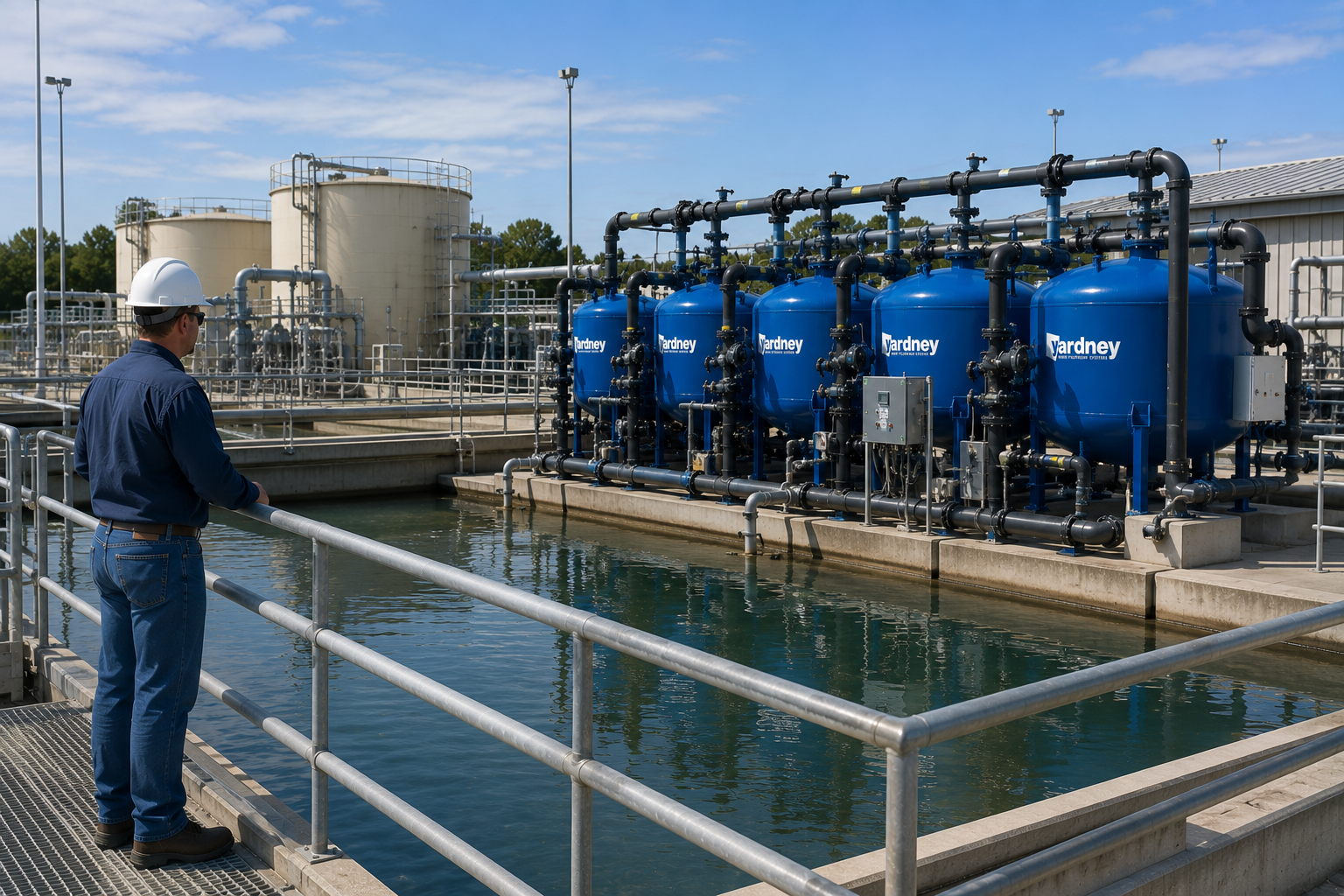
Filtration for environmental cleanup and remediation removes sediment and suspended solids from variable influent water so advanced treatment stages stay stable and effective.
Yardney media filters act as the first barrier, and Yardney GAC and ion exchange systems address groundwater, waste water, and emerging contaminants such as PFAS.
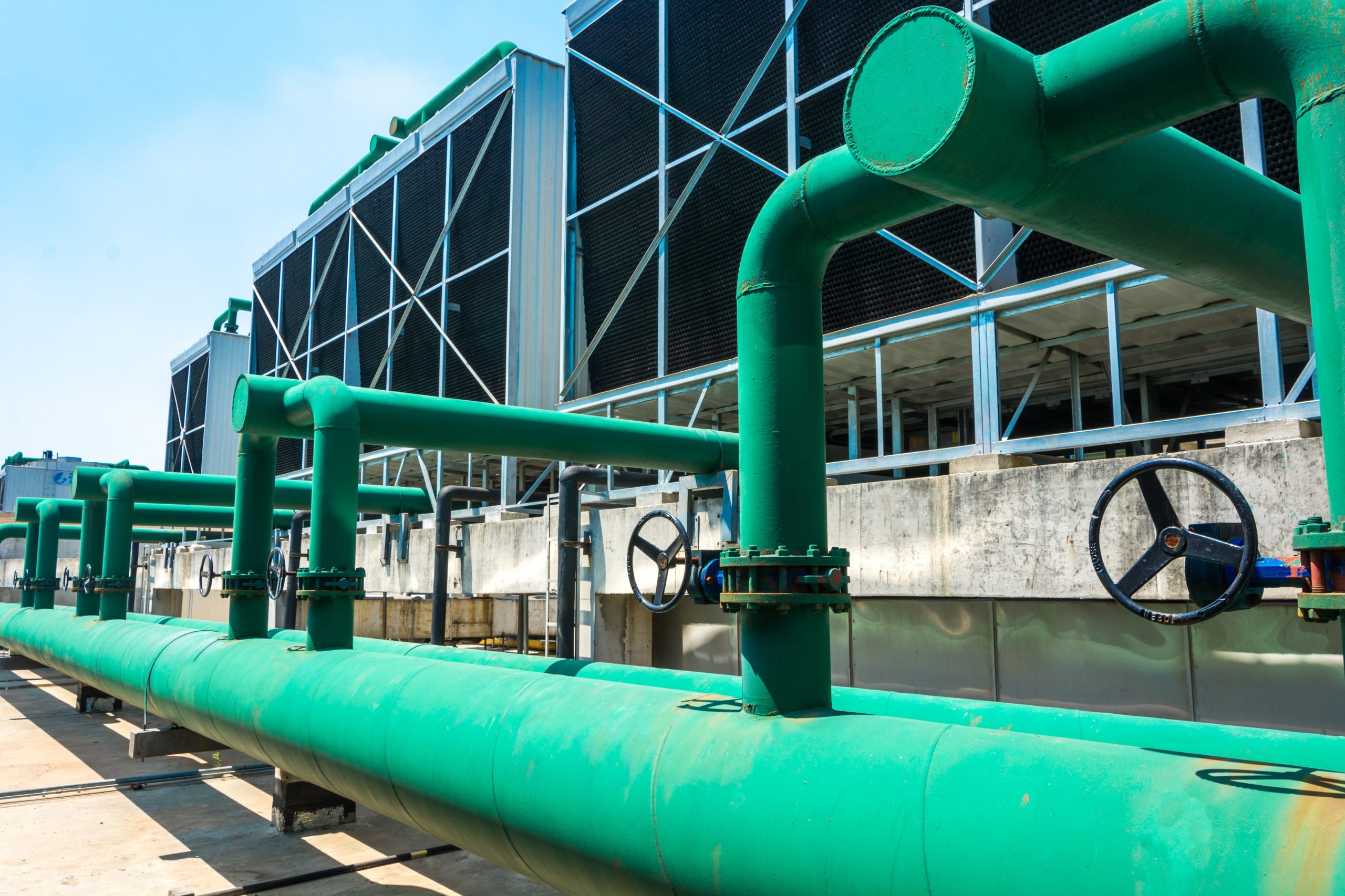
Remediation and cleanup projects often treat variable influent water that contains sediment, organics, and site-specific contaminants. Rainfall events, excavation activity, and changing groundwater conditions can shift water quality from one day to the next.
Filtration provides a first barrier that removes suspended solids and protects advanced treatment stages. That improves process stability and helps systems meet compliance targets when water quality fluctuates.
Protect Advanced Treatment: Keep sediment from reaching carbon, resin, and other treatment stages.
Stabilize Variable Influent: Even out swings from rainfall, excavation, or groundwater changes.
Support Compliance Targets: A steadier stream helps treatment hold its performance.
Reduce Maintenance Events: Less solids loading downstream means fewer interruptions.
Yardney Multi Media filters remove organic and inorganic suspended solids down to 5 microns and are used as pre-filtration ahead of granular activated carbon, reverse osmosis, and cartridge or bag filtration. Each system is skid mounted and ready for water and power hookup.
For dissolved contaminants, Yardney Granular Activated Carbon systems remove chlorine, organic chemicals, hydrocarbons, and other highly dispersed contaminants. Yardney Free Flow systems use GAC, ion exchange resin, or a dual-media design for PFAS and other emerging contaminants.
Applications
Standard Assembly Includes (Multi Media systems)
Available Options
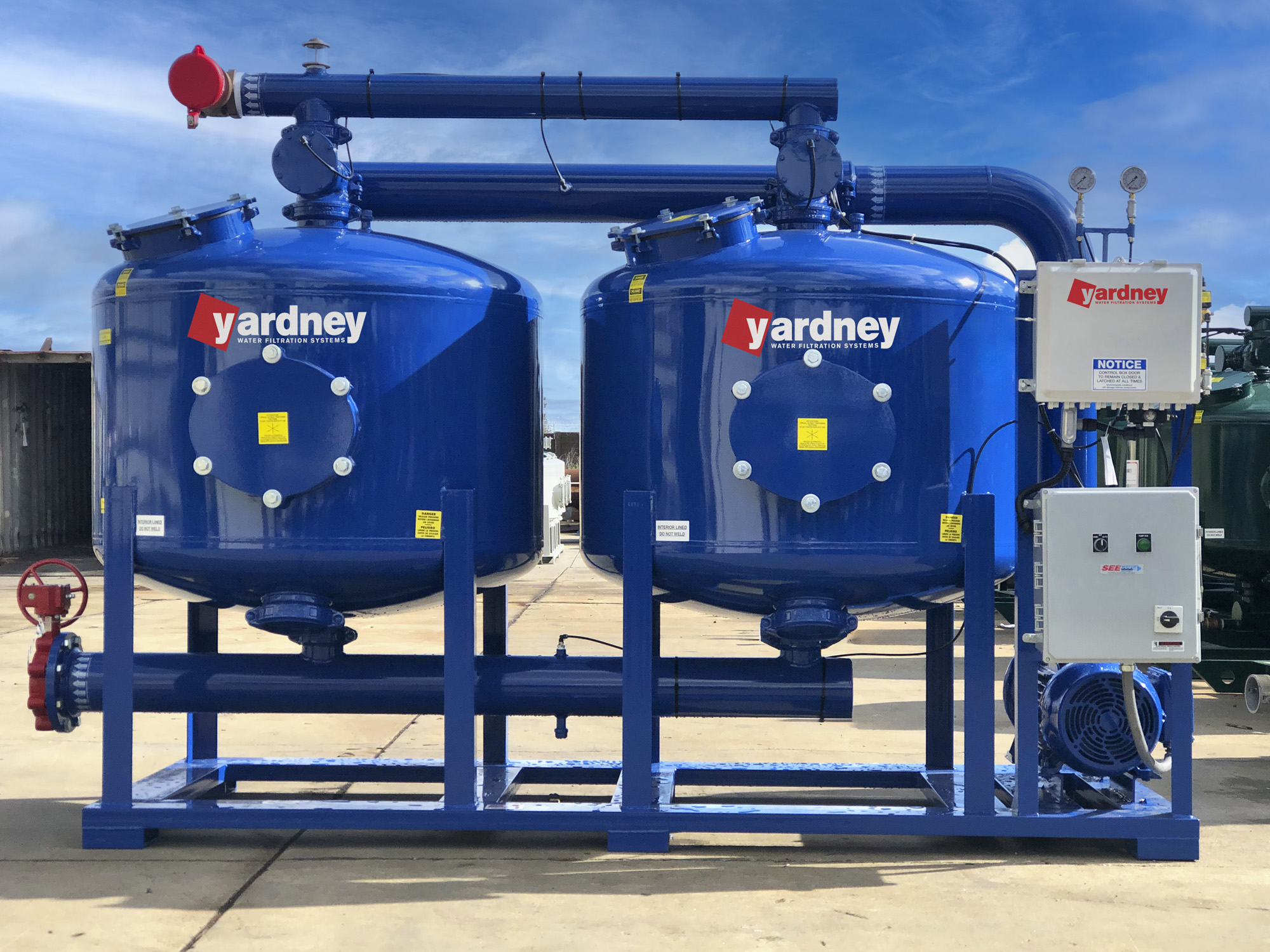
Media filters remove suspended solids, not dissolved contaminants. Contaminant removal depends on site water quality and needs site-specific design.
Multi Media: organic and inorganic suspended solids down to 5 microns; backwash starts automatically by elapsed time or pressure differential
Granular Activated Carbon: removes chlorine, organic chemicals, and hydrocarbons; 72-inch side shell; flows from 5 gpm
Free Flow PFAS Systems: GAC, ion exchange resin, or dual-media design; 125 psi standard; for PFAS, TCP, iron, manganese, arsenic, and chromium 6
It removes sediment and suspended solids from groundwater or site water so downstream treatment, such as carbon or ion exchange, can work reliably.
Suspended solids can foul resin beds and restrict flow. Pre-filtration protects the stage that removes dissolved contaminants.
Multi Media filters remove solids down to 5 microns as a first barrier. Granular Activated Carbon and Free Flow GAC, ion exchange, or dual-media systems target dissolved contaminants. Yardney sizes the system to your site water.
Yardney Free Flow systems are engineered for removal of PFAS, including short-chain and long-chain compounds, using GAC, ion exchange resin, or both. Results depend on site water quality, so each system is designed to the site.
Rainfall, excavation, and changing groundwater can shift influent quality. A filtration stage ahead of treatment helps absorb those swings.