
Dewatering Filtration Systems

Dewatering filtration removes sand, silt, and other suspended solids from water pumped out of excavations, mine shafts, basements, and drainage systems before it is discharged, reused, or treated further.
Yardney industrial filtration systems are skid-mounted and fully assembled, with centrifugal separator, sand media, and multi-media options for high solids loads.
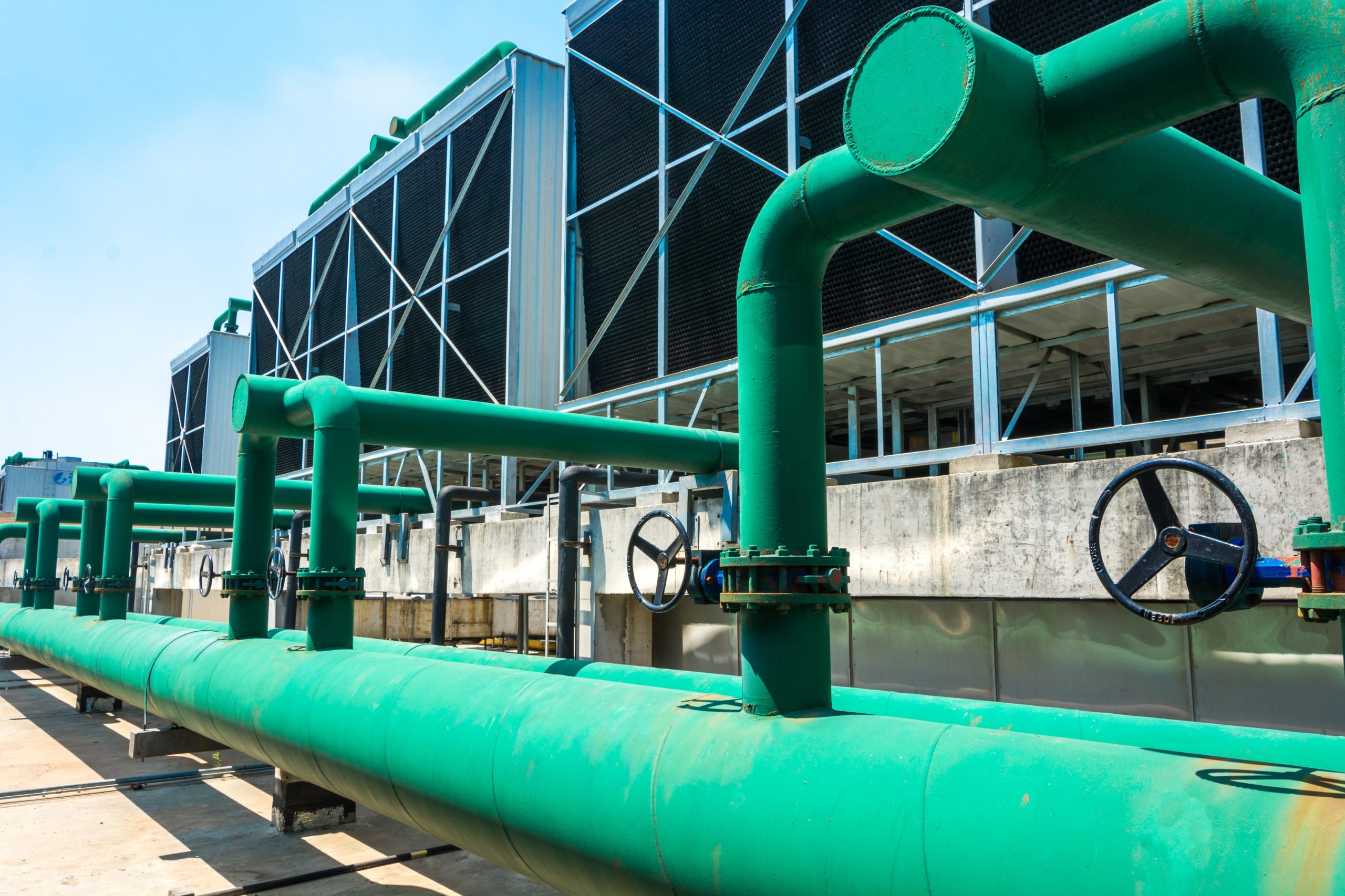
Water pumped from construction sites, utilities, basements, and mine shafts often carries sand, silt, fines, and suspended debris. These solids can overwhelm pumps, clog nozzles and piping, and complicate discharge when inflow changes with weather or site activity.
Dewatering discharge is typically regulated, and in many places sediment-laden water must be treated before it can reach surface water. Removing solids early supports cleaner discharge and reuse, protects downstream treatment, and reduces wear on equipment working in harsh conditions.
Reduce Equipment Wear: Remove sand, silt, and fines that wear down and clog pumps, nozzles, and piping.
Support Cleaner Discharge: Removing suspended solids early helps produce cleaner discharge water.
Protect Downstream Treatment: Stabilize water quality ahead of treatment or reuse systems.
Improve Reuse Potential: Cleaner water gives reclaim and reuse options more to work with.
Yardney industrial media filters and centrifugal sand separators are used to filter dewatering water. Media systems ship as complete units with tanks, valves, manifolds, controller, tubing, solenoids, and a removable underdrain, ready for water and power hookup.
A separator typically handles heavy sand and grit first, and media or screen filters capture finer suspended solids. The right configuration depends on your flow, the solids in your water, and your discharge or reuse goals.
Applications
Standard Assembly Includes (media systems)
Available Options

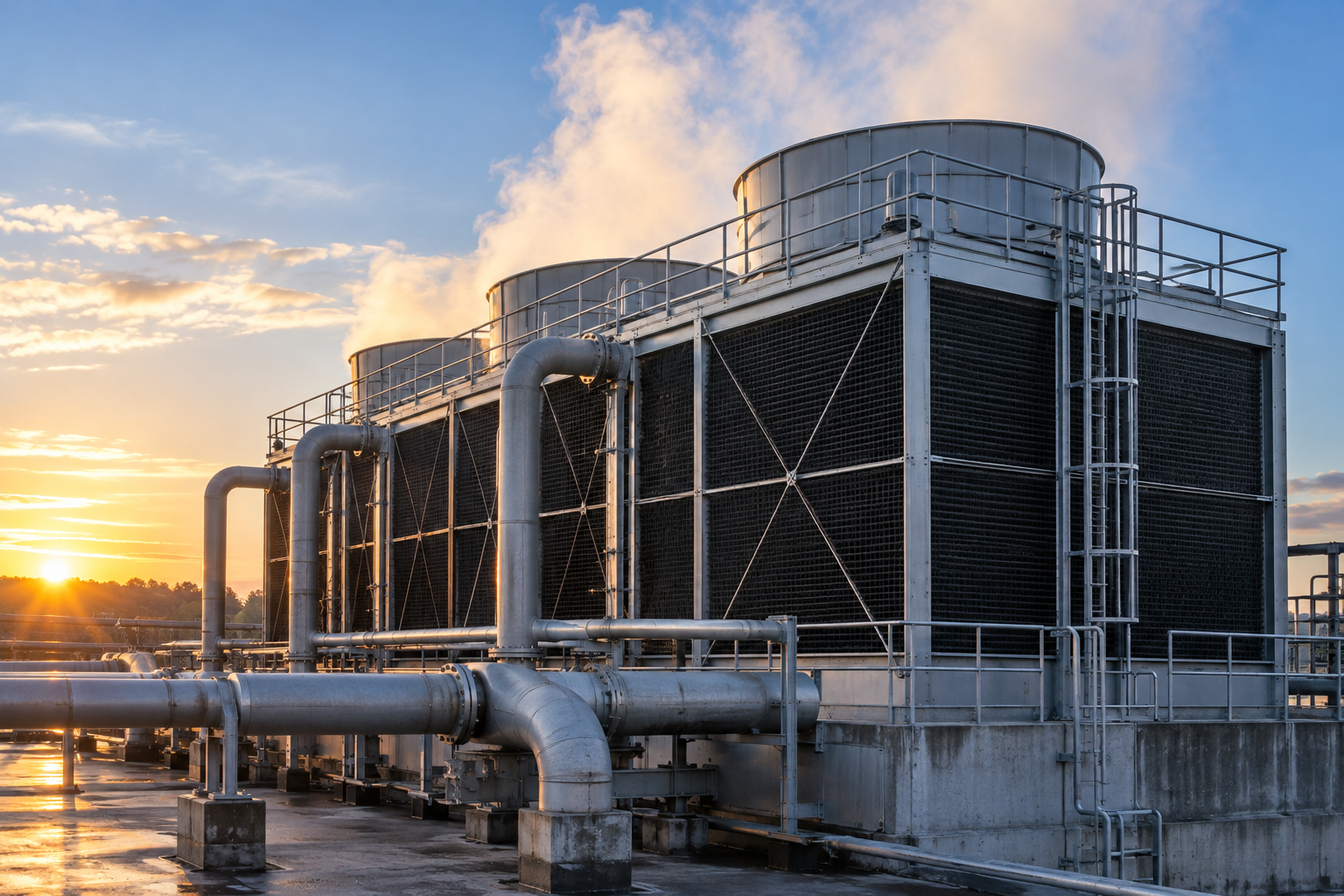
Filtration removes suspended solids. Dissolved contaminants and discharge limits need to be evaluated separately for your site and permit.
Centrifugal Sand Separator: solids with a specific gravity of 2 or greater, 98% down to 75 microns; manual or automatic purge
Sand Media: organic and inorganic suspended solids down to 20 microns; backwash runs one tank at a time
Multi Media: organic and inorganic suspended solids down to 5 microns; backwash starts automatically by elapsed time or pressure differential
At the Sanford Underground Research Facility in Lead, South Dakota, water levels rose in the former Homestake gold mine after its pumps were shut off, and dewatering had to come first to reach the planned lab depth. A Yardney Multi Media system with eight 54-inch vessels filters 2,000 gpm at 80 psi. Iron in the pumped water precipitates into 1-micron particles once it is oxygenated at the surface.
The system has been online since November 2009 and supports an effluent target below 1 NTU for environmental discharge.
Dewatering filtration removes sand, silt, and other suspended solids from water pumped out of excavations, mines, basements, or drainage systems before it is discharged, reused, or treated further.
It depends on the technology. Centrifugal separators remove 98% of solids with a specific gravity of 2 or greater down to 75 microns. Sand media filters remove organic and inorganic suspended solids down to 20 microns, and Multi Media filters down to 5 microns.
A centrifugal separator can serve as a pre-filter, improving the performance of sand media or screen filters downstream. Whether you need one depends on how much heavy sand and grit your water carries.
Discharge limits vary by permit and location. Filtration removes suspended solids, and whether that is enough depends on your permit, your water, and any dissolved contaminants. Yardney can review your site data.
Media filters backwash automatically, started by elapsed time or pressure differential, and multi-tank systems clean one tank at a time while the rest keep processing water. Separators discharge solids through a manual purge port or an automatic flush valve.