
Packing House Wash Water Filtration Systems

Packing house wash water filtration removes soil, organics, and debris from wash-down water so pumps and sprays keep running and cleaning stays consistent through heavy production.
Yardney centrifugal separators take out heavy soil and grit first, and sand media and multi media filters remove finer suspended solids.
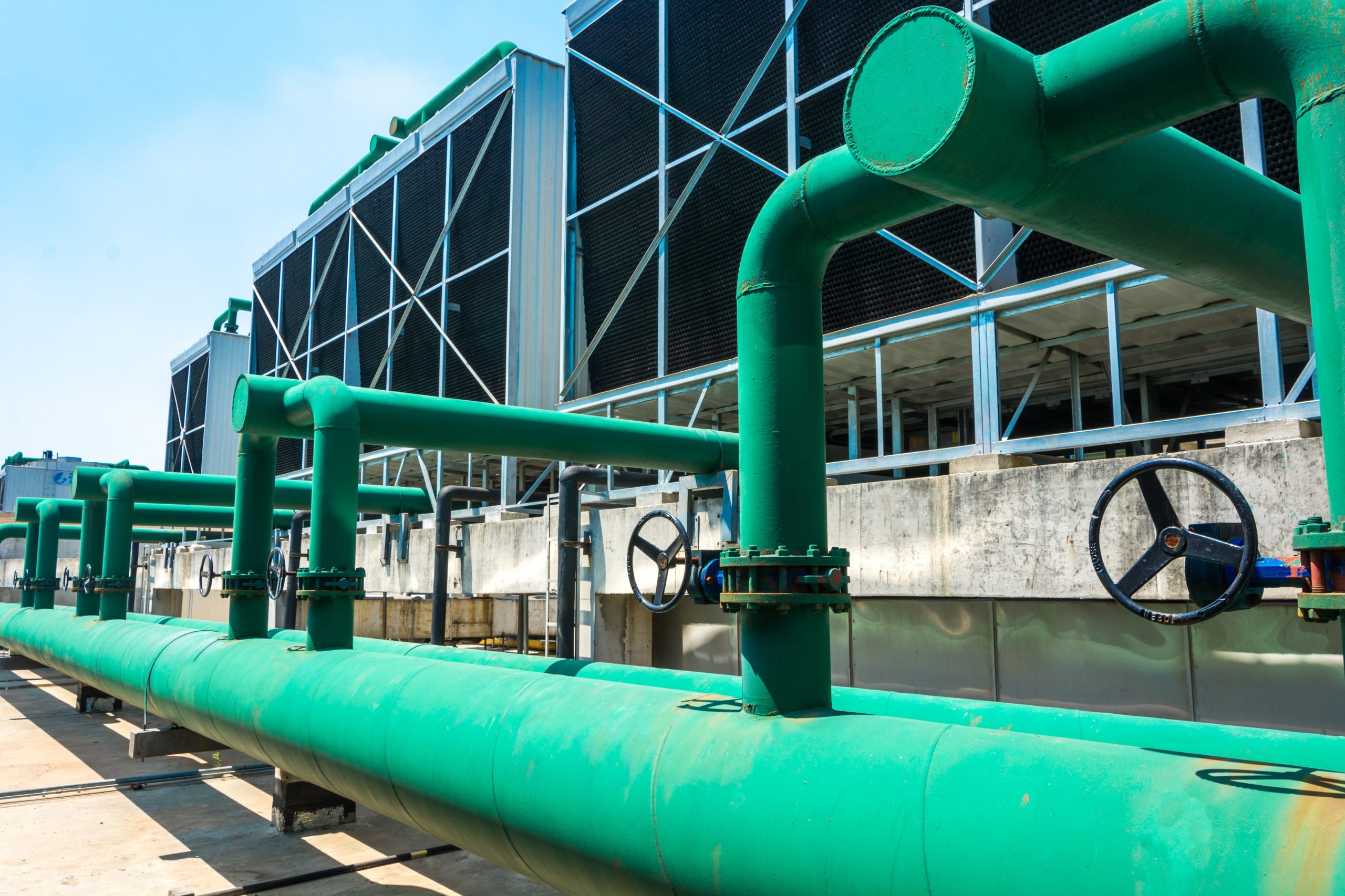
Packing house wash-down water often carries soil, organics, and debris that can overwhelm pumps, clog sprays, and reduce sanitation effectiveness. Recirculated wash water also accumulates substances from the surface of the produce, so the load builds the longer the water is reused.
Filtration removes suspended solids to stabilize wash quality, support reuse or recirculation goals, reduce maintenance interruptions, and help keep cleaning consistent during heavy production periods. Filtration is not disinfection, so sanitizer programs and food-safety controls still apply.
Protect Pumps and Sprays: Remove soil and debris that overwhelm pumps and clog spray nozzles.
Stabilize Wash Quality: Keep suspended solids from varying the water that reaches the line.
Support Reuse and Recirculation: Cleaner wash water gives reuse goals more to work with.
Reduce Maintenance Interruptions: Fewer clogs and less solids loading mean fewer stoppages.
Yardney Sand Media filters remove organic and inorganic suspended solids down to 20 microns, which covers both soil and organic debris. Systems ship complete on a skid, with tanks, valves, manifolds, controller, tubing, solenoids, and a removable underdrain.
A centrifugal sand separator can serve as a pre-filter, removing gross solids with a specific gravity of 2 or greater so the media filter works better. The right setup depends on your flow, how much soil your produce brings in, and your reuse goals.
Applications
Standard Assembly Includes (Sand Media systems)
Available Options

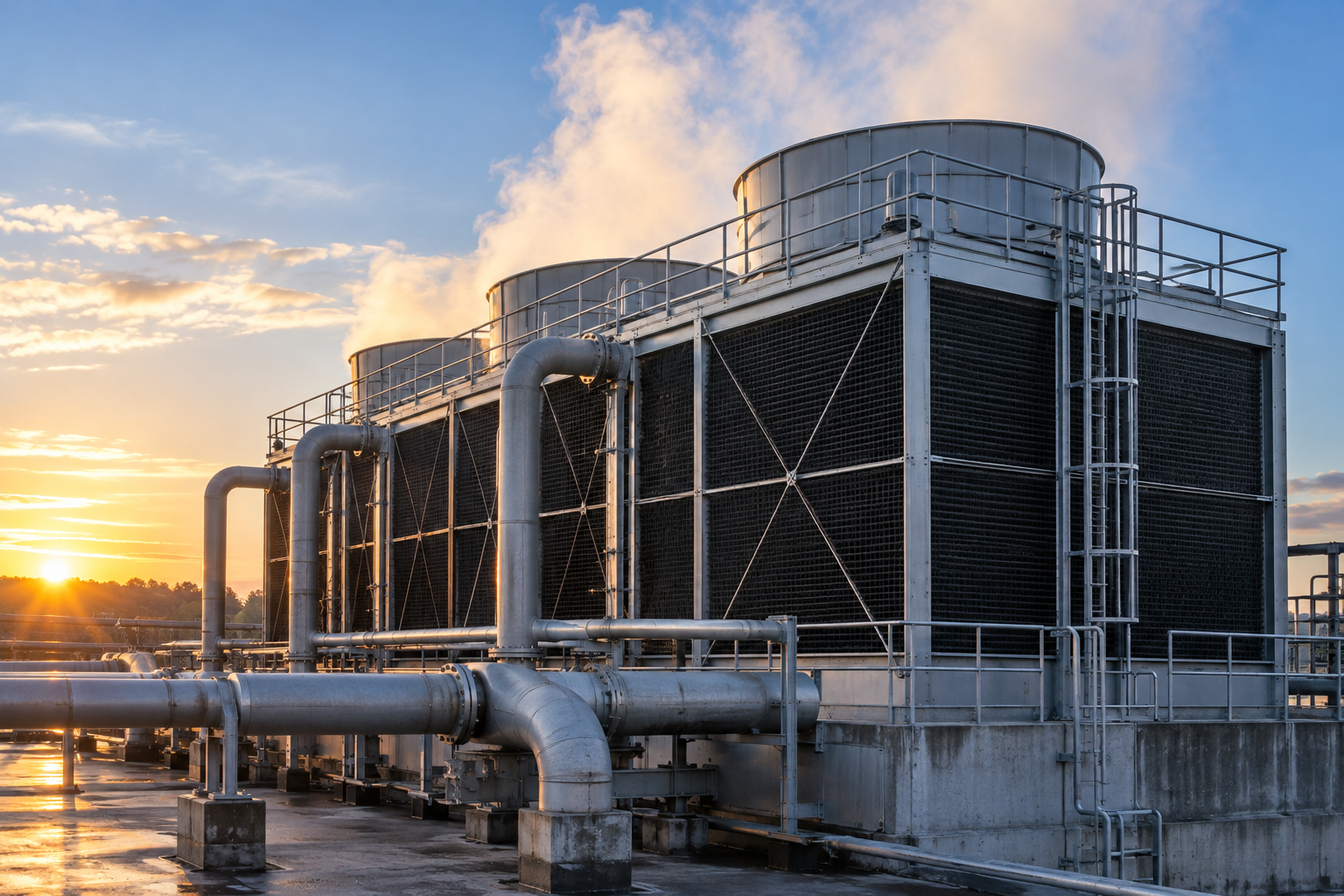
Filtration removes suspended solids. It does not disinfect wash water, so sanitizer programs and food-safety requirements still apply.
Centrifugal Sand Separator: solids with a specific gravity of 2 or greater, 98% down to 75 microns; manual or automatic purge; flows from 4 gpm
Sand Media: organic and inorganic suspended solids down to 20 microns; backwash runs one tank at a time
Multi Media: organic and inorganic suspended solids down to 5 microns; backwash starts automatically by elapsed time or pressure differential
Soil, organics, and debris overwhelm pumps, clog sprays, and reduce sanitation effectiveness. Removing suspended solids stabilizes wash quality and supports reuse and recirculation.
Suspended solids such as soil, grit, and organic debris. Separators remove heavy inorganic solids, and media filters remove finer organic and inorganic solids down to 20 or 5 microns.
No. Filtration takes out suspended solids and does not disinfect. Food-safety requirements are separate, and your sanitizer program and regulations still apply.
A separator can pre-filter heavy soil and grit and improve media filter performance. Whether you need one depends on how much soil your produce brings in.
Cleaner wash water supports reuse and recirculation goals. Allowed reuse depends on your food-safety program and regulations, so confirm requirements for your operation.