
Chromium 6 Water Treatment Systems for Municipal Water
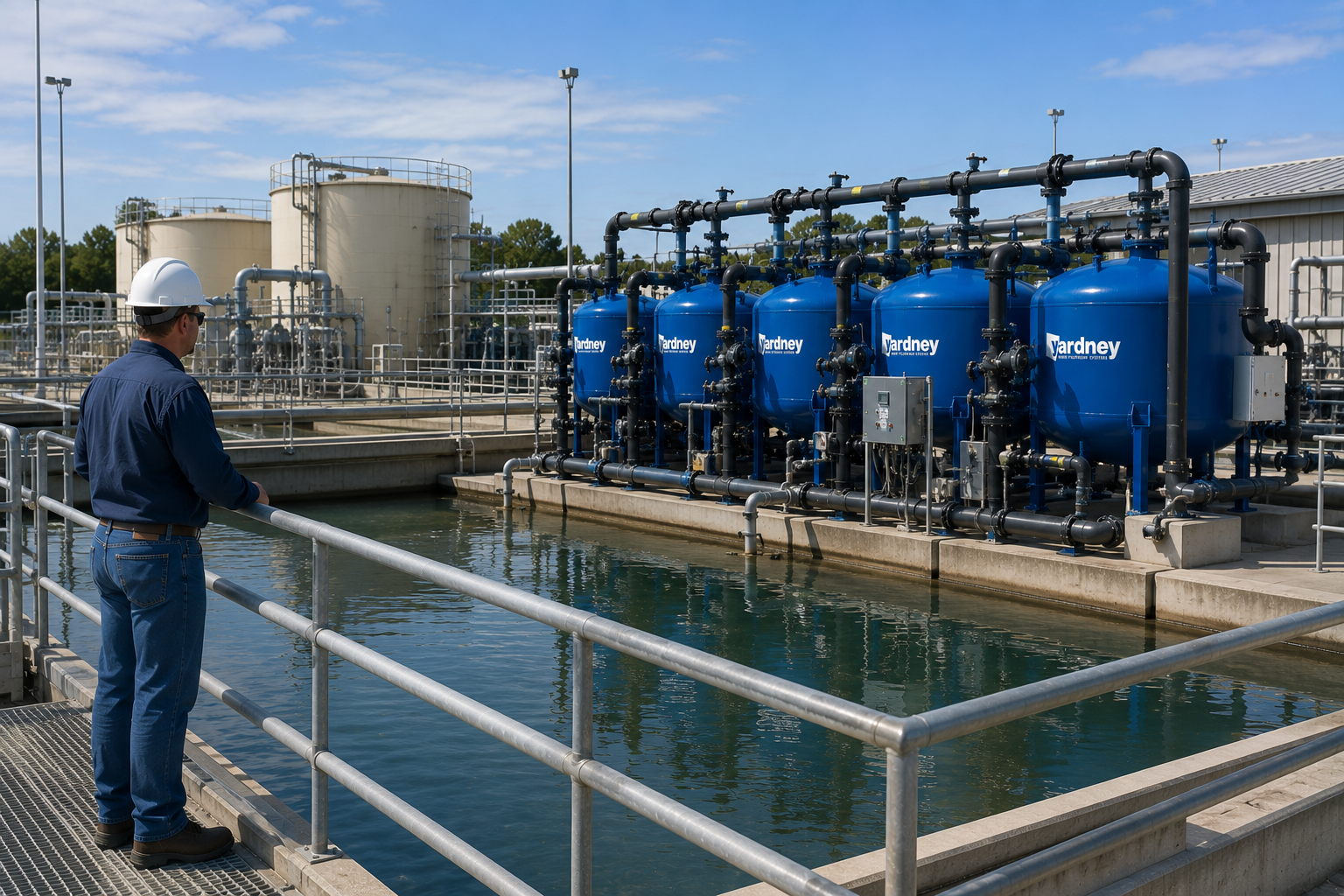
Chromium 6 (hexavalent chromium) treatment for municipal water relies on ion exchange, reduction with coagulation and filtration, or reverse osmosis, with dependable pretreatment protecting each.
Yardney Free Flow systems can run IX resin, and YWFS-H-HM specialty media is listed for chromium.

Hexavalent chromium treatment demands consistent process control and dependable pretreatment to support compliance and protect downstream treatment steps. Suspended solids can foul or interfere with specialized treatment systems.
California State Water Board staff describe three treatment options: reduction, coagulation, and filtration; strong base ion exchange; and reverse osmosis. In reduction-coagulation-filtration, filtration removes the precipitate that forms after chromium 6 is converted.
Protect Treatment Steps: Remove solids that foul or interfere with specialized systems.
Dependable Results: Maintain steadier results as influent quality changes.
Choice of Media: IX resin or specialty media, tailored to the water.
Support Compliance: Consistent process control supports municipal compliance programs.
Yardney Free Flow systems list chromium 6 among their applications and can be configured with IX resin, GAC, or a dual media design. Specialty media YWFS-H-HM is listed for chromium, copper, nickel, lead, and thallium.
Each system is tailored to the site and scaled to the flow, with a standard operating pressure of 125 psi. For IX resin, Yardney lists typical beds at 3 to 5 feet with a 1.5 to 3 minute empty bed contact time, and vessels can be piped lead/lag, lag/lead, parallel, or series.
Applications
Design Features (Free Flow systems)
Available Options
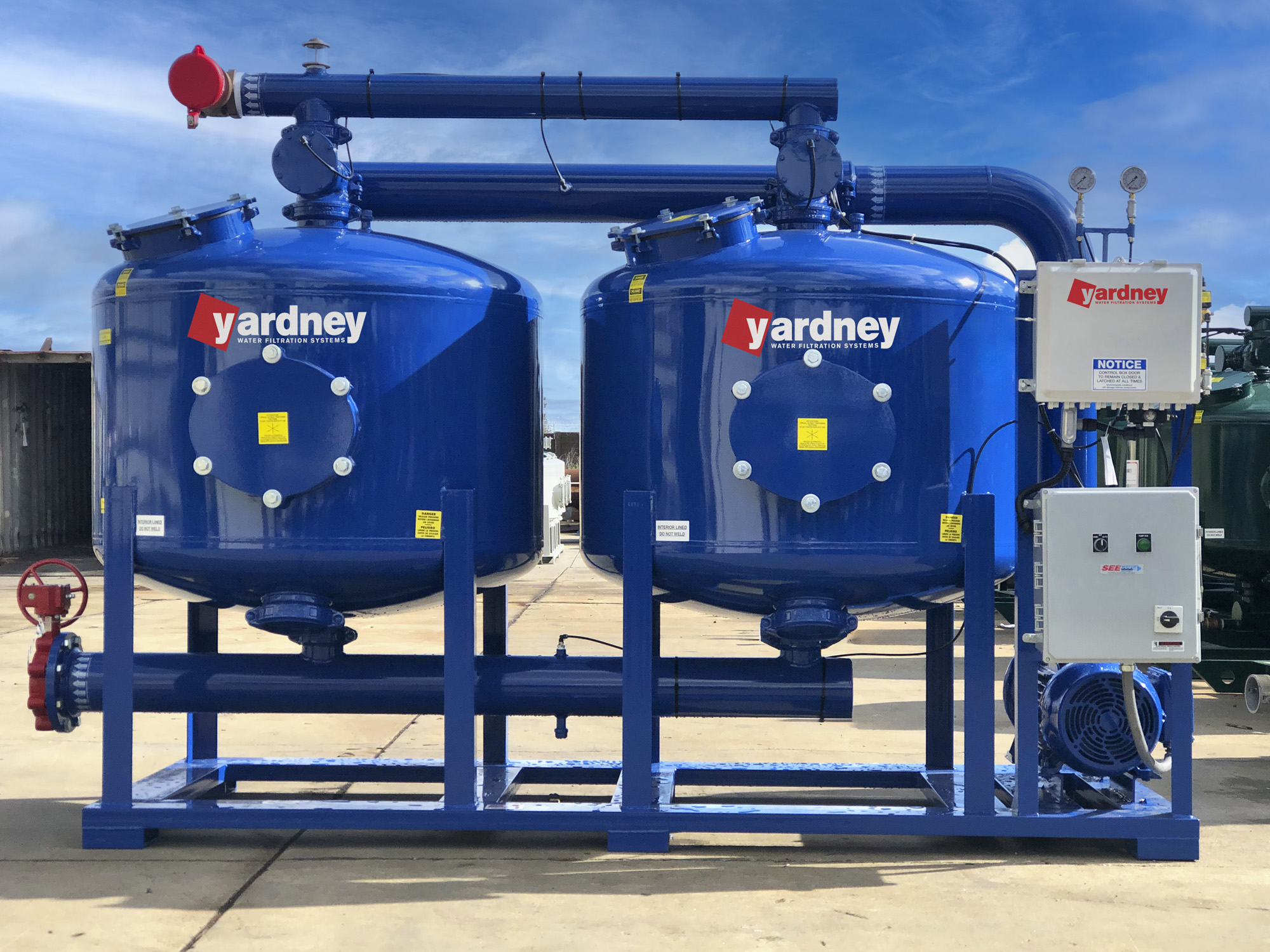

Sulfate levels, pH, and the chromium form affect results, so media and sizing are set from site water data.
Free Flow PFAS: IX resin, GAC, or dual media; lists chromium 6 among its applications; 125 psi standard
Specialty Medias: YWFS-H-HM listed for chromium, copper, nickel, lead, and thallium; supplied in systems or as replacement media
Multi Media: organic and inorganic suspended solids down to 5 microns; automatic backwash by elapsed time or pressure differential
It is treatment that removes hexavalent chromium from drinking water. Main methods are ion exchange, reduction with coagulation and filtration, and reverse osmosis.
Strong base resins capture hexavalent chromium as water passes through. Sulfate levels can reduce effectiveness, so water testing guides the design.
Filtration removes the solids that foul specialized systems. In reduction-coagulation-filtration, it also removes the chromium precipitate.
Yardney lists YWFS-H-HM specialty media for chromium, copper, nickel, lead, and thallium, and Free Flow systems list chromium 6 among their applications.
Free Flow systems are tailored to each site and scaled to the flow, with high-pressure configurations on request. Share your flow and water data to start.