Brewery & Distillery Water Filtration Systems
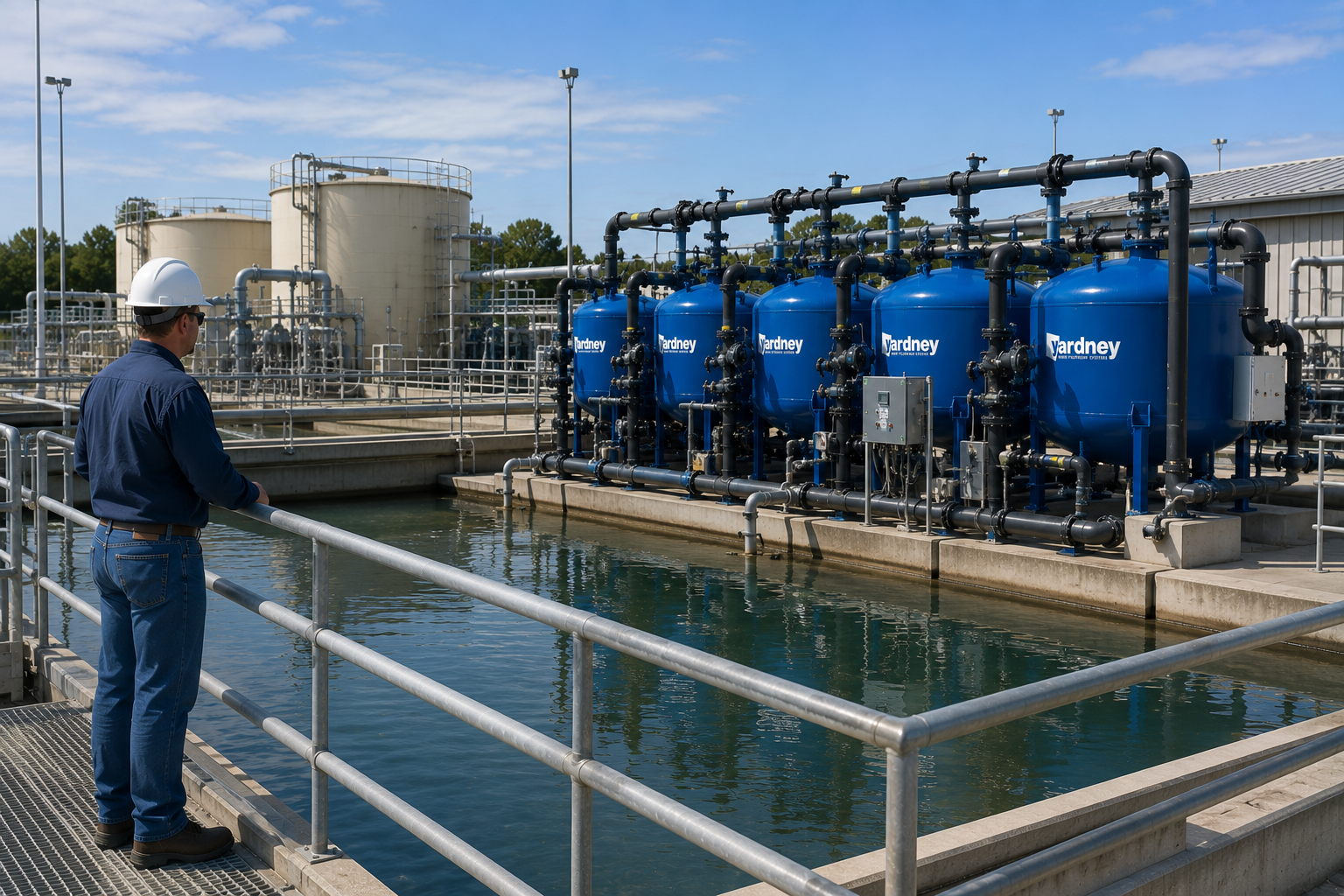
Brewery and distillery water filtration removes particulates and nuisance contaminants from incoming and process water so equipment runs cleanly and downstream treatment can protect quality.
Yardney media filters remove suspended solids, and Yardney granular activated carbon systems target chlorine, taste, and odor.
Breweries and distilleries depend on consistent water quality for product taste, process stability, and equipment performance. Particulates and nuisance contaminants in incoming and process water contribute to fouling, spray issues, and inconsistent operation.
Filtration removes those particulates, which supports cleaner incoming and process water and protects the downstream treatment stages used for quality and process control. Carbon filtration then targets chlorine, taste, and odor.
Reduce Fouling: Remove particulates that foul equipment and spray systems.
Support Process Stability: Keep incoming and process water more consistent.
Protect Downstream Treatment: Stabilize the stream ahead of the stages used for quality and process control.
Support Product Taste: Carbon filtration targets chlorine, taste, and odor.
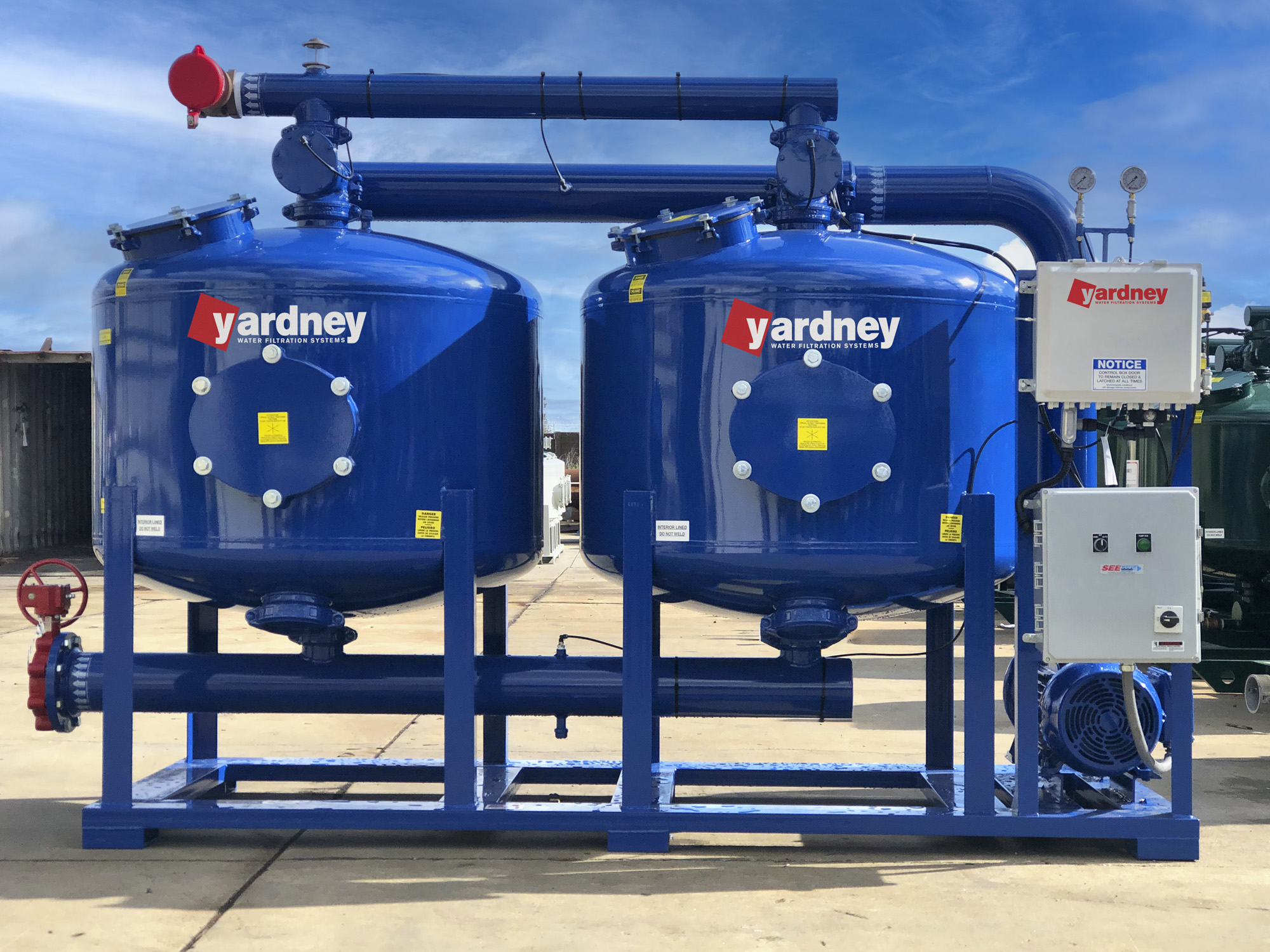
Yardney Sand Media filters remove organic and inorganic suspended solids down to 20 microns and are used as pre-filtration ahead of granular activated carbon, reverse osmosis, cartridge or bag filtration, and deionized water. Systems arrive skid mounted, ready for water and power hookup.
Yardney Granular Activated Carbon systems then remove chlorine and chlorine-related compounds, organic chemicals, tastes and odors, and other highly dispersed contaminants. GAC systems use a 72-inch side shell, start at 5 gpm, and backwash automatically.
Applications
Standard Assembly Includes (GAC systems)
Available Options
Filtration and carbon do not adjust mineral content, and they do not replace any water treatment your recipe requires.
Sand Media: organic and inorganic suspended solids down to 20 microns; from 10 gpm; backwash runs one tank at a time
Multi Media: organic and inorganic suspended solids down to 5 microns; backwash starts automatically by elapsed time or pressure differential
Granular Activated Carbon: removes chlorine, organic chemicals, tastes, and odors; 72-inch side shell; flows from 5 gpm
Consistent water supports taste, process stability, and equipment performance. Filtration removes particulates that cause fouling and inconsistent operation.
Media filters capture suspended solids. Granular activated carbon removes dissolved compounds such as chlorine, organic chemicals, tastes, and odors that standard multi-media filtration is too coarse to capture.
Sand Media and Multi Media filters remove suspended solids down to 20 and 5 microns, and Granular Activated Carbon systems target chlorine, taste, and odor. Share your water data and Yardney can recommend a match.
It depends on your water and your recipe. Media and carbon filtration protect downstream stages such as reverse osmosis, which handles dissolved minerals. Yardney can review your water data.
Yardney media filters start at 10 gpm and GAC systems at 5 gpm, sized to your production.