
Boiler feed systems require clean water to reduce scaling, fouling, and corrosion that lower heat transfer efficiency and increase maintenance costs. Filtration helps remove suspended solids before chemical conditioning and feedwater treatment stages, protecting downstream equipment, improving reliability, and supporting more stable boiler operation and longer service life.
Car wash operations rely on consistent flow and clean water to protect pumps, spray nozzles, and reclaim systems from grit, sand, and debris. Filtration supports clearer wash quality, reduces nozzle plugging and equipment wear, and improves reuse performance by removing suspended solids early—helping operators reduce water consumption and keep systems running smoothly during peak demand.
Commercial kitchens
Commercial kitchens generate water streams that can carry food particles, grease-related debris, and suspended solids that stress drains, pretreatment, and reuse setups. Filtration helps remove particulate load upstream to protect downstream treatment components, improve system uptime, and support more dependable performance in wash-down and facility water management.
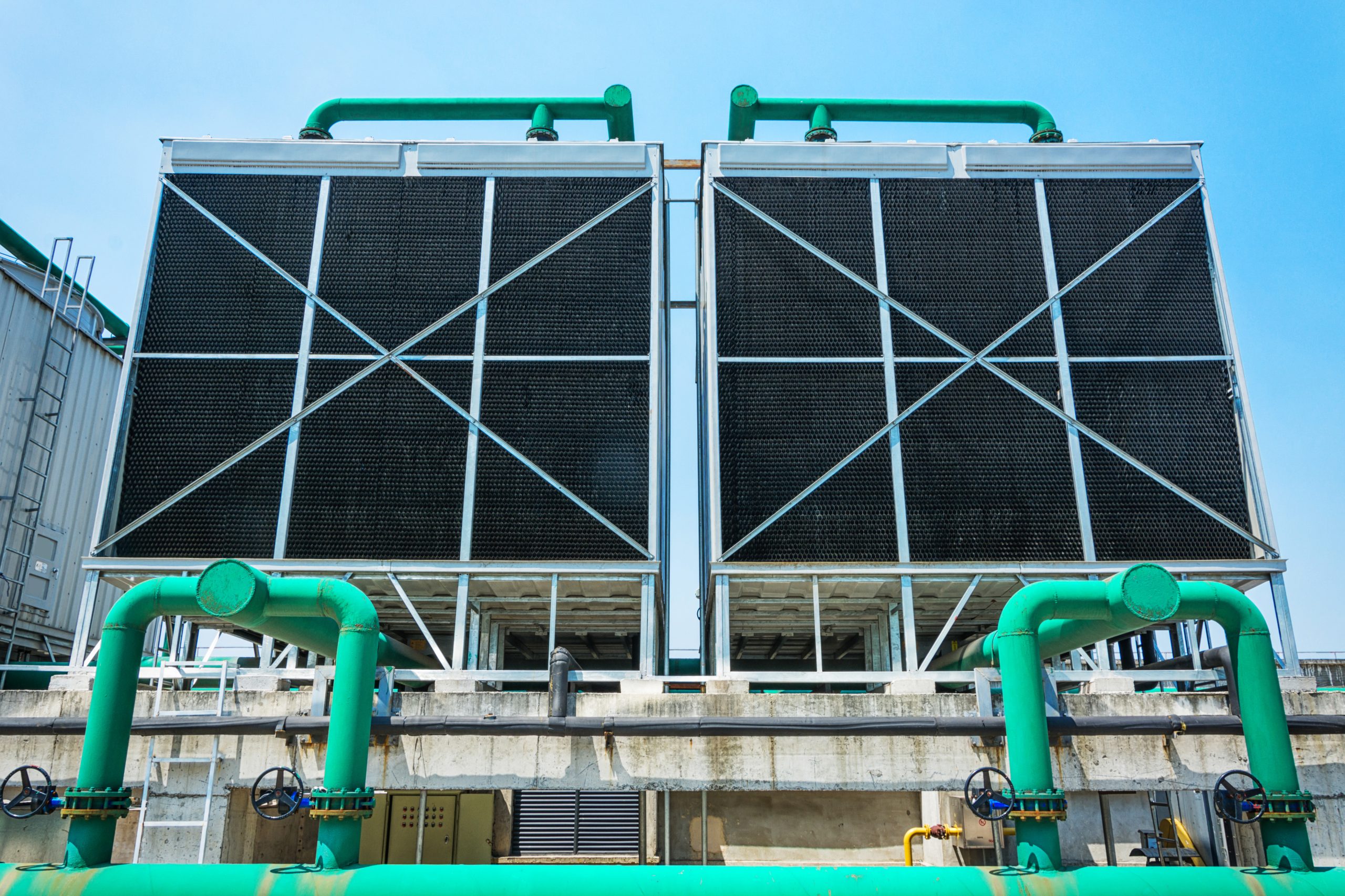
Commercial cooling towers in hotels, buildings, and campuses accumulate solids and biological material that can foul heat exchangers and increase maintenance. Basin filtration removes suspended solids before they circulate, supporting better heat transfer, fewer cleaning events, and more efficient operation while helping protect condensers and critical HVAC components.
Commercial dewatering—construction sites, basements, utilities, and property drainage—often includes high sediment loads that can clog pumps and create discharge issues. Filtration supports cleaner discharge and better reuse potential by removing suspended solids, reducing wear on equipment, and improving reliability when inflow conditions change rapidly due to weather or site activity.
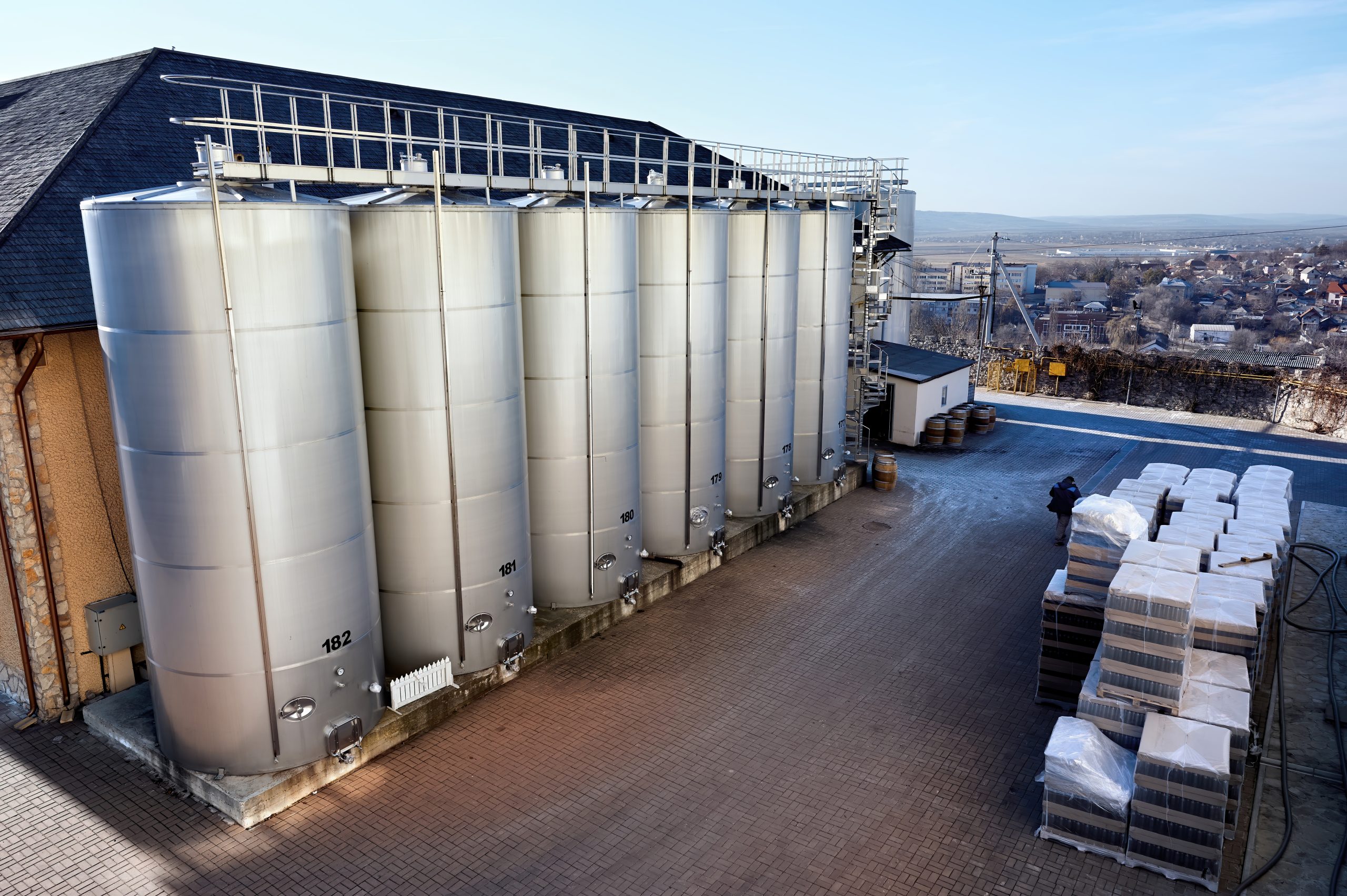
Breweries and distilleries depend on consistent water quality for product taste, process stability, and equipment performance. Filtration supports cleaner incoming and process water by removing particulates and nuisance contaminants that contribute to fouling, spray issues, and inconsistent operation, while improving protection for downstream treatment stages used for quality and process control.
Packing house wash-down water often carries soil, organics, and debris that can overwhelm pumps, clog sprays, and reduce sanitation effectiveness. Filtration removes suspended solids to stabilize wash quality, support reuse or recirculation goals, reduce maintenance interruptions, and help facilities maintain consistent cleaning performance during heavy production periods.

Commercial intake water may vary in turbidity, sediment, and biological content depending on supply source and season. Intake filtration removes suspended solids before water enters critical building and process systems, protecting equipment, supporting stable downstream treatment performance, and reducing service issues tied to fluctuating incoming water conditions.
Hotels use water across HVAC, laundry, kitchens, and facility operations where solids and debris can reduce efficiency and increase maintenance. Filtration protects cooling systems, improves operational reliability, and supports water quality consistency in high-usage environments—reducing downtime and helping building teams maintain comfortable, dependable service.
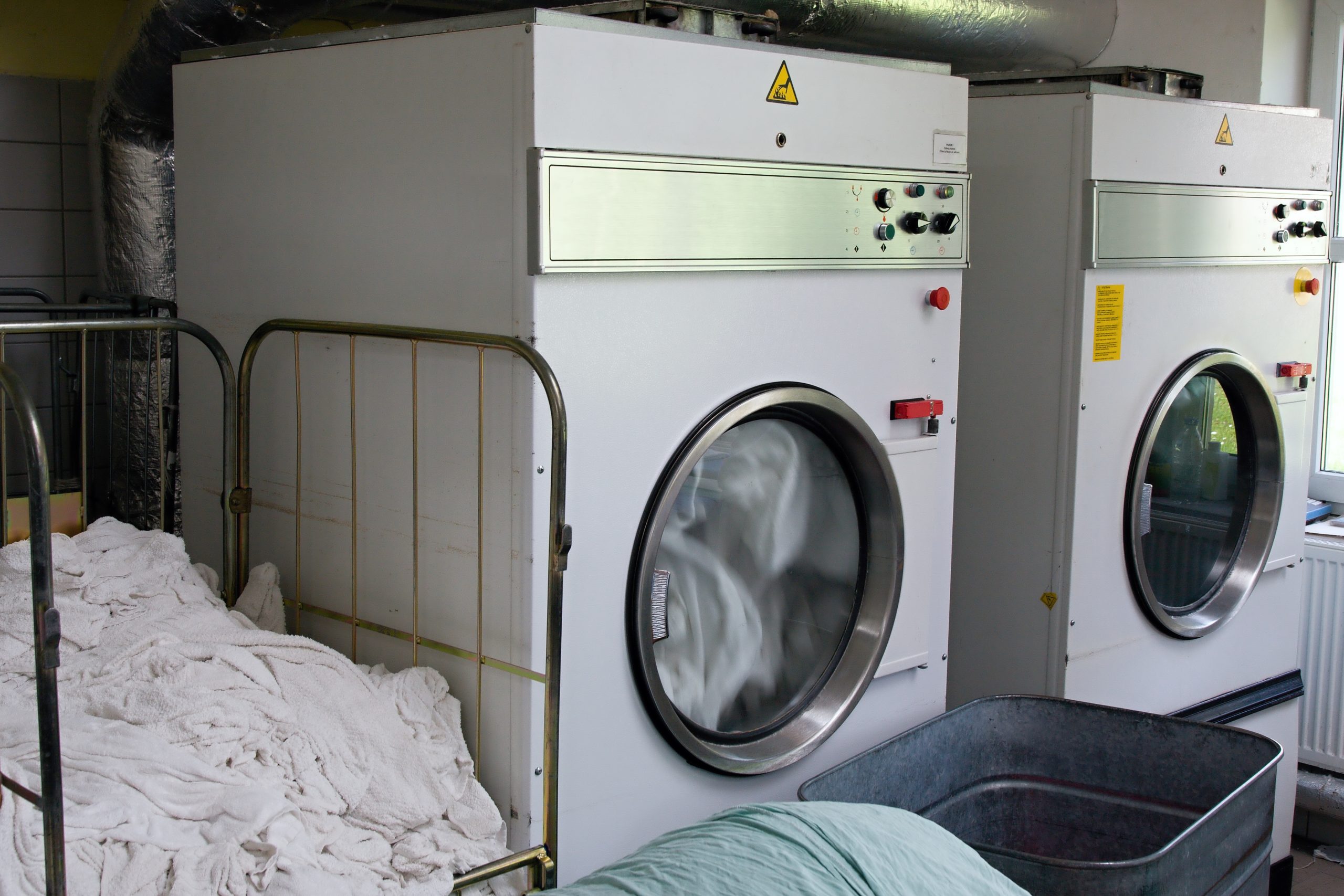
Commercial laundromats and on-premise laundries can benefit from filtration where rinse water reuse, quality improvement, and discharge requirements matter. Removing suspended solids helps protect pumps and piping, improve reuse loop performance, reduce equipment wear, and support more consistent water quality for efficient washing operations.
Manufacturing
Commercial manufacturing environments often require filtration for incoming water, wash processes, cooling loops, and reuse systems where particulate contamination causes plugging and equipment degradation. Filtration improves reliability by controlling suspended solids, protecting pumps and nozzles, reducing downtime, and supporting stable performance across varying production loads.

Pharmaceutical and high-purity environments require strong control of particulates to protect process integrity and sensitive downstream treatment. Filtration supports cleaner feedwater and process streams by removing suspended solids that can foul membranes, disrupt UV performance, or create quality variability—helping facilities maintain stability, compliance, and predictable operation.
RO systems in commercial settings perform best when pre-filtration removes suspended solids that cause membrane fouling and increased operating pressure. Proper filtration supports longer membrane life, fewer cleanings, and more reliable permeate quality—particularly for variable feedwater sources or high-demand operating schedules.
Commercial ion exchange systems need protection from suspended solids that can foul resin, increase pressure drop, and reduce treatment performance. Pre-filtration helps extend resin life, reduce maintenance events, and maintain consistent output quality—especially when incoming water quality changes or reuse streams are introduced.
UV treatment relies on water clarity; turbidity and suspended solids reduce effectiveness by blocking UV transmission. Filtration ahead of UV improves transmittance and disinfection consistency, helping commercial systems operate more efficiently and deliver more predictable results for reuse, process, and compliance-related applications.
Commercial membrane systems require solids control to maintain flux, prevent rapid fouling, and reduce cleaning cycles. Upstream filtration removes particulates that shorten membrane life and degrade performance, helping deliver more stable operation for applications such as reuse, process conditioning, and specialized water quality targets.
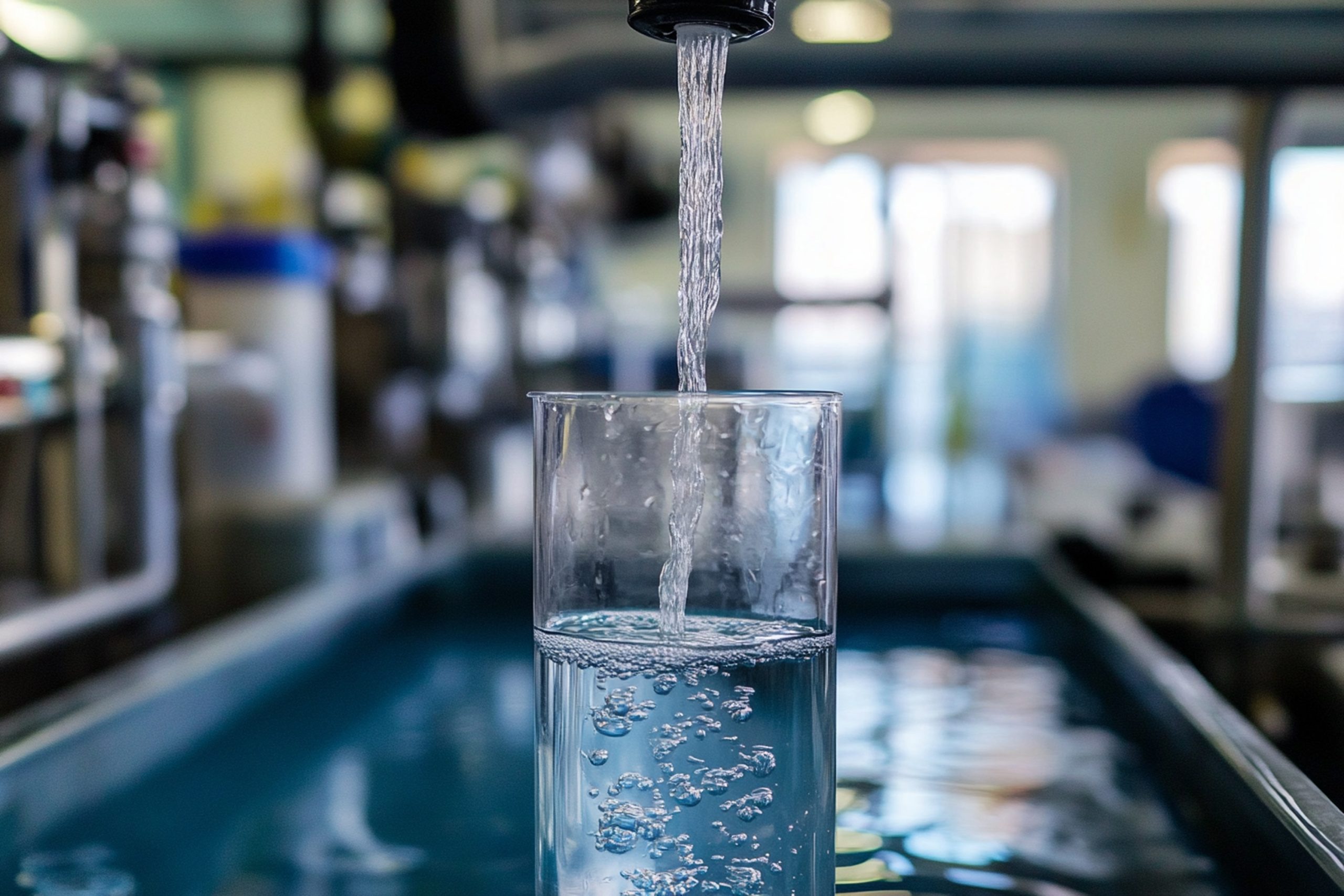
Commercial process water quality impacts equipment reliability, product consistency, and overall uptime. Filtration removes suspended solids that cause nozzle plugging, abrasion, and downstream variability, supporting stable performance across wash systems, recirculation loops, cooling-related processes, and facility operations.
Wastewater
Commercial wastewater often requires solids removal to improve downstream treatment, reduce maintenance, and support compliance goals. Filtration stabilizes the stream by removing debris and suspended solids that cause plugging and wear, supporting more reliable operation across variable flow and load conditions.
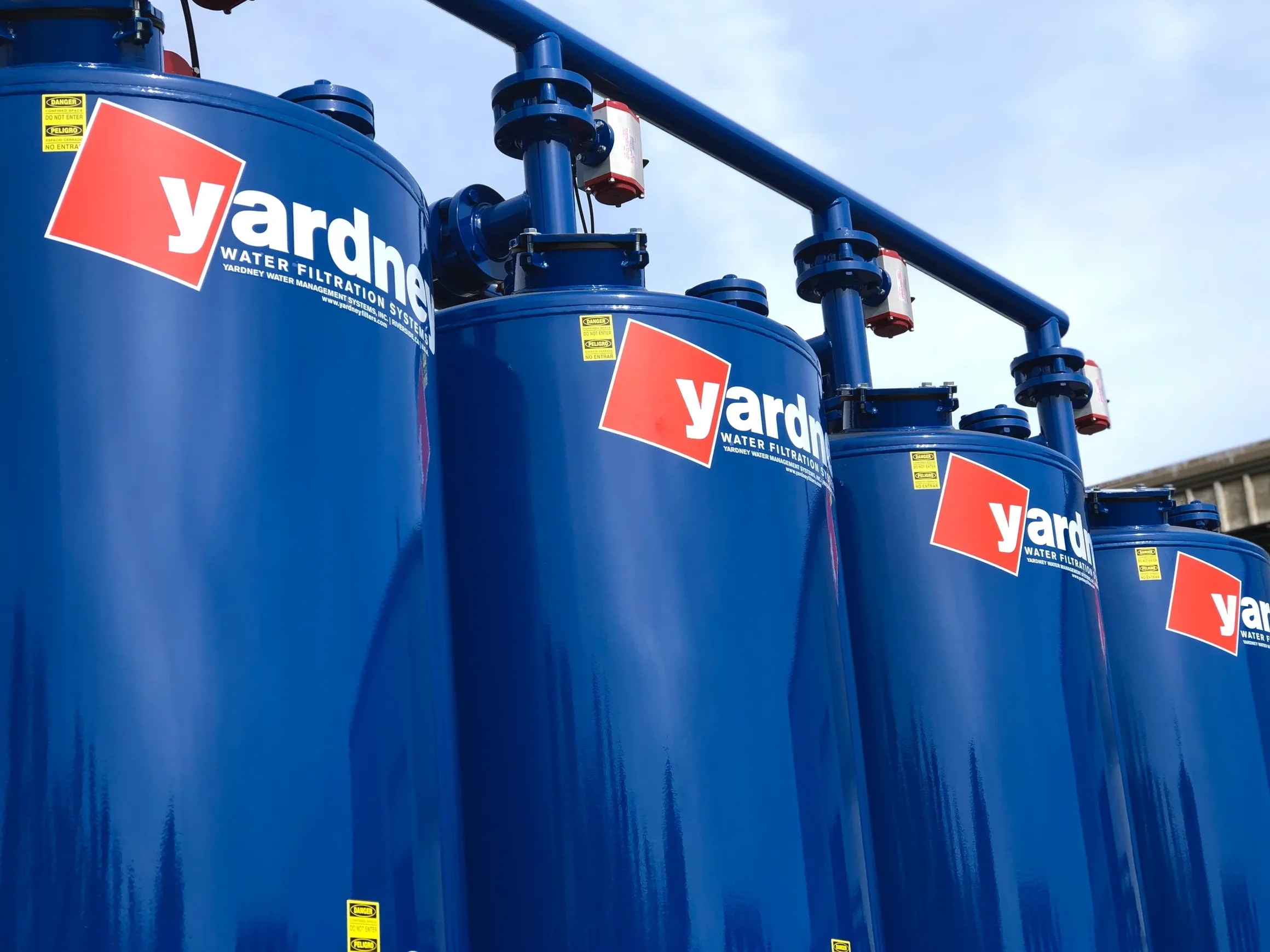
If your commercial application isn’t listed, the right filtration solution can still be selected by focusing on source water, solids type, required flow, and downstream equipment protection needs. Systems can be configured for pretreatment, reclaim support, process conditioning, or compliance targets so you get dependable results without forcing a “one-size-fits-all” approach.