Water Intake Filtration Systems

Water intake filtration removes debris, sediment, and algae from river, lake, pond, well, or supply water before it enters pumps, plant systems, or building equipment.
Yardney pump suction screens stop larger debris at the intake, and screen and media filters remove finer solids downstream.
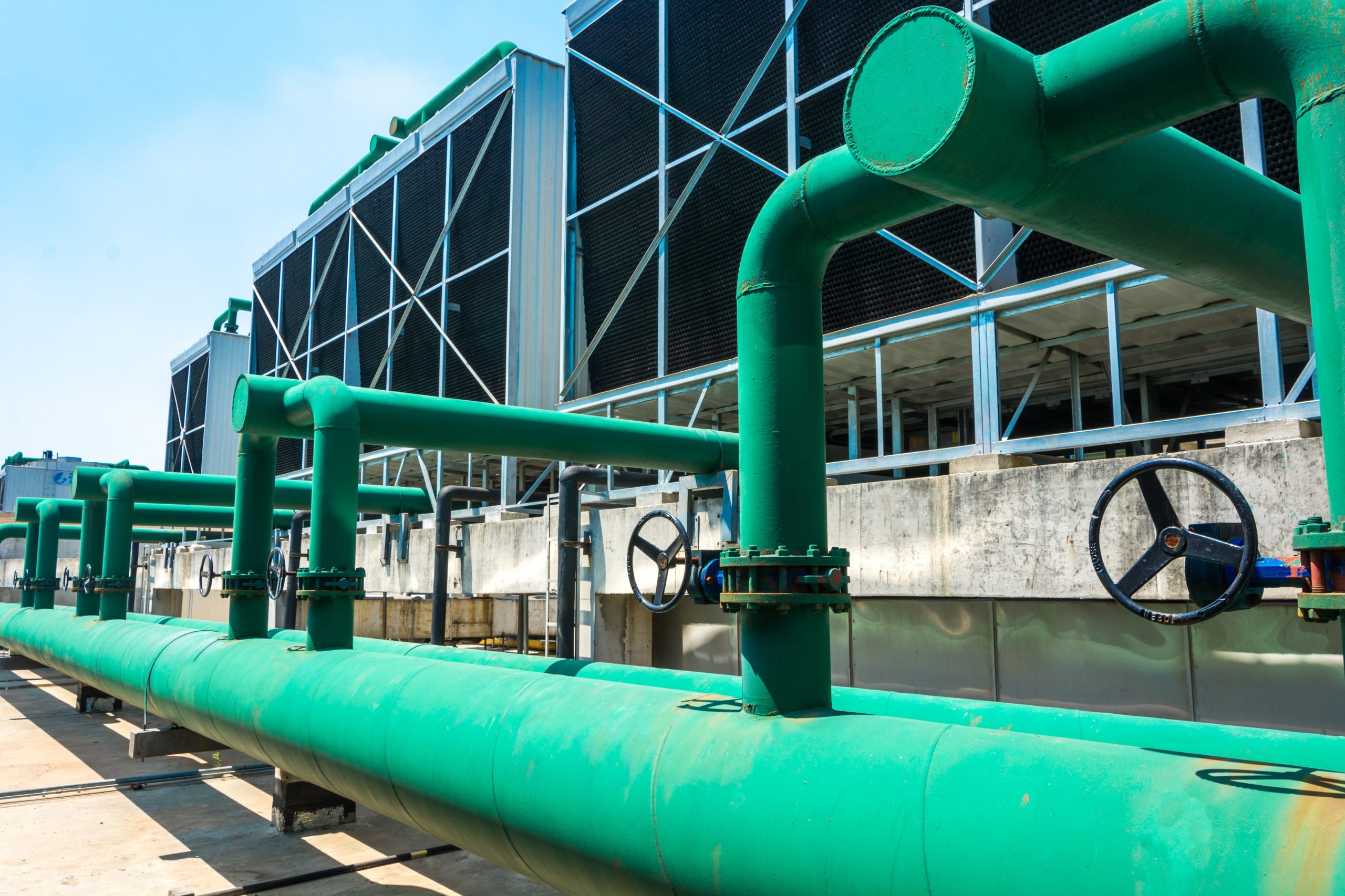
Intake sources such as rivers, lakes, wells, and municipal feeds can swing in solids content, algae, and debris with the season and operating conditions. Without screening or filtration, those solids reach pumps, heat exchangers, and treatment equipment.
Screening is the first step at an intake: it keeps large debris out of pumps and piping so later stages run smoothly. Fine filtration downstream then removes the remaining particulates, which protects pumps and treatment, reduces fouling, and gives industrial processes and cooling more stable water quality.
Protect Pumps: Keep trash and debris out of pump intake piping.
Reduce Fouling: Remove particulates before they reach plant systems and heat transfer equipment.
Stabilize Incoming Water: Smooth out seasonal swings in solids and algae.
Support Downstream Treatment: A cleaner stream keeps primary filtration and treatment working as designed.
Yardney Pump Suction Screens filter larger contaminants on the intake piping so pumps and primary filtration units run without clogging. They can be used with virtually any water source, including ponds, streams, canals, rivers, pits, and sumps, in industrial as well as agricultural and turf applications.
The self-cleaning design uses internally rotating spray bars to blast debris off a stainless steel screen drum, with no exterior moving parts to foul. Flows start at 325 gpm. The 10 mesh screen targets larger debris, so finer solids are handled by screen or media filters downstream.
Applications
Standard Assembly Includes
Available Options

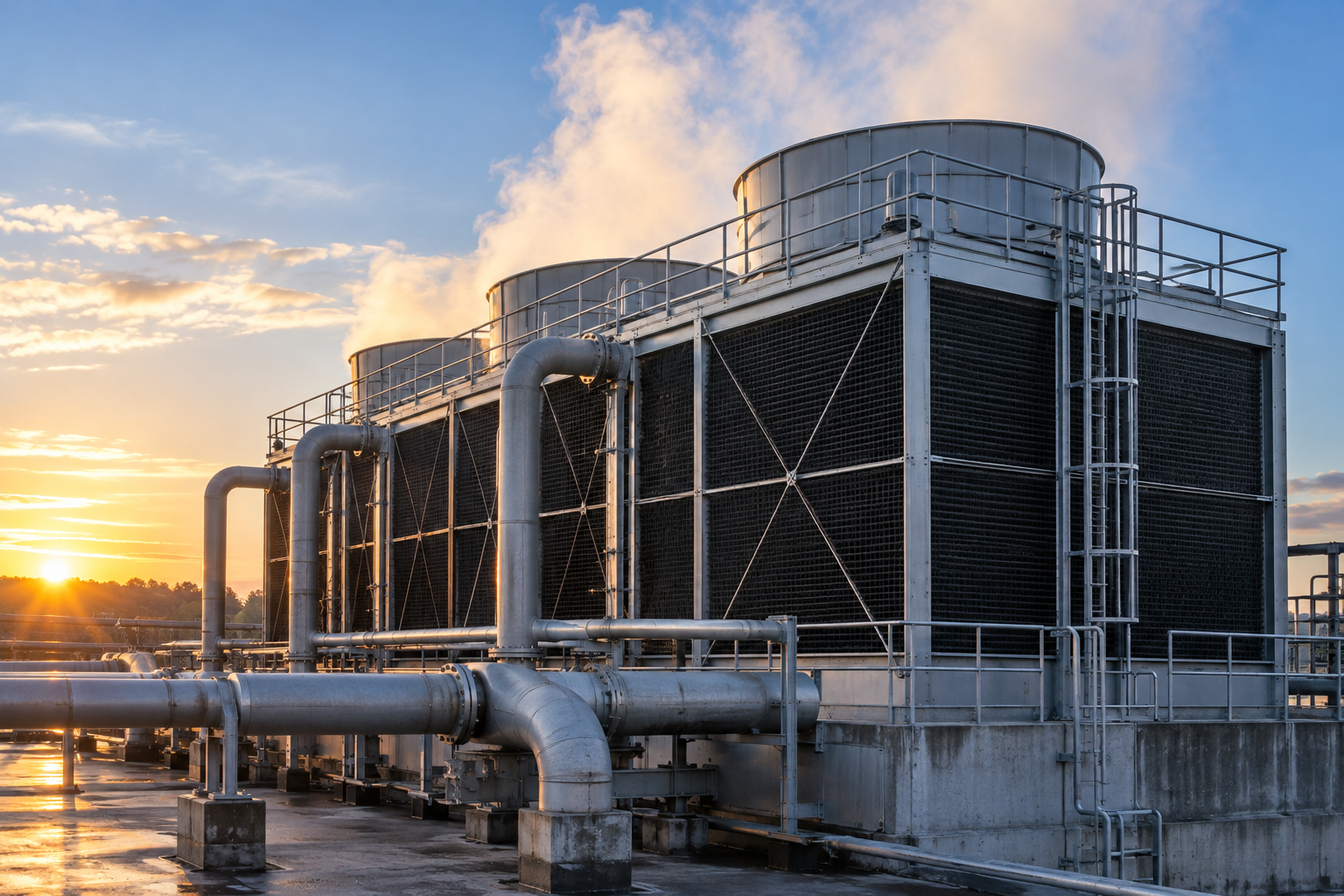
Screens and filters remove solids and debris. Dissolved minerals, water chemistry, and disinfection needs are handled by separate treatment.
Pump Suction Screen: stops larger debris at the intake; 10 mesh stainless steel screen; self-cleaning; flows from 325 gpm
Maxi Flush Screen: down to 75 microns, suited to surface water with high algae content; flows from 250 gpm; automatic backwash
Sand Media: organic and inorganic suspended solids down to 20 microns; flows from 10 gpm; backwash runs one tank at a time
It screens and filters source water such as river, lake, well, or supply water before it enters pumps and plant systems, so debris, sediment, and algae do not reach equipment.
Screening is the first treatment step. Keeping large debris out of the pump and piping lets pumps and downstream filters run without clogging.
Often, yes. The 10 mesh screen targets larger debris, so finer solids usually need a screen or media filter downstream. Yardney can review your water source and flow.
Yardney Pump Suction Screens start at 325 gpm. For smaller flows, Yardney media filters start at 10 gpm and centrifugal sand separators at 4 gpm.
No. Screens and filters remove solids and debris. Dissolved minerals and water chemistry need separate treatment.