
Turf Irrigation Water Filtration Systems

Turf irrigation filtration removes suspended solids and biological matter from irrigation water so nozzles and valves stay clear and large turf areas get even coverage through peak watering cycles.
Yardney Spin Flow screens use vortex action to separate heavy particles, and Maxi-Flush screens backwash automatically for high-rate service.
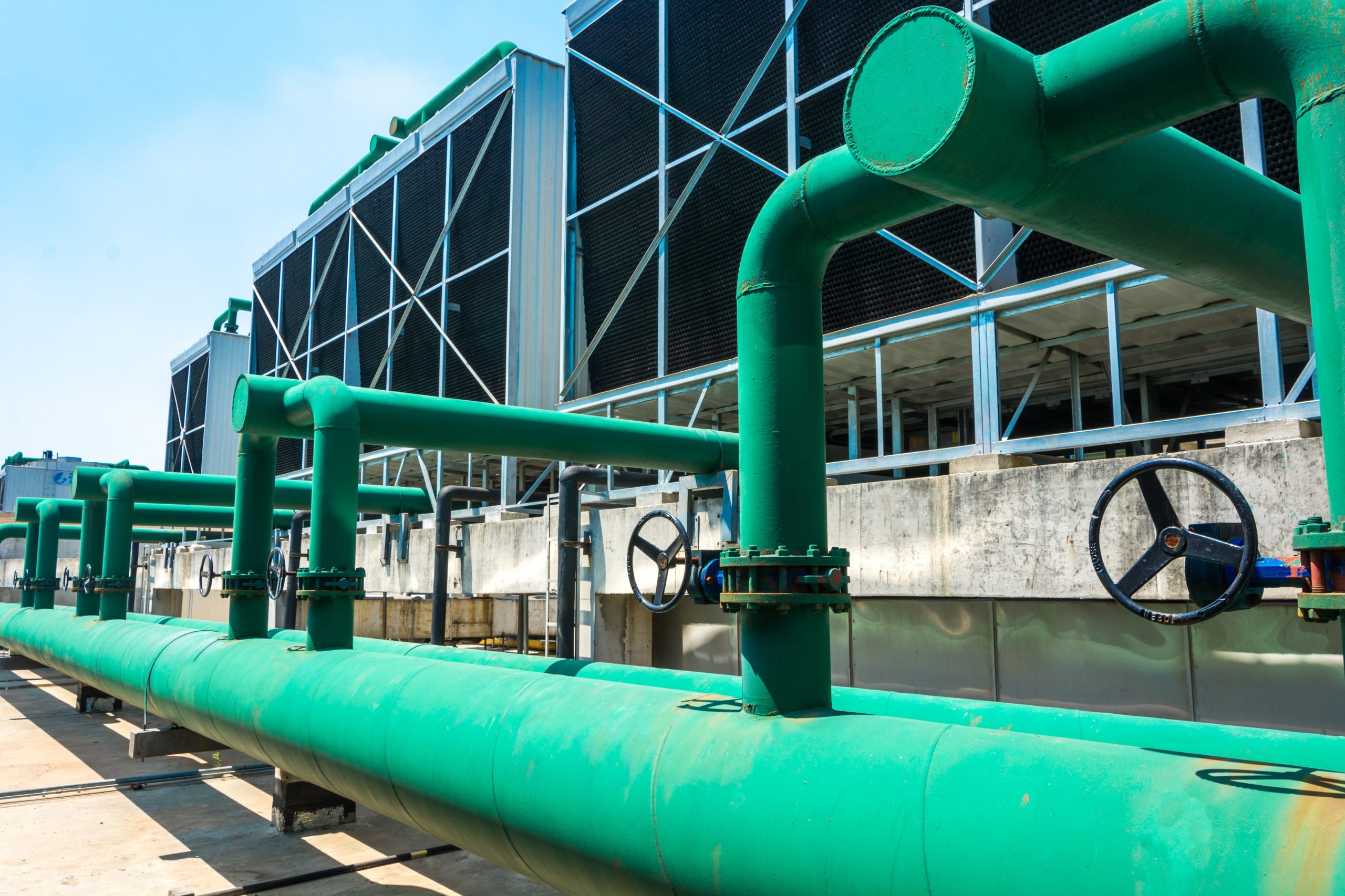
Turf irrigation for sports fields, parks, and large turf areas requires dependable flow, consistent coverage, and protection against nozzle and valve fouling. Filtration removes suspended solids and biological matter that contribute to plugging and uneven distribution.
Surface and stored water often carry algae and plant debris. University of Nebraska extension recommends sand media filters for biological and organic material and screens for sand, with a separator ahead of either when the source carries heavy particles.
Healthier Turf: Even distribution supports better turf quality.
Fewer Interruptions: Reduce plugging stops during irrigation cycles.
Predictable Performance: Keep systems steady during peak watering.
Protected Valves and Nozzles: Reduce fouling at control points.
Yardney Spin Flow screen filters combine vortex action with a woven mesh screen. Water enters the housing tangentially, which separates heavy particles from the fine mesh cartridge and reduces how often the cartridge needs cleaning.
Spin Flow filters remove sand, rock, grit, and other inorganic particles down to 200 mesh or 75 microns, start at 125 gpm, and run at 120 psi. For algae-heavy surface water, Maxi-Flush screens from 250 gpm and sand media filters handle the organic load.
Applications
Standard Assembly Includes (Spin Flow)
Available Options

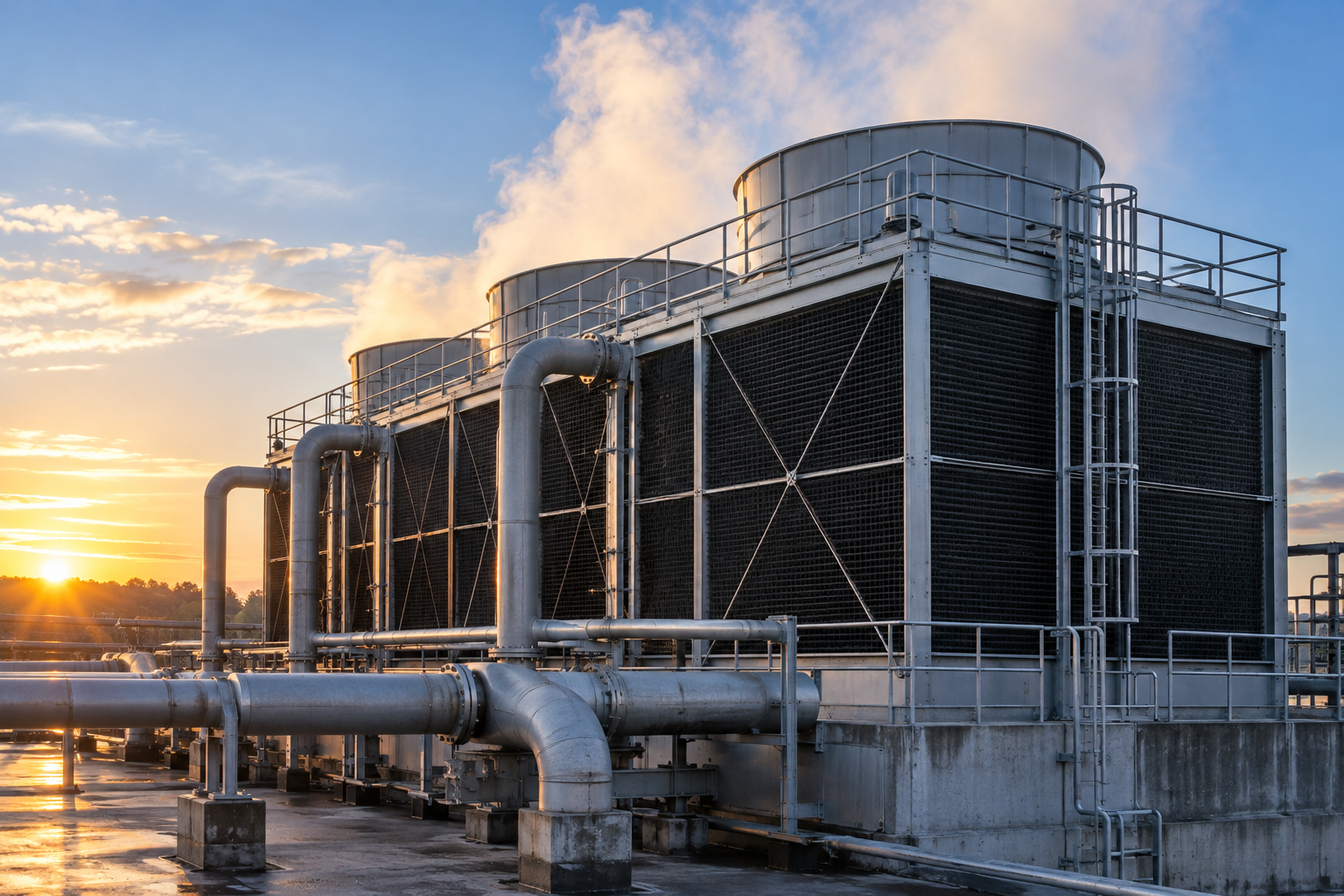
The mix of stages depends on how much sand and algae the source carries, so each station is sized from site data.
Spin Flow Screen: vortex action screen; 200 mesh or 75 microns; from 125 gpm; 120 psi; manual purge
Maxi-Flush Screen: automatic backwash screen for surface water with high algae; 75 microns; from 250 gpm; 100 psi
Sand Media: algae, slime, sand, and grit removal down to 200 mesh or 75 microns; 100 psi standard; automatic backwash
Suspended solids and biological matter plug nozzles and valves, which leads to uneven coverage. Filtration supports healthier turf with fewer interruptions.
Water enters the housing tangentially and spins, which throws heavy particles away from the fine mesh cartridge. A flush port removes the heavy sediment.
Maxi-Flush screens are built for surface water with high algae loads, and sand media filters capture algae and slime. The best fit depends on flow and source water.
Spin Flow screens can serve as a primary filter in specific applications, or as a secondary filter behind sand media or a separator. Yardney reviews your water first.
Spin Flow screens start at 125 gpm, Maxi-Flush at 250 gpm, and Mini Media handles 15 to 45 gpm for smaller fields.