
Manganese Removal Filtration Systems for Municipal Water

Manganese removal filtration for municipal water captures particulate manganese and related solids so water is clearer and deposits stop building up in mains, tanks, and plumbing.
Yardney Multi Media systems with IMA-65 specialty media are listed for iron, manganese, and arsenic.
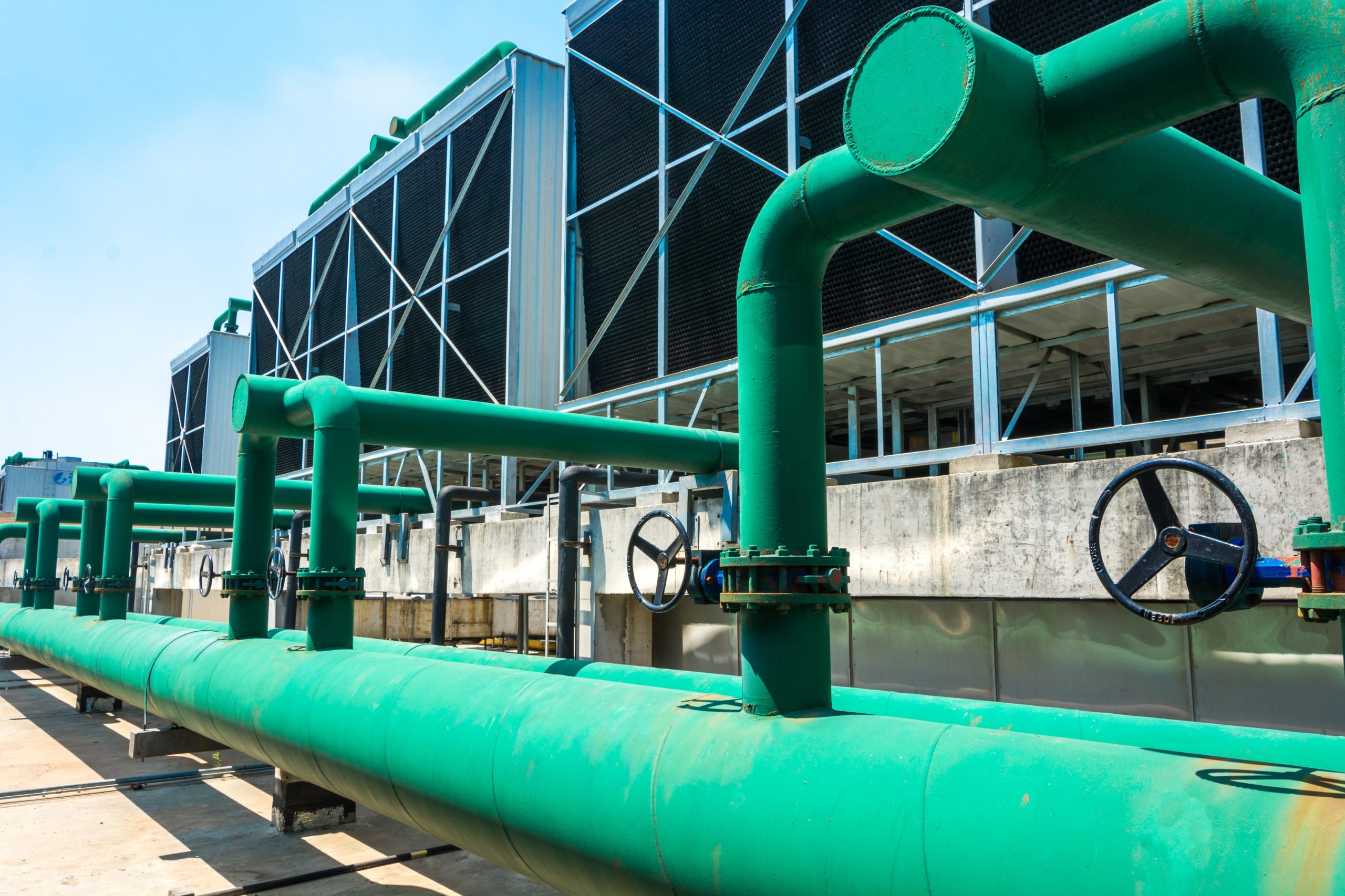
Manganese can produce staining, taste concerns, and distribution system deposition, especially when water chemistry shifts. Filtration helps remove particulate manganese and related solids, improving clarity.
Dissolved manganese is typically oxidized into insoluble manganese dioxide that filtration or clarification then removes. Oxidant choice and contact time depend on the source water.
Improve Clarity: Remove particulate manganese for clearer water.
Reduce Buildup: Limit deposits in mains, tanks, and plumbing.
Fewer Complaints: Cut staining and taste calls from customers.
Lower Maintenance: Reduce the upkeep that manganese deposits cause.
Yardney Multi Media systems filter organic and inorganic suspended solids down to 5 microns, with automatic backwash and a removable underdrain. IMA-65 media is listed for iron, manganese, and arsenic, and the Payette case study states it removes iron and manganese without potassium permanganate.
Deep Bed Sand Media filters, with a 36-inch shell and 15-micron filtration, can serve as additional solids control. At Well 13A in Lakewood, California, the city wanted manganese, which sometimes exceeded its 0.05 ppm aesthetic guideline, reduced alongside arsenic, and the project’s published results cover arsenic only.
Applications
Standard Assembly Includes (Multi Media systems)
Available Options

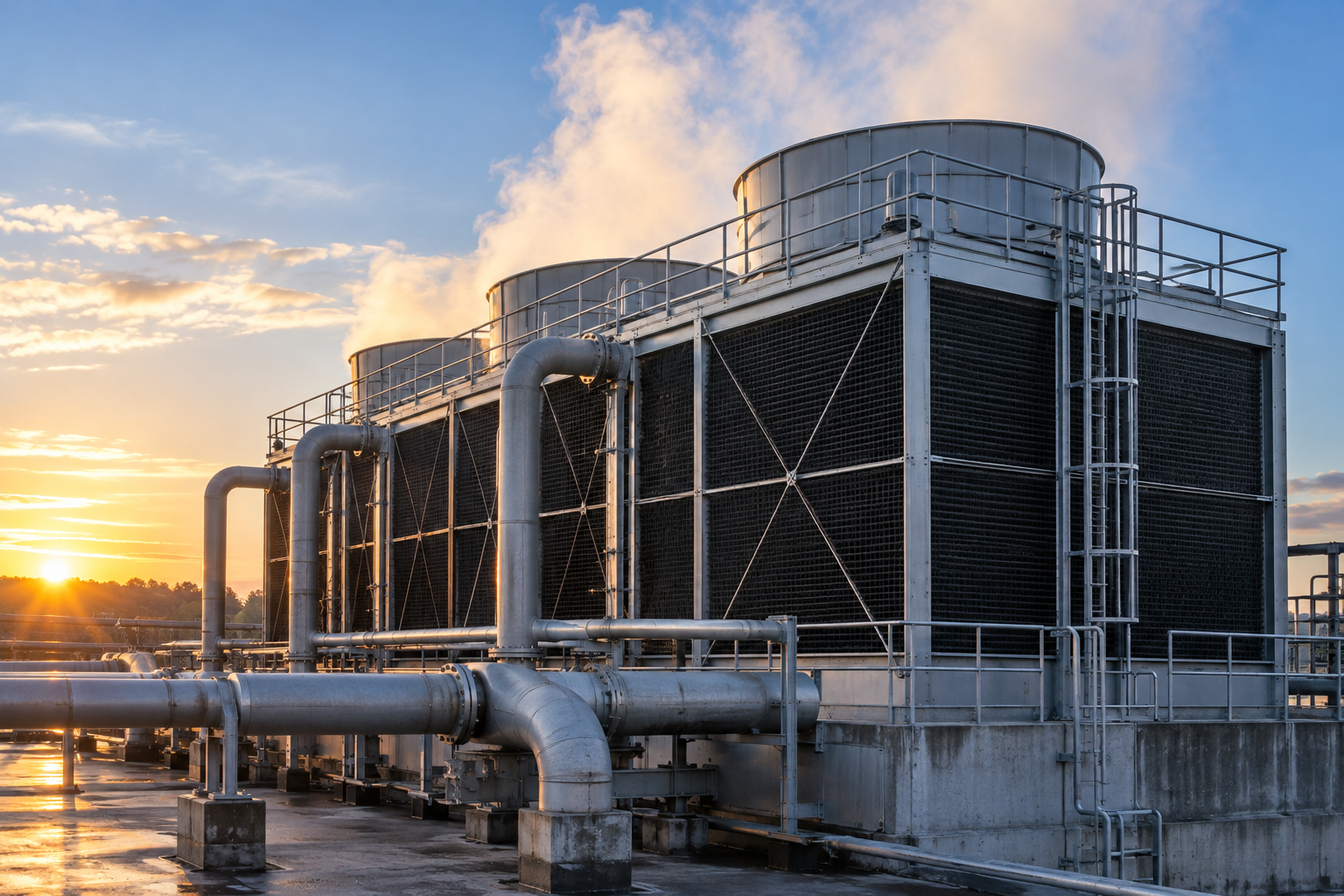
Manganese levels, pH, and oxidant choice set media depth and flow rates, so each system is sized from site data.
Multi Media: organic and inorganic suspended solids down to 5 microns; from 10 gpm; automatic backwash by elapsed time or pressure differential
Specialty Medias: IMA-65 for iron, manganese, and arsenic; supplied in systems or as replacement media
Deep Bed Sand Media: filtration to 15 microns on a 36-inch shell for added solids control
Manganese can cause staining, taste concerns, and deposits in mains, tanks, and plumbing, especially when water chemistry shifts.
Dissolved manganese is oxidized into insoluble manganese dioxide, which filtration or clarification then removes. Aeration, chlorine, and permanganate are common oxidants.
It is a Yardney specialty media aimed at iron, manganese, and arsenic together. You can order it inside a new system or as replacement media in an existing one.
Yes. IMA-65 is listed for both, and the Payette case study states it removes iron and manganese without potassium permanganate.
Sizing depends on flow, manganese and iron levels, pH, and oxidant. Multi Media systems start at 10 gpm, and Yardney reviews site data to recommend a design.