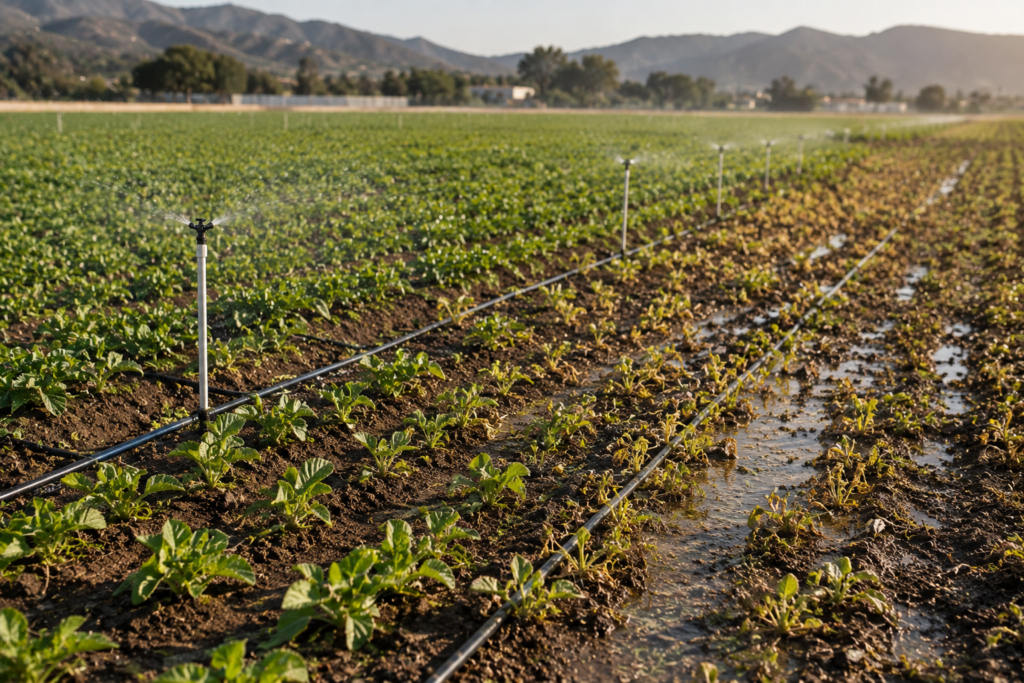
Water does not always have to be used once and discharged. Across municipal facilities, industrial operations, agricultural properties, golf courses, and commercial applications, organizations are increasingly looking at ways to reclaim water, treat it appropriately, and put it back to productive use.
That shift makes water reuse filtration an increasingly important part of long-term water management. Reclaimed water can contain suspended solids, organic material, sediment, minerals, microorganisms, dissolved compounds, and other constituents that affect how and where that water can be reused. Before reclaimed water can serve another purpose, its quality has to match the requirements of the intended application.
The U.S. Environmental Protection Agency defines water reuse and recycling as reclaiming water from a variety of sources, treating it, and reusing it for beneficial purposes. Those applications can range from irrigation and industrial processes to groundwater recharge and certain potable uses. The appropriate treatment depends on where the water came from and what will happen to it next.
At Yardney Water Filtration Systems, we provide advanced water filtration systems designed around those specific conditions. By evaluating the source water, contaminants, required flow, downstream equipment, and final water-quality objectives, we can help customers incorporate reliable filtration into broader water reuse and reclaimed water treatment strategies.
Why Water Reuse Is Becoming More Important
Reliable water supplies are essential to communities, agriculture, manufacturing, energy production, landscaping, and countless other operations. As demand grows and water resources face increasing pressure, reclaiming water that might otherwise be discharged can create another usable supply while reducing dependence on higher-quality freshwater for applications that may not require it.
The U.S. Geological Survey notes that reclaimed wastewater is already used for numerous beneficial purposes, including agricultural irrigation, golf course irrigation, industrial processing, cooling water, landscaping, groundwater recharge, and environmental applications. Reclaimed water used for one of these purposes can also preserve higher-quality water for applications where it is more necessary.
That does not mean every source of reclaimed water is automatically suitable for reuse. Water quality can vary significantly depending on whether the source is municipal wastewater, industrial process water, cooling water, stormwater, agricultural return flow, or another supply. The EPA describes this concept as fit-for-purpose treatment: water is treated and verified to meet the quality specifications appropriate for its intended end use.
This is why reclaimed water filtration systems should be designed around the actual application rather than approached as a one-size-fits-all solution.
Filtration Is a Critical Step in the Water Reuse Treatment Train
Filtration can serve several purposes within a water reuse treatment system. In some applications, filtration provides the primary method for removing targeted suspended material. In others, it serves as pretreatment before technologies such as granular activated carbon, reverse osmosis, cartridge filtration, ion exchange, or other advanced processes.
Suspended solids are particularly important. Sediment, organic material, algae, grit, and other particles can create turbidity, accumulate inside piping, foul downstream treatment equipment, obstruct irrigation emitters, interfere with industrial processes, and increase maintenance requirements. Removing those materials early can help the rest of the treatment system operate under more predictable conditions.
Filtration may also be part of a broader strategy for addressing dissolved or highly dispersed contaminants. The treatment technology has to match the contaminant. A system designed primarily to capture suspended solids cannot automatically be expected to remove PFAS, arsenic, Chromium-6, 1,2,3-TCP, or every other emerging contaminant.
At Yardney Water Filtration Systems, that distinction matters. We look at filtration as part of an overall treatment objective, helping customers determine what needs to be removed and which technology is appropriate for that job.
Different Reuse Applications Create Different Filtration Needs
One of the most important principles of reclaimed water treatment is that the end use determines the water-quality objective.
An industrial facility reusing process water, for example, may be particularly concerned about suspended material that can foul heat exchangers, nozzles, valves, cooling equipment, or production processes. A municipal reuse project may have different regulatory, operational, and water-quality requirements. An agricultural operation or golf course may need to protect irrigation emitters and sprinklers from sediment and organic matter.
This distinction prevents unnecessary treatment while also helping avoid undertreatment. Treating every source to the same standard can add complexity and expense that may not benefit the application. Treating water inadequately can create equipment problems, unreliable performance, water-quality concerns, or failure to achieve the intended reuse objective.
Media Filtration Provides a Reliable Foundation
For many water reuse applications, media filtration provides an effective foundation because it can handle substantial volumes of water while removing suspended contaminants.
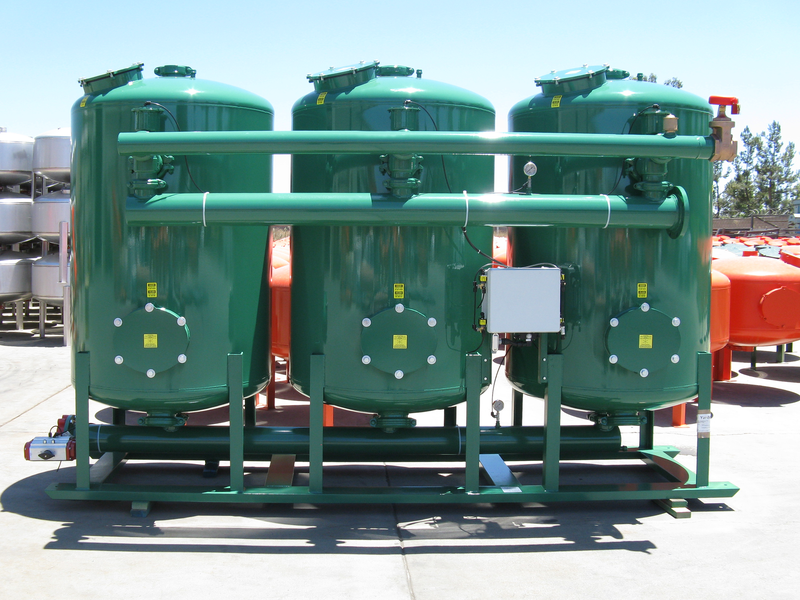
Yardney Water Filtration Systems offers several types of backwashing media filtration technologies, including Sand Media Filtration, Multi-Media Filtration, and Granular Activated Carbon Filtration. The appropriate configuration depends on the incoming water quality and required treatment result.
Our industrial Sand Media filters, for example, are designed to remove organic and inorganic suspended solids and can be used as standalone filtration or as pretreatment for additional technologies. Multi-Media filters provide enhanced solids capacity and finer suspended-solids filtration by using multiple media layers. Both technologies can be applied to industrial process water, wastewater cleanup, stormwater, incoming plant water, and industrial water for plant reuse.
The ability to backwash is also valuable in reuse applications. As contaminants accumulate within the filter, a properly designed backwash cycle removes captured material and restores hydraulic performance. That allows filtration to become a repeatable treatment process rather than relying on frequent replacement of disposable filtration elements.
Industrial Water Reuse Can Improve Resource Efficiency
Industrial facilities present significant opportunities for water recycling and reuse because water can play many different roles within a single plant. It may be used for cooling, washing, rinsing, processing, equipment operation, or other functions.
Instead of viewing every water stream as waste once it completes its first task, facilities can evaluate whether some streams can be treated and reused. The exact approach depends on the process and water chemistry, but effective filtration can remove suspended material that would otherwise prevent or complicate reuse.
Yardney Water Filtration Systems also offers Recirculating Water Filtration Systems designed for recycled cooling-tower and industrial process water. Removing suspended contaminants from recirculating water can help protect heat-transfer performance and reduce contaminant accumulation within the system.
For industrial customers, this makes filtration more than a water-quality measure. A properly engineered industrial water reuse system can support water conservation while protecting the equipment and processes that depend on consistent water quality.
Reclaimed Water Has Important Irrigation Applications
Agriculture, golf, turf, and landscape operations are another major opportunity for reclaimed water. The USGS includes reclaimed wastewater among the sources used by irrigation systems and notes that reclaimed supplies can be used in agricultural and landscape applications.
However, irrigation equipment can be highly sensitive to poor water quality. Fine sediment, algae, organic debris, sand, and other material can obstruct emitters and nozzles, interfere with valves, and create uneven water distribution. That makes irrigation filtration for reclaimed water an important consideration.
Yardney Water Filtration Systems has worked with irrigation filtration technology since 1965. Our filtration products are designed to address challenging water sources while protecting downstream irrigation equipment.
For growers, golf courses, and large landscape operations considering reclaimed water, filtration should therefore be evaluated as part of the infrastructure needed to make that alternative supply practical and dependable.
Emerging Contaminants Require a Targeted Approach
Water reuse also raises an important question: what else is present in the source water?
Depending on its origin, water may contain dissolved compounds or emerging contaminants that conventional suspended-solids filtration alone is not designed to address. PFAS and other organic compounds, Iron, Manganese, Arsenic, Chromium-6, 1,2,3-TCP, and microplastics can all create different treatment challenges.
That is why treatment should begin with water analysis rather than assumptions. Granular Activated Carbon filtration, specialized media, ion exchange, and other technologies may be incorporated when the identified contaminant and treatment objective call for them. GAC, for example, uses adsorption rather than simple mechanical particle capture and can be incorporated into treatment systems targeting certain dissolved organic compounds and PFAS applications.
Yardney Water Filtration Systems offers Sand Media, Multi-Media, Granular Activated Carbon, IX resin, and specialty-media technologies for demanding industrial, commercial, and municipal applications. By selecting filtration around the actual water chemistry, we can help customers develop a more deliberate treatment train rather than expecting a single technology to solve unrelated water-quality challenges.
Designing Reclaimed Water Filtration Around the Application
The success of a water reuse filtration system begins before equipment is installed. Engineers and operators need to understand the source water, contaminant concentrations, variability, required flow, operating pressure, downstream equipment, final use, and applicable water-quality requirements.
Seasonal and operational changes matter as well. Agricultural sources may experience changing algae or sediment loads. Stormwater quality changes with runoff events. Industrial process water can vary when production conditions change. Municipal water sources may experience changes in turbidity, chemistry, or contaminant concentrations.
Yardney Water Filtration Systems uses this information to help determine the filtration technology, media, system configuration, and capacity appropriate for an application. A system intended to remove high suspended-solids loads may require a different approach than one serving as pretreatment before GAC or another advanced treatment process.
Proper design helps ensure that reclaimed water filtration does what it is supposed to do: consistently prepare water for its next use while supporting reliable operation over the long term.
Water Reuse Is Part of a Larger Sustainability Strategy
Water reuse can create value beyond a single filtration system. When an organization can safely use reclaimed water for irrigation, cooling, industrial processing, or another suitable application, it can reduce demand on freshwater supplies and create greater flexibility in how available water resources are managed.
The EPA has identified water reuse as a tool for strengthening water security, sustainability, and resilience. That makes filtration increasingly relevant not only to individual facilities but also to broader municipal and industrial infrastructure planning.
Yardney Water Filtration Systems approaches water reuse and sustainability from a practical perspective. Sustainability depends on systems that work reliably in real operating environments. Effective filtration helps turn the concept of recycling water into an operational process by removing contaminants that would otherwise limit reuse, damage equipment, or interfere with downstream treatment.
Frequently Asked Questions
Water reuse projects can vary significantly depending on the source water and intended application. These common questions help explain where filtration fits into the process.
What Is the Difference Between Reclaimed Water and Recycled Water?
The terms are often used interchangeably. In general, reclaimed or recycled water is water recovered from a previous use or another source, treated to an appropriate quality, and used again for a beneficial purpose. The required treatment depends on the intended application.
What Type of Filter Is Best for Reclaimed Water?
There is no single best filter for every reclaimed water application. Sand Media Filters and Multi-Media Filters can address suspended organic and inorganic material, while Granular Activated Carbon and specialty media may be appropriate for certain dissolved contaminants. Source-water testing and clearly defined treatment objectives should guide system selection.
Can Reclaimed Water Be Used for Irrigation?
Yes, when the water has been treated appropriately and meets applicable requirements for its intended irrigation use. Reclaimed water is already used for agriculture, golf courses, parks, landscaping, and other irrigation applications. Filtration can help remove material that could plug or damage irrigation equipment.
Can Filtration Make Any Wastewater Suitable for Reuse?
Filtration can be an important part of treatment, but filtration alone is not necessarily sufficient for every source or end use. Some applications require multiple treatment barriers to address suspended solids, dissolved contaminants, microorganisms, salts, or other constituents. A proper treatment train should be based on water analysis, regulatory requirements, and the quality required for the final application.
Why Partner with Yardney Water Filtration Systems
Successful water reuse filtration begins with understanding the water rather than simply selecting equipment from a catalog. Yardney Water Filtration Systems brings decades of filtration experience to industrial, commercial, municipal, agricultural, golf, turf, and landscape applications. Our technologies have been tested across hundreds of applications and thousands of installations, giving us practical experience with demanding and variable water conditions.
Our complete industrial product line includes Sand Media, Multi-Media, and Granular Activated Carbon backwashing filtration systems, along with IX resin and specialty-media options for specific treatment requirements. Whether the objective involves municipal water treatment, industrial water treatment, reclaimed water, process-water reuse, irrigation filtration, PFAS remediation, Iron and Manganese removal, Arsenic, or other emerging water-quality challenges, we can help identify filtration technologies suited to the application.
Water reuse has the potential to make existing water resources work harder, but reliable reuse depends on reliable treatment. Yardney Water Filtration Systems works with customers to evaluate source water, identify treatment objectives, protect downstream equipment, and engineer filtration systems built for dependable long-term performance.
If your organization is evaluating water reuse, reclaimed water treatment, or water recycling filtration systems, talk with Yardney Water Filtration Systems about the requirements of your application. Call 951.656.6716 or email [email protected] to discuss your water source, treatment objectives, and filtration needs.