Choosing the right water filtration systems is one of the most important decisions any facility, municipality, agricultural operation, or commercial business can make. Water quality directly affects equipment performance, operational costs, regulatory compliance, and long-term sustainability. However, selecting between sand media filtration and screen filtration is not always straightforward because each technology addresses different water quality challenges and operating conditions.
Whether you are designing a new municipal water treatment facility, upgrading an industrial water treatment process, improving irrigation filtration for agriculture, or protecting golf course irrigation systems, understanding the strengths and limitations of each filtration method is essential. The right filtration technology can improve reliability, reduce maintenance costs, extend equipment life, and deliver cleaner water for demanding applications.
Yardney Water Filtration Systems has decades of experience engineering advanced filtration solutions for Agriculture, Golf, Turf & Landscape, Industrial, Commercial, and Municipal markets. By understanding how each filtration technology performs under different conditions, organizations can make informed investments that support both current needs and future water quality challenges.
Understanding the Role of Water Filtration
Water rarely arrives free of contaminants. Even sources that appear clean often contain suspended solids, organic material, algae, sediment, minerals, and emerging contaminants that create operational problems if left untreated. Surface water, reclaimed water, groundwater, and municipal supplies all present unique treatment challenges that require carefully selected filtration systems.
Modern water filtration systems are expected to do much more than simply remove visible debris. Facilities increasingly need filtration that supports water reuse and sustainability, protects downstream equipment, improves treatment efficiency, and helps facilities address contaminants such as iron, manganese, arsenic, Chromium-6, 1,2,3-TCP, microplastics, and other emerging contaminants through integrated treatment processes.
According to the U.S. Environmental Protection Agency, effective filtration is one of the key components of multiple-barrier drinking water treatment strategies because it helps remove suspended particles that may interfere with later treatment stages or harbor microorganisms.
What Is Sand Media Filtration?
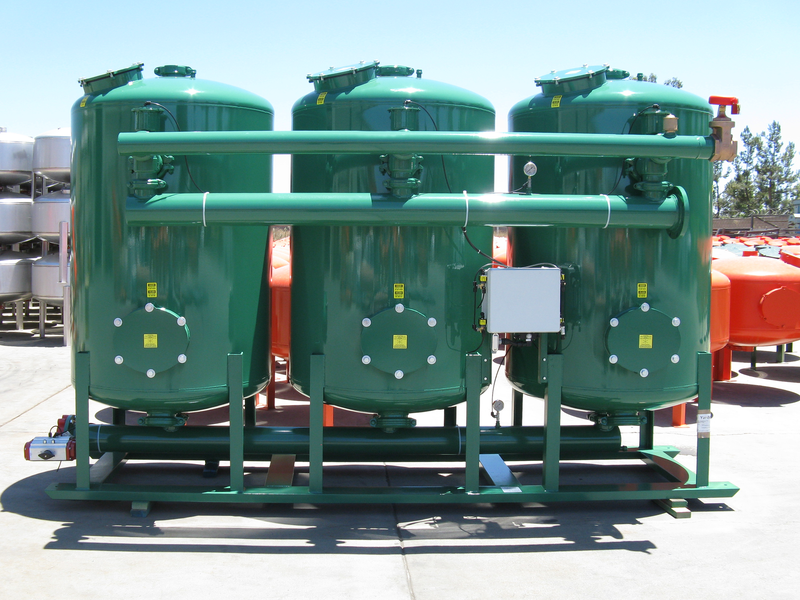
Sand media filtration uses specially selected filter media to capture suspended particles as water flows through multiple layers. Unlike simple surface filtration, media filtration removes contaminants throughout the entire depth of the media bed, allowing significantly greater dirt-holding capacity before cleaning becomes necessary.
A properly engineered Sand Media Filter typically contains carefully graded media such as silica sand, garnet, anthracite, or specialized treatment media depending on the application. Different media sizes create multiple filtration zones that capture particles of varying sizes while maintaining high flow rates.
Because contaminants become trapped throughout the media bed rather than only on the surface, sand media systems are particularly effective for handling variable water quality, heavy suspended solids, algae, organic matter, and fluctuating contaminant loads.
For applications requiring specialized treatment, media options may also include:
- Iron and manganese removal media
- Arsenic removal media
- Green Sand
- Green Sand Plus
- Organic clay
- Zeolites
- Granular Activated Carbon filter (GAC) media for taste, odor, PFAS, and certain organic contaminants
These specialized options allow media filtration systems to address a much broader range of treatment objectives than mechanical filtration alone.
How Screen Filtration Works
A Manual Clean Screen Filter or Automatic Clean Screen Filter removes contaminants by passing water through a precisely sized screen opening. Particles larger than the screen remain on the screen surface while clean water continues through the system.
Unlike media filtration, screen filtration is considered surface filtration because debris accumulates on the screen itself rather than throughout a filtration bed. Automatic cleaning systems periodically flush accumulated debris away, reducing manual maintenance while maintaining system performance.
Screen filtration excels at removing relatively large suspended particles such as:
- Sand
- Gravel
- Organic debris
- Leaves
- Larger suspended solids
Because the filtration occurs at the screen surface, cleaning frequency depends heavily on incoming water quality. Applications with heavy organic loading or rapidly changing water quality may require more frequent cleaning cycles than relatively clean groundwater supplies.
Comparing Filtration Performance
One of the biggest differences between these technologies lies in the types of contaminants they remove most effectively.
Sand media filtration provides depth filtration, allowing smaller suspended particles to become trapped throughout the media bed. This generally produces higher quality filtered water and better handling of variable water conditions.
Screen filtration performs exceptionally well when the primary concern is removing larger particles before they reach downstream equipment. Irrigation systems supplied by wells with coarse sand or distribution systems experiencing occasional debris often benefit from screen filtration because the contaminants are relatively large and predictable.
When comparing particle removal, media filtration generally captures finer suspended solids while maintaining greater contaminant storage capacity between cleaning cycles.
For operations where water quality changes seasonally—such as rivers, lakes, reclaimed water supplies, or agricultural canals—media filtration often provides more consistent performance because contaminants penetrate throughout the media bed rather than quickly coating a screen surface.
Applications Where Sand Media Filtration Excels
Many facilities choose Sand Media Filter technology because of its versatility across multiple industries.
Municipal Water Treatment
Growing population demands and increasingly complex water quality regulations have made municipal water treatment more challenging than ever before. Municipal systems frequently encounter fluctuating raw water quality due to storms, seasonal runoff, algae blooms, and changing source water conditions.
Sand media systems provide reliable suspended solids removal while serving as an important treatment step before advanced processes such as disinfection, membrane treatment, or activated carbon adsorption.
As municipalities also prepare to address emerging contaminants including PFAS, microplastics, Chromium-6, and 1,2,3-TCP, properly designed multi-stage treatment trains often begin with effective media filtration that protects downstream equipment.
Industrial Water Treatment
Industrial facilities rely on consistent water quality to protect production equipment, heat exchangers, cooling towers, boilers, and manufacturing processes.
Industrial water treatment systems frequently encounter varying suspended solids that can foul expensive equipment. Media filtration helps reduce these loads while extending equipment life and reducing maintenance costs.
Industries including food processing, manufacturing, chemical production, power generation, and mining often benefit from high-capacity media filtration because of its ability to manage changing water quality without constant operator intervention.
Agriculture and Irrigation
Agricultural irrigation systems depend upon consistent water delivery across thousands of acres.
Surface water used for irrigation often contains algae, suspended sediment, organic material, and biological contaminants that easily clog irrigation emitters.
Agriculture water filter solutions built around sand media filtration provide excellent protection for:
- Drip irrigation
- Micro-irrigation
- Sprinkler systems
- Center pivot irrigation
- Fertigation systems
The higher dirt-holding capacity allows growers to maintain consistent irrigation performance while reducing cleaning frequency during periods of poor water quality.
When Screen Filtration Is the Better Choice
Screen filtration should not be viewed as an inferior technology. In many applications, it is precisely the correct engineering solution.
Facilities using relatively clean groundwater with occasional sand intrusion often find screen filters highly effective because contaminant loading remains predictable and consists primarily of larger particles.
Applications commonly suited for Automatic Clean Screen Filter systems include:
- Well water protection
- Pump protection
- Pre-filtration before specialized treatment
- Equipment protection
- Pipeline debris removal
Screen filters also perform well where space is limited since they generally occupy a smaller footprint than comparable media filtration systems.
When maintenance personnel prefer straightforward operation and contaminant loads remain relatively low, automatic screen systems offer dependable performance with minimal complexity.
Why Water Source Matters More Than Many People Realize
Selecting between technologies begins with understanding the water source rather than simply comparing equipment specifications.
Groundwater typically contains fewer suspended solids but may include dissolved contaminants such as iron, manganese, arsenic, or naturally occurring minerals. Surface water, however, often experiences dramatic seasonal changes involving algae blooms, organic debris, sediment, and biological activity.
Reclaimed water introduces another level of complexity because treatment objectives may include protecting irrigation systems while supporting water reuse and sustainability initiatives. These applications often require robust filtration capable of handling changing water quality over time.
Municipal engineers increasingly evaluate filtration systems not only for today’s water quality but also for anticipated future regulatory requirements involving emerging contaminants, including PFAS remediation, microplastics, Chromium-6, and 1,2,3-TCP.
Combining Technologies for Better Performance
One common misconception is that organizations must choose either sand media or screen filtration exclusively.
In reality, many advanced water filtration systems combine multiple technologies to maximize performance.
For example, a facility may install:
- Centrifugal Sand Separator equipment for removing heavy sand
- Automatic Clean Screen Filter units for coarse debris
- Sand Media Filter systems for fine suspended solids
- Granular Activated Carbon Filter (GAC) units for taste, odor, PFAS, or organic contaminants
- Specialized media for iron and manganese removal or arsenic treatment
This staged treatment approach allows each technology to perform the function it handles best while reducing overall operating costs and improving long-term reliability.
The American Water Works Association discusses how multiple treatment barriers improve water quality and system resilience, particularly as utilities address evolving water quality challenges.
Planning for Emerging Contaminants and Future Regulations
Water treatment priorities continue to evolve.
Utilities, industries, and agricultural operations increasingly recognize that filtration decisions made today should accommodate tomorrow’s regulatory requirements.
While mechanical filtration technologies do not independently remove every dissolved contaminant, they play a critical role in integrated treatment systems that address:
- PFAS remediation
- Arsenic
- Iron and manganese removal
- Chromium-6
- 1,2,3-TCP
- Microplastics
- Organic contaminants
For example, effective pre-filtration improves the performance of downstream Granular Activated Carbon filter systems by reducing suspended solids that could otherwise reduce adsorption efficiency.
The U.S. Geological Survey continues to study the occurrence and transport of contaminants in groundwater and surface water, emphasizing the importance of integrated treatment strategies as water quality challenges evolve.
Engineering the Right Solution for Your Application
No two facilities have identical water quality conditions.
Flow rates, seasonal variation, contaminant types, operating budgets, maintenance capabilities, regulatory requirements, and future expansion plans all influence the ideal filtration solution.
That is why successful projects begin with careful engineering rather than selecting equipment based solely on initial purchase price.
Frequently Asked Questions
Choosing between filtration technologies often raises important questions because every application has different operating requirements. The following answers address some of the most common concerns customers have when evaluating water filtration systems.
Which filtration technology removes finer particles?
In most situations, sand media filtration captures smaller suspended particles because contaminants become trapped throughout the depth of the media bed rather than only on the surface. This generally produces higher-quality filtered water for applications with variable water quality.
Are screen filters easier to maintain?
Automatic screen filters often require less routine operator involvement when treating relatively clean water with predictable contaminant loading. However, applications with heavy organic material or rapidly changing water quality may require frequent cleaning cycles. Proper equipment selection depends on the source water rather than maintenance expectations alone.
Can sand media filtration help support PFAS treatment?
Yes. While sand media filtration does not directly remove dissolved PFAS compounds, it serves as an excellent pre-treatment stage before Granular Activated Carbon Filter (GAC) systems and other advanced treatment technologies used for PFAS remediation. Removing suspended solids first improves downstream treatment efficiency and extends media life.
Is one filtration technology always better than the other?
No. The best choice depends entirely on your application, water source, contaminant profile, flow requirements, maintenance goals, and long-term treatment objectives. Many facilities achieve the best results by combining multiple technologies into one integrated treatment system.
Why Partner with Yardney Water Filtration Systems
Selecting the right filtration technology is about more than choosing equipment. It is about designing a complete solution that delivers reliable performance for years to come. At Yardney Water Filtration Systems, we work closely with customers to understand their water quality challenges and engineer filtration systems that meet demanding operational and regulatory requirements.
We offer a complete line of filtration systems for industrial, commercial, municipal, agricultural, golf, turf, and landscape applications. Whether your objective is improving municipal water treatment, supporting industrial water treatment, enhancing irrigation filtration, or preparing for emerging contaminants such as PFAS, Chromium-6, 1,2,3-TCP, and microplastics, we can help identify the best solution for your application.
Our filtration technologies have been tested in hundreds of applications and thousands of installations, providing proven performance across a wide range of water sources and operating environments. We specialize in advanced water filtration systems built for reliability, efficiency, and long-term value while supporting growing demands for water reuse and sustainability.
To learn more about the right filtration technology for your facility, contact Yardney Water Filtration Systems today. Call 951.656.6716 or email [email protected] to speak with our experienced team about designing a filtration solution tailored specifically to your application.