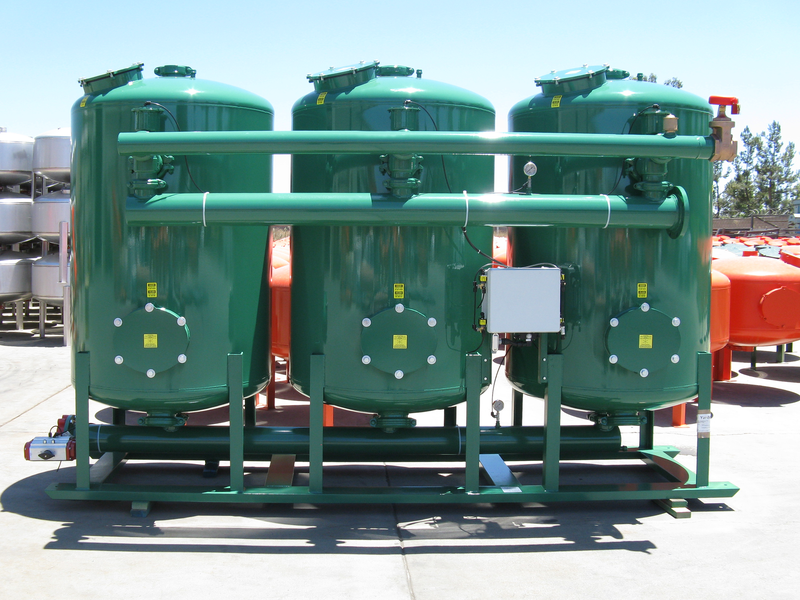
Communities across the United States are placing greater emphasis on drinking water quality than ever before, and for good reason. Public awareness surrounding Per- and Polyfluoroalkyl Substances ( PFAS) remediation, emerging contaminants, and increasingly stringent water quality regulations continues to grow. Municipal utilities, industrial facilities, agricultural operations, and commercial water users are now being challenged to evaluate existing infrastructure and determine whether current water filtration systems are capable of meeting today’s standards while remaining flexible enough to address tomorrow’s challenges.
For water system operators, understanding PFAS is no longer optional. Whether managing a municipal treatment facility, an industrial process water system, an irrigation network, or a commercial filtration application, the ability to recognize treatment options, evaluate filtration technologies, and prepare for evolving regulations has become an essential part of long-term planning. At Yardney Water Filtration Systems, we understand these challenges because we have spent decades engineering advanced filtration solutions designed for reliability, performance, and long-term operational success across a wide range of demanding applications.
Understanding PFAS and Why They Matter
Per- and polyfluoroalkyl substances, commonly known as PFAS, represent a large family of synthetic chemicals that have been used in manufacturing and consumer products for decades. Their resistance to heat, oil, grease, and water has made them valuable in countless industrial applications. Unfortunately, those same characteristics also make them exceptionally persistent in the environment, earning them the nickname “forever chemicals.”
Unlike many contaminants that naturally degrade over time, PFAS remain in groundwater, surface water, and soil for extended periods. As a result, these compounds can enter municipal water supplies, industrial water sources, agricultural irrigation systems, and groundwater aquifers. The United States Environmental Protection Agency continues to expand research and regulatory guidance as scientists learn more about the long-term health impacts associated with PFAS exposure.
Because PFAS contamination often originates from multiple sources, treatment cannot rely on a single strategy. Water system operators must evaluate source water characteristics, existing infrastructure, treatment objectives, and future regulatory requirements before selecting an appropriate filtration solution.
PFAS Are Only One Part of the Emerging Contaminant Challenge
Although PFAS currently receive significant attention, they represent only one category of emerging contaminants affecting water quality. Municipal and industrial operators are increasingly monitoring contaminants such as Chromium-6, 1,2,3-TCP, microplastics, pharmaceutical residues, and various industrial compounds that may require specialized treatment strategies.
Many of these contaminants behave differently than traditional water quality concerns. Some dissolve readily into groundwater, while others attach themselves to suspended solids or organic matter. This means treatment systems must be designed with flexibility in mind, allowing operators to address multiple contaminants rather than focusing on a single water quality issue.
Forward-thinking utilities increasingly recognize that today’s infrastructure investments should prepare facilities for future treatment requirements. Designing systems that can accommodate additional media, upgraded filtration technologies, or expanded treatment trains often provides greater long-term value than implementing narrowly focused solutions.
Why Municipal Water Treatment Is Facing New Expectations
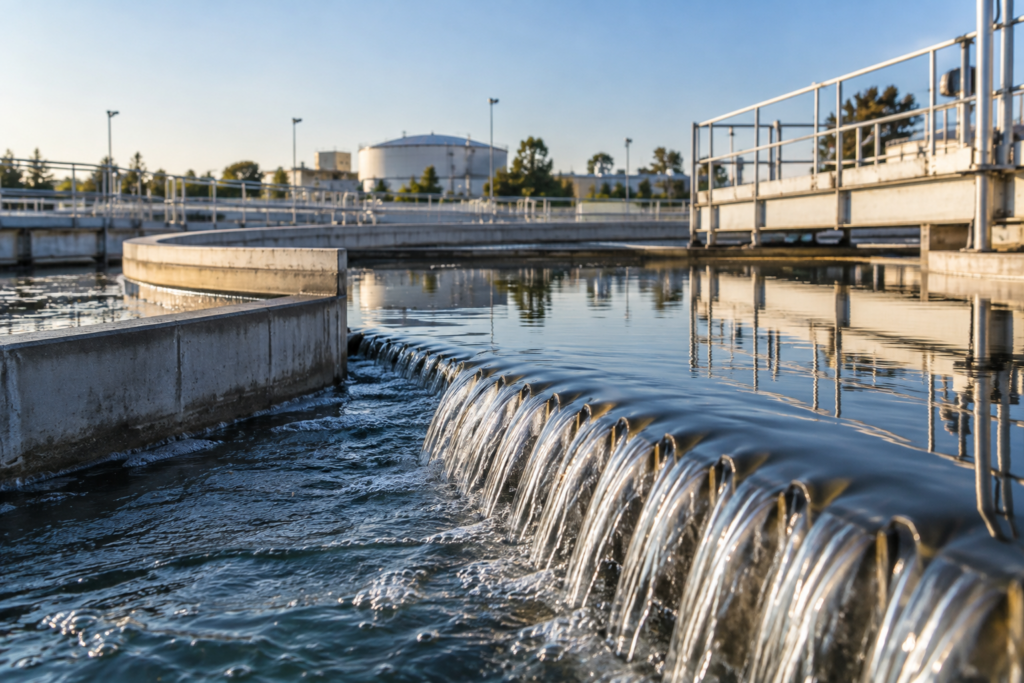
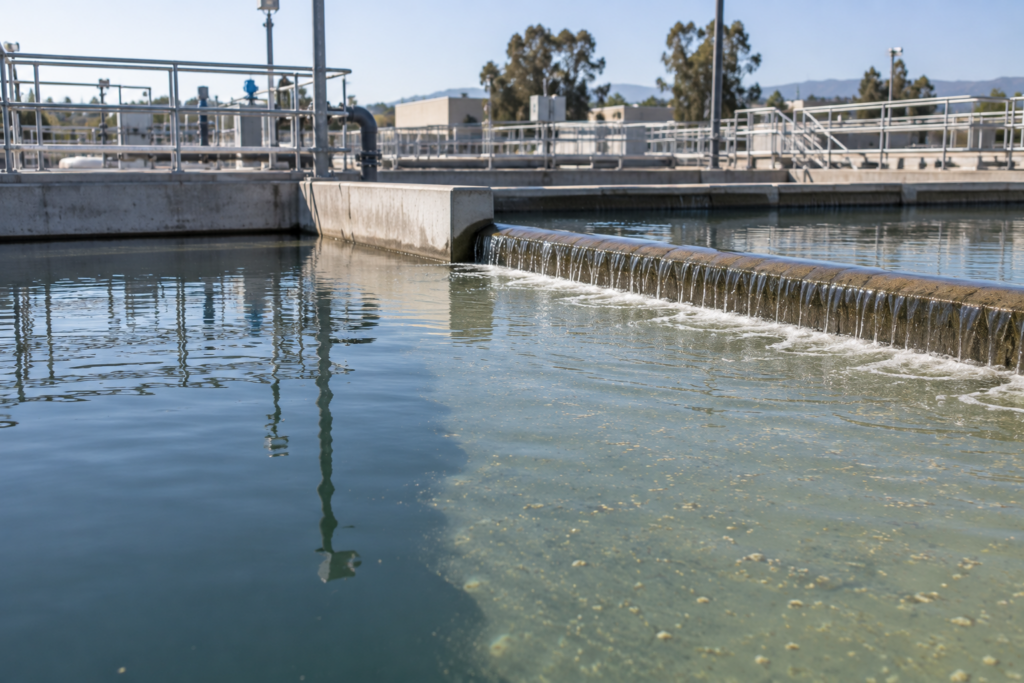
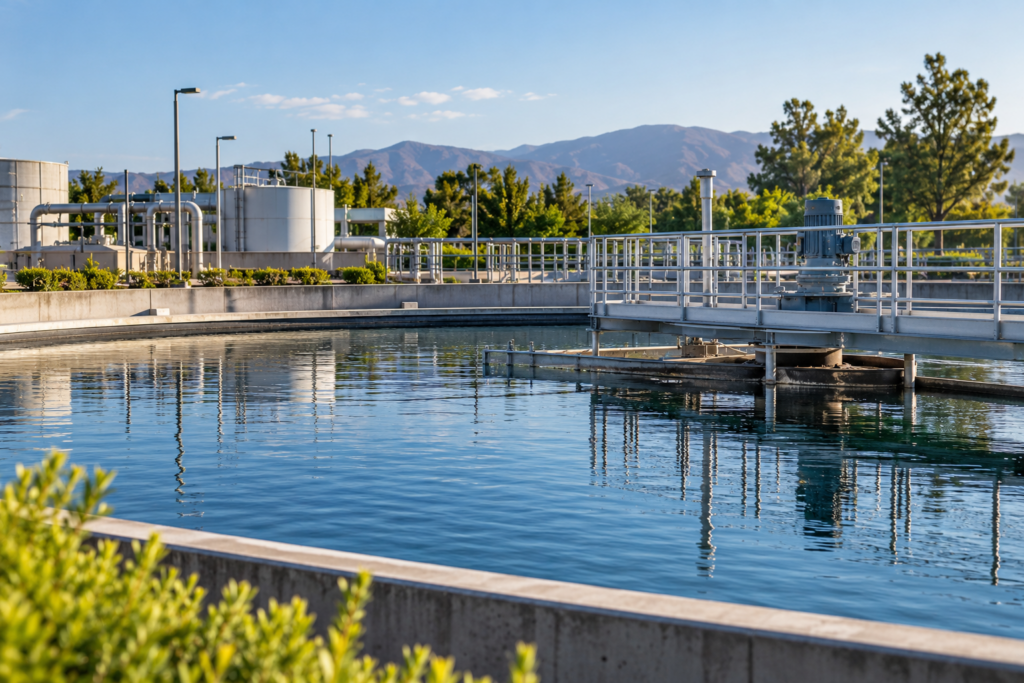
The municipal water sector represents one of the fastest-growing areas for advanced filtration technology. Communities expect safe, reliable drinking water while regulatory agencies continue establishing stricter contaminant standards. Water system operators must therefore balance public health objectives with operational efficiency, maintenance costs, and long-term infrastructure planning.
Modern municipal water treatment facilities often address multiple water quality concerns simultaneously. Surface water may contain suspended solids, organic material, algae, iron, manganese, or naturally occurring minerals in addition to emerging contaminants. Groundwater sources may require treatment for arsenic, iron, manganese, or other dissolved constituents before advanced contaminant removal can even begin.
Because treatment objectives continue evolving, operators increasingly benefit from modular filtration systems that allow facilities to expand capabilities without replacing entire treatment plants. Selecting adaptable filtration technologies today can significantly reduce future capital expenditures as regulations continue changing.
The Role of Advanced Water Filtration Systems
Not every filtration technology performs the same function. Effective water filtration systems frequently combine multiple treatment stages, each designed to remove specific contaminants while protecting downstream equipment and improving overall system performance.
Pre-treatment remains one of the most important components of any successful filtration strategy. Removing suspended solids, organic debris, and larger particles before advanced media treatment improves efficiency, extends media life, and reduces maintenance requirements throughout the treatment process.
Following pre-treatment, operators may utilize technologies such as granular activated carbon (GAC), specialty adsorption media, ion exchange systems, or other advanced treatment methods depending upon the contaminants present. Proper system design ensures each treatment stage complements the next rather than forcing one technology to accomplish every objective.
Successful facilities rarely rely upon a single piece of equipment. Instead, they build integrated treatment systems capable of adapting to changing water quality conditions while maintaining consistent performance throughout varying flow rates and seasonal demands.
Why Granular Activated Carbon Continues to Play an Important Role
Among the most recognized technologies for PFAS remediation is granular activated carbon (GAC). GAC has demonstrated effectiveness in removing many PFAS compounds while also reducing various organic contaminants that may affect taste, odor, or overall water quality.
Activated carbon works through adsorption, allowing contaminants to attach to the extensive surface area within the carbon media. As water passes through properly designed filtration vessels, PFAS compounds become trapped within the media while clean water continues downstream.
However, successful GAC performance depends upon proper engineering. Factors such as contact time, media selection, influent water quality, flow rates, competing contaminants, and maintenance schedules all influence treatment effectiveness. A properly designed system delivers far greater long-term performance than simply installing carbon vessels without considering the broader treatment process.
Sand Media Filtration Supports Long-Term Treatment Performance
While PFAS removal often receives the headlines, sand media filtration continues serving as a critical foundation within many advanced treatment systems. Removing suspended solids before water reaches adsorption media significantly improves operational efficiency and extends equipment life.
High-quality sand media filtration systems effectively remove sediment, algae, organics, and particulate matter that could otherwise clog downstream treatment equipment. This pre-treatment stage reduces maintenance frequency while protecting more specialized filtration media from premature fouling.
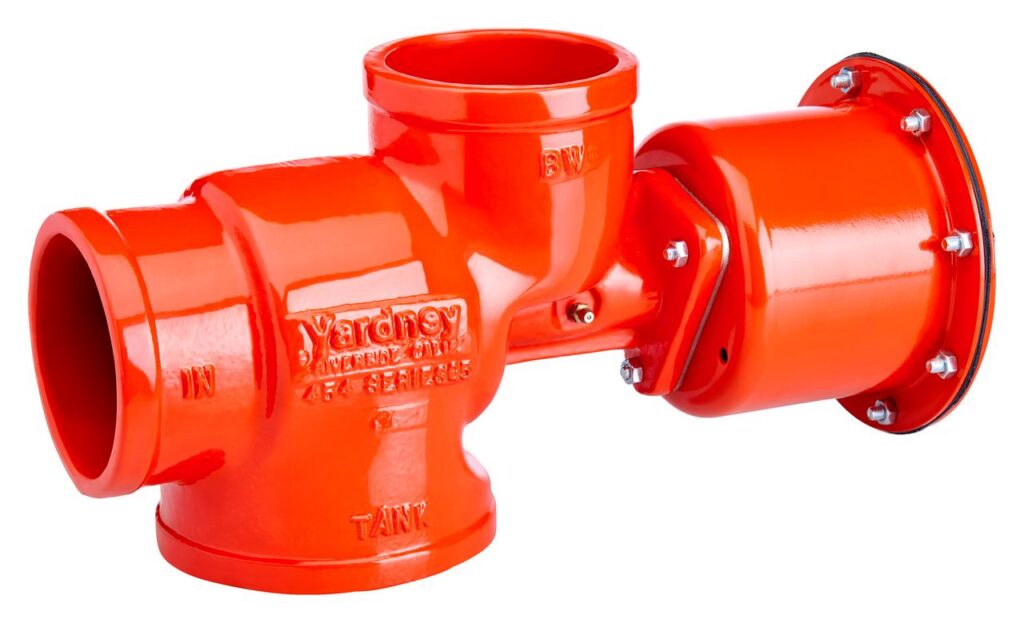
Since 1965, Yardney Water Filtration Systems has provided proven filtration technologies for demanding applications throughout agriculture, irrigation, industrial operations, commercial facilities, and municipal infrastructure. Our experience across thousands of installations demonstrates that successful filtration begins with properly engineered pre-treatment rather than relying exclusively upon advanced polishing technologies.
Industrial Water Treatment Requires Customized Solutions
Industrial facilities often face unique water quality challenges because treatment objectives extend beyond regulatory compliance. Manufacturing operations depend upon consistent water quality to protect equipment, maintain product quality, reduce downtime, and support production efficiency.
Effective industrial water treatment frequently addresses suspended solids, scaling minerals, iron, manganese, arsenic, organic compounds, and emerging contaminants simultaneously. Facilities may utilize multiple filtration technologies working together to achieve precise water quality specifications for boilers, cooling towers, process water, or manufacturing systems.
No two industrial facilities operate under identical conditions. Water chemistry, production demands, regulatory requirements, and operational goals vary significantly between industries. Customized engineering therefore remains essential when designing filtration systems capable of supporting long-term operational success.
Agriculture, Irrigation, and Water Reuse Continue to Evolve
Agricultural producers have understood the importance of clean irrigation water for decades. Modern drip irrigation, micro-spray systems, emitters, and sprinkler networks all depend upon reliable irrigation filtration to prevent clogging and maintain uniform water distribution.
As water scarcity becomes an increasing concern, water reuse and sustainability initiatives continue expanding across agriculture, municipalities, golf courses, and commercial landscapes. Reclaimed water frequently requires additional treatment to remove suspended solids, biological material, and other contaminants before reuse applications.
Reliable filtration supports these sustainability initiatives by helping operators maximize available water resources while protecting irrigation infrastructure. Proper filtration reduces maintenance, extends equipment life, improves irrigation performance, and supports responsible long-term water management.
Looking Beyond PFAS: Iron, Manganese, Arsenic, and Other Water Quality Concerns
Although PFAS dominates current industry discussions, many facilities continue managing traditional contaminants that directly affect operational performance. Iron and manganese removal remains essential for numerous groundwater systems because these naturally occurring minerals contribute to staining, scaling, taste issues, and operational challenges.
Similarly, arsenic continues requiring specialized treatment throughout many regions where naturally occurring groundwater conditions exceed recommended drinking water standards. Depending upon source water characteristics, treatment may involve specialized adsorption media, oxidation, filtration, or integrated treatment approaches.
The reality is that water quality rarely presents a single problem. Successful treatment systems evaluate the complete water chemistry rather than focusing exclusively on one contaminant. This comprehensive approach provides greater operational reliability while preparing facilities for future regulatory developments involving emerging contaminants.
Frequently Asked Questions
As regulations continue evolving, many operators have similar questions regarding PFAS remediation, filtration technologies, and long-term treatment planning. The following answers address several of the questions water professionals ask most frequently.
Does every water system need PFAS treatment?
Not necessarily. Every facility should understand its source water quality through regular testing and monitoring. Treatment decisions should be based upon analytical results, regulatory requirements, operational goals, and future planning rather than assumptions alone.
Is granular activated carbon the only solution for PFAS?
No. Granular activated carbon (GAC) is one of several effective treatment technologies. Depending upon the specific PFAS compounds, source water characteristics, and treatment objectives, ion exchange, membrane technologies, or other specialized treatment methods may also be appropriate. System design should always be based on a comprehensive water quality evaluation.
Why is pre-treatment so important?
Pre-treatment removes suspended solids and other materials that reduce the efficiency of downstream filtration equipment. Proper sand media filtration helps protect advanced treatment media, lowers maintenance requirements, improves system performance, and extends equipment life.
How can facilities prepare for future contaminants?
Designing flexible water filtration systems provides the greatest long-term value. Facilities that invest in adaptable treatment infrastructure are often better positioned to address future contaminants such as Chromium-6, 1,2,3-TCP, microplastics, arsenic, and additional emerging compounds as regulations continue evolving. The American Water Works Association provides valuable guidance regarding evolving drinking water treatment practices.
Why Partner with Yardney Water Filtration Systems
Clean water challenges continue becoming more complex, but the right filtration partner can help simplify the path forward. At Yardney Water Filtration Systems, we combine decades of engineering experience with proven filtration technologies to deliver reliable solutions for municipal water treatment, industrial water treatment, agriculture, irrigation, commercial facilities, golf courses, and landscape applications. Whether your project requires sand media filtration, granular activated carbon, specialized media for iron and manganese removal, arsenic treatment, or integrated filtration systems, we work to identify solutions that meet your operational goals.
Since 1965, we have remained committed to advancing filtration technology while helping customers address demanding water quality standards across diverse industries. Our experience includes designing systems for thousands of applications, allowing us to engineer filtration solutions tailored to specific water sources, contaminants, and operational requirements rather than relying on one-size-fits-all approaches.
As regulations surrounding PFAS remediation, emerging contaminants, and sustainable water management continue evolving, selecting adaptable infrastructure becomes increasingly important. We believe every investment in filtration should provide long-term reliability, operational efficiency, and flexibility to accommodate future treatment requirements without unnecessary complexity.
If your organization is evaluating new water filtration systems, upgrading existing infrastructure, or planning for future water quality challenges, Yardney Water Filtration Systems is ready to help. Contact our team at 951.656.6716 or email [email protected] to discuss your project and discover how our advanced filtration technologies can support safe, clean, and dependable water for years to come.