Clean drinking water is essential for public health, but not every contaminant is easy to detect or remove. Some water quality concerns are visible, such as sediment, discoloration, or cloudiness. Others require specialized testing to identify. Chromium 6 in drinking water, also known as hexavalent chromium, falls into the second category, presenting important challenges for municipal water utilities, commercial facilities, and industrial operations.
As water quality regulations evolve and awareness of emerging contaminants increases, water treatment professionals must evaluate how effectively their systems address specific contaminants. Chromium 6 is particularly challenging because it can remain dissolved in water, making conventional filtration methods insufficient when used alone. Successful treatment requires an understanding of the contaminant, the source water, and the technologies capable of reducing concentrations to acceptable levels.
At Yardney Water Filtration Systems, we understand that reliable water treatment begins with selecting the right technology for the application. Our experience in advanced filtration, media selection, and engineered water treatment solutions allows us to help customers address complex water quality requirements. For facilities evaluating chromium 6 treatment solutions, understanding the available technologies and the role of filtration is an important first step.
What Is Chromium 6, and How Does It Enter Drinking Water?
Chromium is a naturally occurring element found in rocks, soil, and groundwater. It exists in several chemical forms, but two are particularly relevant to water treatment: trivalent chromium, commonly called chromium 3, and hexavalent chromium, known as chromium 6 or Cr(VI).
Chromium 3 is generally less mobile in water and is an essential nutrient in some traditional nutritional classifications, although its essentiality in humans is debated. Chromium 6, however, is more soluble under many environmental conditions and raises greater health concerns. Because it can travel through groundwater and remain dissolved, it may reach drinking water supplies without producing noticeable changes in appearance, taste, or odor.
Chromium 6 contamination can originate from both natural and human activities. Geological formations containing chromium-bearing minerals may release chromium into groundwater through natural weathering and geochemical reactions. Industrial activities, including metal plating, manufacturing, pigment production, and historical waste disposal, can also contribute to contamination.
For municipal water providers, determining the source of contamination is only part of the challenge. Utilities must also understand chromium concentrations, seasonal variations, groundwater chemistry, and the effectiveness of available treatment technologies before developing a long-term solution.
Why Chromium 6 in Drinking Water Is a Growing Concern
Exposure to elevated concentrations of hexavalent chromium through drinking water has raised concerns about potential long-term health effects, including increased cancer risk. The level of risk depends on factors such as concentration, duration of exposure, and the route through which exposure occurs.
The U.S. Environmental Protection Agency’s information on chromium in drinking water explains the distinction between chromium 3 and chromium 6 and the federal regulatory approach. The current federal maximum contaminant level is 100 parts per billion for total chromium, which includes both forms. This federal standard does not establish a separate limit specifically for chromium 6.
California has adopted a more stringent, chromium 6-specific drinking water standard of 10 parts per billion, creating additional compliance considerations for affected public water systems. The California standard became effective in October 2024, with compliance deadlines phased according to water system size.
For water utilities, these requirements make hexavalent chromium removal an important infrastructure and operational consideration. Treatment decisions must account for regulatory limits, future water quality requirements, operating expenses, and the ability to maintain consistent performance over time.
Why Chromium 6 Is Difficult to Remove Through Conventional Filtration
One of the greatest challenges in treating chromium 6 is its dissolved chemical form. Conventional filtration systems are highly effective at removing suspended particles, sediment, and certain precipitated metals, but dissolved chromium 6 behaves differently.
For example, sand media filtration and multi-media filtration are designed primarily to capture particulate matter. Although these technologies can be valuable components of a comprehensive water treatment process, they do not typically remove dissolved chromium 6 to drinking water standards without additional treatment steps.
Water chemistry also influences chromium removal. Factors such as pH, oxidation-reduction conditions, competing ions, and dissolved organic matter can affect treatment efficiency. A process that performs well with one groundwater source may require adjustments when applied to another.
At Yardney Water Filtration Systems, we emphasize the importance of understanding these conditions before selecting filtration equipment. Proper system design begins with identifying which contaminants are dissolved, which are particulate, and what treatment processes are necessary to achieve the desired water quality.
Effective Chromium 6 Treatment Technologies
Several established technologies can reduce hexavalent chromium concentrations in drinking water. Each has different operating requirements, advantages, and limitations.
- Reduction and Coagulation/Filtration
One treatment approach involves chemically reducing chromium 6 to chromium 3, which can then be converted into a less soluble form under suitable conditions. Coagulation and filtration can subsequently remove the resulting chromium-bearing solids.
This method requires careful control of chemical dosing, pH, reaction conditions, and solids separation. Properly designed filtration equipment is essential because incomplete removal of the precipitated material can compromise treated water quality.
- Ion Exchange Treatment
Ion exchange systems use specialized resins that attract and retain dissolved chromium-containing ions. This technology can be effective for chromium 6 removal, particularly when source water chemistry is compatible with the selected resin.
However, ion exchange performance can be affected by competing substances, including sulfate and other dissolved ions. Resin regeneration or replacement and management of chromium-containing waste streams must also be considered.
- Reverse Osmosis
Reverse osmosis uses semipermeable membranes to separate dissolved contaminants from water. It can reduce chromium 6 concentrations while also removing many other dissolved constituents.
Although effective in appropriate applications, reverse osmosis may require substantial energy, pretreatment, membrane maintenance, and management of concentrated reject water. These factors can influence its suitability for larger municipal systems.
The best chromium 6 water treatment solution depends on contaminant concentrations, water chemistry, required treatment capacity, regulatory requirements, and long-term operating costs.
The Role of Media Filtration in Chromium 6 Treatment
Although conventional media filtration is not a stand-alone solution for dissolved chromium 6, it can play an important supporting role in properly designed treatment systems.
In reduction-based processes, chromium 6 is converted into a form that can be precipitated and separated from water. Media filtration systems may then help capture the resulting suspended solids, provided the equipment and media are appropriately selected for the process.
Filtration can also support upstream pretreatment. Removing sediment, iron precipitates, and other suspended contaminants can help protect downstream membranes, ion exchange systems, and specialized treatment equipment from fouling.
Yardney Water Filtration Systems offers Sand Media, Multi-Media, and Granular Activated Carbon filtration technologies, along with specialized media options for selected water quality challenges. Each technology serves a different purpose, and selection must be based on the contaminants present and the treatment objectives.
Our approach focuses on integrating filtration where it provides measurable value rather than assuming that one filtration method can address every contaminant.
Designing Filtration Systems for Municipal Water Treatment
Municipal drinking water systems face unique challenges because treatment equipment must handle substantial flow volumes while maintaining consistent water quality. Even small changes in source water conditions can affect treatment performance, making flexibility and reliability essential.
A successful municipal water filtration system must account for more than contaminant removal. Engineers must evaluate available space, hydraulic capacity, pressure requirements, backwashing frequency, maintenance access, and integration with existing treatment infrastructure.
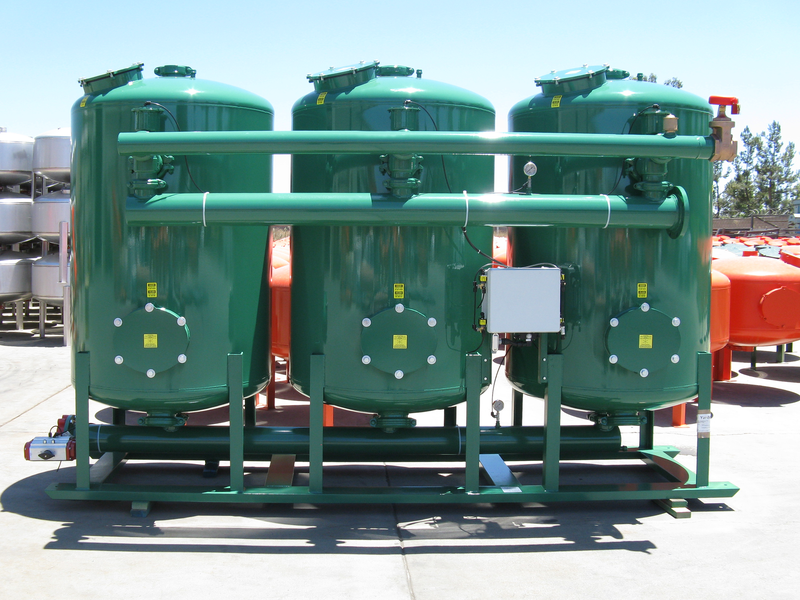
Yardney Water Filtration Systems provides advanced filtration technologies designed for demanding municipal, commercial, and industrial applications. Our experience with automatic backwashing media filters allows us to support treatment processes where efficient particulate removal and dependable operation are critical.
When chromium 6 treatment requires chemical reduction followed by solids removal, properly engineered filtration can contribute to overall process effectiveness. The filtration equipment must be evaluated as part of the complete treatment system, with performance confirmed through appropriate testing and engineering.
Managing Long-Term Treatment Costs and System Performance
Selecting a chromium 6 treatment process involves more than comparing initial equipment costs. Municipal utilities must consider the expenses associated with chemicals, electricity, labor, replacement media, waste handling, and ongoing water quality monitoring.
For example, reduction-based treatment generates solids that must be captured and managed. Ion exchange may produce spent regenerant or exhausted resin, while reverse osmosis generates concentrated reject water. These residual streams can contain chromium and require appropriate handling and disposal.
Filtration performance also influences operating costs. Excessive pressure loss, frequent manual cleaning, and poorly controlled backwashing can increase maintenance demands and disrupt treatment operations. Automatic backwashing filtration systems can help maintain particulate removal performance while reducing the need for manual intervention.
At Yardney Water Filtration Systems, we recognize that long-term filtration reliability is essential for customers responsible for continuous water treatment. Our filtration solutions are designed with durability, operational efficiency, and application-specific performance in mind.
Choosing the Right Chromium 6 Water Treatment Strategy
Developing an effective treatment strategy begins with comprehensive water quality testing. Utilities and facility operators should evaluate chromium 6 concentrations alongside total chromium, pH, alkalinity, iron, manganese, sulfate, dissolved solids, and other constituents that may influence treatment.
The EPA’s overview of drinking water treatment technologies identifies anion exchange and membrane treatment among the technologies capable of addressing chromium 6 and other dissolved contaminants.
The appropriate technology must be selected according to the characteristics of the water and the required treatment results.
Pilot testing can be especially valuable when designing large-scale municipal installations. Testing helps establish chemical requirements, removal efficiency, filtration performance, waste generation, and expected operating conditions before full-scale investment.
Yardney Water Filtration Systems approaches water filtration with an emphasis on matching equipment and media to the application. By understanding the complete treatment process, we can help customers identify where our filtration technologies can support effective water quality management.
Planning for Chromium 6 Compliance and Future Water Quality Requirements
Water utilities must balance immediate compliance needs with long-term infrastructure planning. Treatment systems installed today may remain in operation for decades, making equipment adaptability and maintenance accessibility important considerations.
According to the California State Water Resources Control Board’s hexavalent chromium regulations, compliance deadlines are based on system size: October 1, 2026, for systems serving at least 10,000 service connections; October 1, 2027, for systems serving 1,000–9,999 connections; and October 1, 2028, for smaller systems.
These deadlines reinforce the importance of evaluating treatment capacity, infrastructure readiness, and operational requirements.
Chromium 6 is also part of a broader conversation about emerging contaminants in drinking water. Utilities may need to address arsenic, PFAS, 1,2,3-trichloropropane (1,2,3-TCP), and other water quality concerns, each requiring its own treatment evaluation.
Yardney Water Filtration Systems offers a range of media filtration technologies that can support different treatment objectives. While no single conventional filtration system removes every emerging contaminant, thoughtfully selected filtration equipment can provide an important foundation for comprehensive water treatment infrastructure.
Frequently Asked Questions About Chromium 6 in Drinking Water
Understanding chromium 6 contamination and available treatment methods helps water utilities and facility managers make more informed decisions. The following questions address common concerns about hexavalent chromium filtration and treatment.
Can sand media filtration remove chromium 6 from drinking water?
Conventional sand media filtration does not effectively remove dissolved chromium 6 by itself. However, it may support a treatment process that chemically converts chromium 6 into a form that can be precipitated and filtered. The filtration equipment must be appropriately designed for the resulting solids.
What is the difference between chromium 3 and chromium 6?
Chromium 3 and chromium 6 are different chemical forms of chromium. Chromium 6 is generally more mobile in water and presents greater health concerns. Chromium 3 can form relatively insoluble compounds under suitable conditions, which is why chemical reduction is used in some chromium 6 treatment processes.
What is the drinking water limit for chromium 6 in California?
California established a maximum contaminant level of 10 parts per billion for chromium 6, effective October 1, 2024, with phased compliance deadlines. California also maintains a separate total chromium limit of 50 parts per billion. Public water systems must meet all applicable standards.
How do water utilities determine the best chromium 6 treatment method?
Utilities should begin with laboratory testing and a detailed evaluation of source water chemistry. Treatment selection typically considers chromium concentrations, flow requirements, competing contaminants, operating costs, residual waste management, and regulatory requirements. Pilot testing can help confirm performance before full-scale installation.
Why Partner with Yardney Water Filtration Systems
Addressing chromium 6 in drinking water requires careful planning, appropriate treatment technologies, and dependable filtration equipment. At Yardney Water Filtration Systems, we understand the importance of building water treatment infrastructure that performs consistently under demanding operating conditions.
Our complete line of industrial, commercial, and municipal filtration systems includes Sand Media, Multi-Media, and Granular Activated Carbon technologies, along with specialized media options for applications involving iron, manganese, arsenic, and other water quality challenges. Our filtration experience spans agriculture, golf, turf, landscape, industrial, commercial, and municipal markets, allowing us to apply proven filtration principles across diverse operating environments.
With filtration technology tested in hundreds of applications and thousands of installations, we focus on providing reliable, application-specific solutions. Whether filtration is needed for pretreatment, particulate removal following chemical treatment, or improving overall water system performance, our goal is to help customers select equipment suited to their operational needs.
If your facility is evaluating chromium 6 drinking water treatment, upgrading municipal filtration infrastructure, or addressing increasingly complex water quality requirements, contact Yardney Water Filtration Systems to discuss your application. Call 951.656.6716 or email [email protected] to learn how our advanced water filtration technologies can support your treatment objectives.