Per- and polyfluoroalkyl substances (PFAS) have become one of the most significant challenges facing municipal water utilities, industrial facilities, and other organizations responsible for maintaining water quality. Often called forever chemicals, these synthetic compounds are highly persistent in the environment and can be difficult to remove using conventional water treatment methods.
As regulations become more demanding and concerns about emerging contaminants continue to grow, facility managers and water treatment professionals must evaluate technologies capable of delivering reliable, long-term results. Two of the most widely used approaches are granular activated carbon (GAC) filtration and ion exchange (IX) treatment. Both can effectively reduce PFAS concentrations, but they operate differently and offer distinct advantages depending on water chemistry, contaminant levels, and operational requirements.
At Yardney Water Filtration Systems, we understand that selecting the appropriate water filtration technology requires more than comparing removal percentages. Treatment performance, operating costs, maintenance requirements, and compatibility with existing infrastructure all influence the decision.
Understanding how GAC and ion exchange compare can help municipalities and industrial facilities develop more effective PFAS removal strategies while supporting long-term water treatment performance.
Understanding PFAS Contamination and Why Treatment Is Challenging
PFAS are a large family of manufactured chemicals historically used in products such as firefighting foams, nonstick coatings, stain-resistant materials, and various industrial processes. Their resistance to heat, water, and chemical degradation made them useful in manufacturing, but those same characteristics allow them to persist in groundwater, surface water, and soil.
Two extensively studied compounds are perfluorooctanoic acid (PFOA) and perfluorooctane sulfonic acid (PFOS). However, thousands of PFAS compounds exist, and their chemical characteristics vary considerably. Some have longer carbon chains, while others have shorter chains that behave differently during filtration.
This distinction is important because PFAS treatment effectiveness depends partly on molecular structure. A filtration system that performs exceptionally well with certain long-chain compounds may have difficulty retaining shorter-chain PFAS.
Traditional water treatment processes, including conventional sedimentation and basic particulate filtration, generally do not provide sufficient removal of dissolved PFAS. Effective treatment typically requires specialized adsorption, ion exchange, or membrane separation technologies.
For municipal utilities, the challenge also involves regulatory compliance. The U.S. Environmental Protection Agency’s PFAS drinking water information explains the federal regulatory framework and treatment considerations for these contaminants.
At Yardney Water Filtration Systems, we recognize that municipal water treatment must account for both existing contamination and changing water quality requirements. Understanding the limitations and capabilities of different filtration technologies is essential when developing an effective treatment strategy.
How Granular Activated Carbon Filtration Removes PFAS
Granular activated carbon filtration is one of the most established technologies used to remove PFAS from contaminated water. GAC consists of highly porous carbon particles manufactured from materials such as coal, coconut shells, or other carbon-rich sources.
The carbon undergoes an activation process that creates an extensive internal surface area. As contaminated water passes through the filtration bed, PFAS molecules attach to the carbon surface through a process known as adsorption.
Unlike conventional mechanical filtration, which physically captures suspended particles, adsorption attracts and retains dissolved contaminants on the media surface. This makes GAC particularly useful for treating compounds that cannot be removed through ordinary sediment filtration.
Advantages of GAC for PFAS Treatment
One of the primary advantages of GAC water filtration systems is their established history in municipal and industrial water treatment. Activated carbon has been used for decades to address organic contaminants, taste and odor compounds, and various water quality concerns.
GAC is particularly effective at removing many long-chain PFAS compounds, including PFOA and PFOS. It can also provide broader treatment benefits when other adsorbable organic contaminants are present.
Another advantage is its compatibility with established filtration infrastructure. Properly engineered GAC vessels can be incorporated into existing treatment processes, allowing facilities to add specialized contaminant removal without necessarily replacing their entire water treatment system.
Yardney Water Filtration Systems offers granular activated carbon media filtration as part of our industrial filtration product line. Our experience with engineered media filtration systems supports applications where dependable hydraulic performance and appropriate treatment configurations are essential.
Limitations of Granular Activated Carbon
Although GAC is effective for many PFAS compounds, its performance depends on contaminant characteristics and water chemistry.
Short-chain PFAS generally have a lower affinity for activated carbon than many long-chain compounds. As a result, they may pass through the treatment bed sooner, potentially requiring more frequent media replacement.
Natural organic matter and other dissolved compounds can also compete for adsorption sites, reducing the carbon available to capture PFAS.
Over time, the media approaches its adsorption capacity, allowing contaminants to appear in treated water. This process, called PFAS breakthrough, makes routine sampling and media replacement planning essential.
For facilities considering GAC, proper system sizing, empty bed contact time, contaminant monitoring, and media management are critical to maintaining reliable treatment performance.
How Ion Exchange Technology Removes PFAS
Ion exchange filtration uses specially manufactured resin beads containing electrically charged functional groups. These groups attract dissolved contaminants with opposite electrical charges.
Many PFAS compounds exist as negatively charged ions under typical drinking water conditions. Anion exchange resins can capture these compounds as contaminated water moves through the treatment vessel.
Unlike activated carbon, which relies primarily on adsorption interactions, ion exchange uses electrostatic attraction along with other chemical interactions to retain PFAS.
Specialized PFAS-selective resins are designed to provide strong contaminant retention, making ion exchange an important option for drinking water and industrial treatment applications.
Advantages of Ion Exchange for PFAS Removal
Ion exchange can offer high removal efficiency for numerous PFAS compounds, including some shorter-chain substances that may be more challenging for activated carbon.
Specialized resins may also provide greater treatment capacity for particular PFAS mixtures, potentially extending the time between media replacements under favorable operating conditions.
Because ion exchange systems can achieve substantial contaminant removal within relatively compact treatment vessels, they may be attractive to facilities with limited installation space.
The technology can be particularly valuable when treatment objectives involve very low PFAS concentrations or when water quality characteristics make conventional carbon adsorption less efficient.
Limitations of Ion Exchange Treatment
Ion exchange performance is influenced by water chemistry, including sulfate, nitrate, chloride, dissolved organic matter, and other substances that may compete with PFAS for resin capacity.
Resin selection is therefore extremely important. Not every anion exchange resin is designed for PFAS removal, and different products can exhibit substantially different performance.
Another consideration is spent resin management. Some ion exchange systems use single-use resins that must be replaced and appropriately disposed of after reaching their treatment capacity. Regenerable systems introduce additional considerations involving chemical use and contaminated waste streams.
Facilities must also consider pressure loss, pretreatment requirements, resin lifespan, and the total cost of ownership before selecting this technology.
At Yardney Water Filtration Systems, we emphasize evaluating the complete treatment process rather than viewing individual technologies in isolation. Effective upstream filtration can help protect downstream PFAS treatment equipment and maintain more consistent operating conditions.
Granular Activated Carbon vs. Ion Exchange: Comparing Performance
The decision between GAC vs. ion exchange for PFAS removal depends on several operational and water quality factors. Neither technology is universally superior.
The following comparison highlights important differences.
| Treatment factor | Granular activated carbon | Ion exchange |
| Primary mechanism | Surface adsorption | Ionic attraction and other resin interactions |
| Long-chain PFAS | Generally effective | Generally effective |
| Short-chain PFAS | Often more challenging | Specialized resins may perform better |
| Treatment footprint | May require larger vessels | Can be more compact |
| Other organic contaminants | Can provide additional adsorption benefits | Depends on resin selectivity |
| Media management | Carbon replacement or off-site reactivation | Resin replacement or regeneration, depending on design |
| Cost considerations | Carbon consumption and replacement frequency | Resin costs, capacity, and waste management |
Which Technology Offers Better Removal Efficiency?
For water containing predominantly long-chain PFAS, GAC may provide effective treatment with familiar operating procedures and established equipment configurations.
When shorter-chain compounds are present or extremely low treatment targets must be achieved, specialized ion exchange resins may offer advantages. However, actual performance must be established through water analysis and appropriate treatability testing.
The EPA’s overview of PFAS drinking water treatment technologies discusses the role of activated carbon, ion exchange, and membrane treatment in reducing PFAS contamination.
The important consideration is not simply which technology achieves the highest removal percentage under laboratory conditions. Facilities must determine which treatment approach can maintain required performance throughout the media’s operating life.
Which Technology Is More Cost-Effective?
PFAS treatment costs include equipment installation, media procurement, energy consumption, monitoring, maintenance, and spent media handling.
GAC may be economically attractive where water chemistry supports long media life and established carbon replacement services are available.
Ion exchange may provide lower overall costs in certain applications because of its capacity, smaller equipment footprint, or longer service life. However, specialized resin prices and disposal requirements can offset these advantages.
A meaningful comparison should evaluate cost per volume of treated water over the expected operating period rather than focusing exclusively on initial equipment prices.
Why Pretreatment Matters for Both PFAS Removal Technologies
Regardless of whether a facility chooses granular activated carbon or ion exchange, water pretreatment can significantly influence the performance and longevity of downstream equipment.
Suspended solids, sediment, and other particulate contaminants can accumulate within treatment beds, increasing pressure loss and interfering with consistent water distribution. Iron and manganese deposits may also contribute to fouling when these constituents are present in forms that precipitate.
Yardney Water Filtration Systems specializes in sand media filtration, multi-media filtration, and granular activated carbon systems designed for demanding industrial and commercial applications.
Our filtration expertise allows us to help facilities evaluate how mechanical filtration, media selection, and system configuration contribute to overall treatment reliability. Appropriate pretreatment can reduce particulate loading before water reaches specialized PFAS removal equipment.
Importantly, sand and conventional multi-media filtration should not be confused with technologies that remove dissolved PFAS. Their primary role is controlling suspended material and supporting downstream treatment performance.
Can Granular Activated Carbon and Ion Exchange Work Together?
For certain water sources, combining GAC and ion exchange may provide advantages over using either technology independently.
A treatment process might use GAC to reduce organic compounds and longer-chain PFAS before water enters an ion exchange system designed to target additional contaminants. This arrangement can potentially reduce competing substances and improve overall treatment efficiency.
However, combining technologies does not automatically produce better results. Additional vessels, media replacement requirements, and operating complexity must be justified by measurable improvements.
Yardney Water Filtration Systems approaches filtration as part of a larger water management strategy. By considering pretreatment requirements, filtration capacity, and operational conditions, we help customers identify practical ways to support specialized treatment processes.
Selecting PFAS Treatment for Municipal and Industrial Applications
Municipal water utilities often operate under demanding conditions involving fluctuating water demand, changing source water characteristics, and strict drinking water requirements.
Before selecting municipal PFAS filtration systems, utilities should evaluate contaminant concentrations, PFAS composition, seasonal water quality changes, and projected treatment volumes. Pilot testing or other appropriate treatability evaluations can help establish expected media life and replacement schedules.
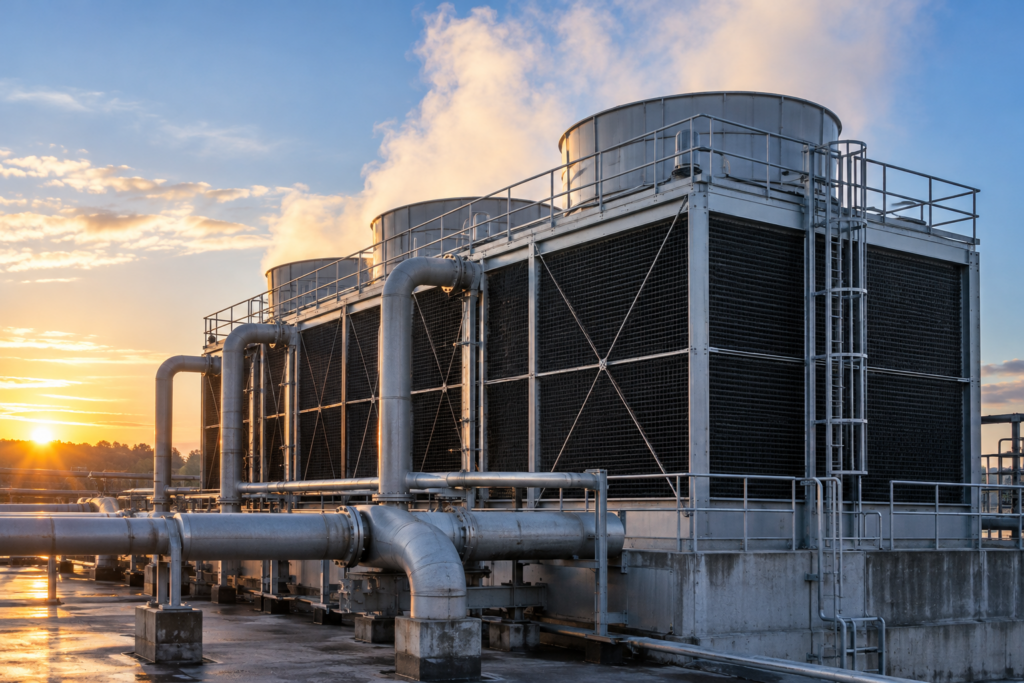
Industrial facilities face additional considerations. Manufacturing processes, cooling systems, and water reuse operations may contain dissolved minerals, organic compounds, or suspended materials that affect treatment performance.
At Yardney Water Filtration Systems, our experience extends across municipal, industrial, commercial, agricultural, golf, turf, and landscape applications. We understand that filtration requirements vary substantially between facilities and that equipment must be engineered around actual operating conditions.
Our product line includes backwashing sand media, multi-media, and GAC filtration technologies, along with specialized media options for selected applications involving iron, manganese, arsenic, and other contaminants.
For customers facing multiple water quality challenges, the goal is to develop a coordinated treatment approach rather than assuming a single filtration technology can address every contaminant.
Frequently Asked Questions About GAC and Ion Exchange for PFAS Removal
Choosing between granular activated carbon and ion exchange for PFAS removal often raises questions about effectiveness, maintenance, and long-term treatment requirements.
Is granular activated carbon effective at removing all PFAS compounds?
No. GAC is effective at removing many PFAS compounds, particularly longer-chain substances such as PFOA and PFOS. However, shorter-chain compounds may break through the carbon bed sooner. Removal effectiveness depends on carbon characteristics, contact time, water chemistry, and contaminant concentrations.
Is ion exchange always better than activated carbon?
Not necessarily. Specialized ion exchange resins may outperform GAC for certain PFAS mixtures, particularly those containing shorter-chain compounds. However, GAC may offer advantages in applications involving multiple organic contaminants, established infrastructure, or favorable operating costs. The best choice depends on site-specific testing and treatment objectives.
How often must PFAS filtration media be replaced?
Replacement frequency depends on contaminant loading, flow rate, media capacity, and water chemistry. Some systems may operate for extended periods before requiring replacement, while others experience earlier breakthrough. Regular treated-water sampling and performance monitoring are necessary to determine appropriate replacement intervals.
Can conventional sand filtration remove PFAS from drinking water?
Conventional sand filtration generally does not remove dissolved PFAS effectively. However, it can remove suspended solids and other particulate materials that interfere with downstream treatment. Properly designed sand or multi-media pretreatment can therefore support the performance and service life of GAC and ion exchange systems.
Why Partner with Yardney Water Filtration Systems
Selecting an effective PFAS water treatment solution requires understanding both the contaminants present and the operating demands of the facility. At Yardney Water Filtration Systems, we bring extensive experience in advanced filtration technologies designed to deliver reliable performance across municipal, industrial, and commercial applications.
Our comprehensive product line includes sand media, multi-media, and granular activated carbon filtration systems, along with specialized media options for challenging water quality conditions. We focus on helping customers evaluate their filtration requirements and identify equipment configurations suited to their applications.
From municipal water treatment and industrial process water to agricultural irrigation and landscape filtration, Yardney Water Filtration Systems combines proven design principles with application-specific engineering expertise. Whether a facility needs GAC filtration or upstream pretreatment to support a broader PFAS removal process, we understand the importance of reliable equipment, efficient operation, and long-term performance.
Contact Yardney Water Filtration Systems to discuss your water quality challenges and explore filtration solutions tailored to your facility. Call 951.656.6716 or email [email protected] to learn how our filtration expertise can support your water treatment goals.