PFAS Water Filtration Systems for Municipal Treatment

PFAS filtration for municipal water uses adsorptive media such as granular activated carbon or ion exchange resin, backed by solids control that keeps those media working.
Yardney Free Flow PFAS systems are engineered for GAC, IX resin, or dual media designs, built to ASME Section VIII, Division 1 with NSF-61 linings.
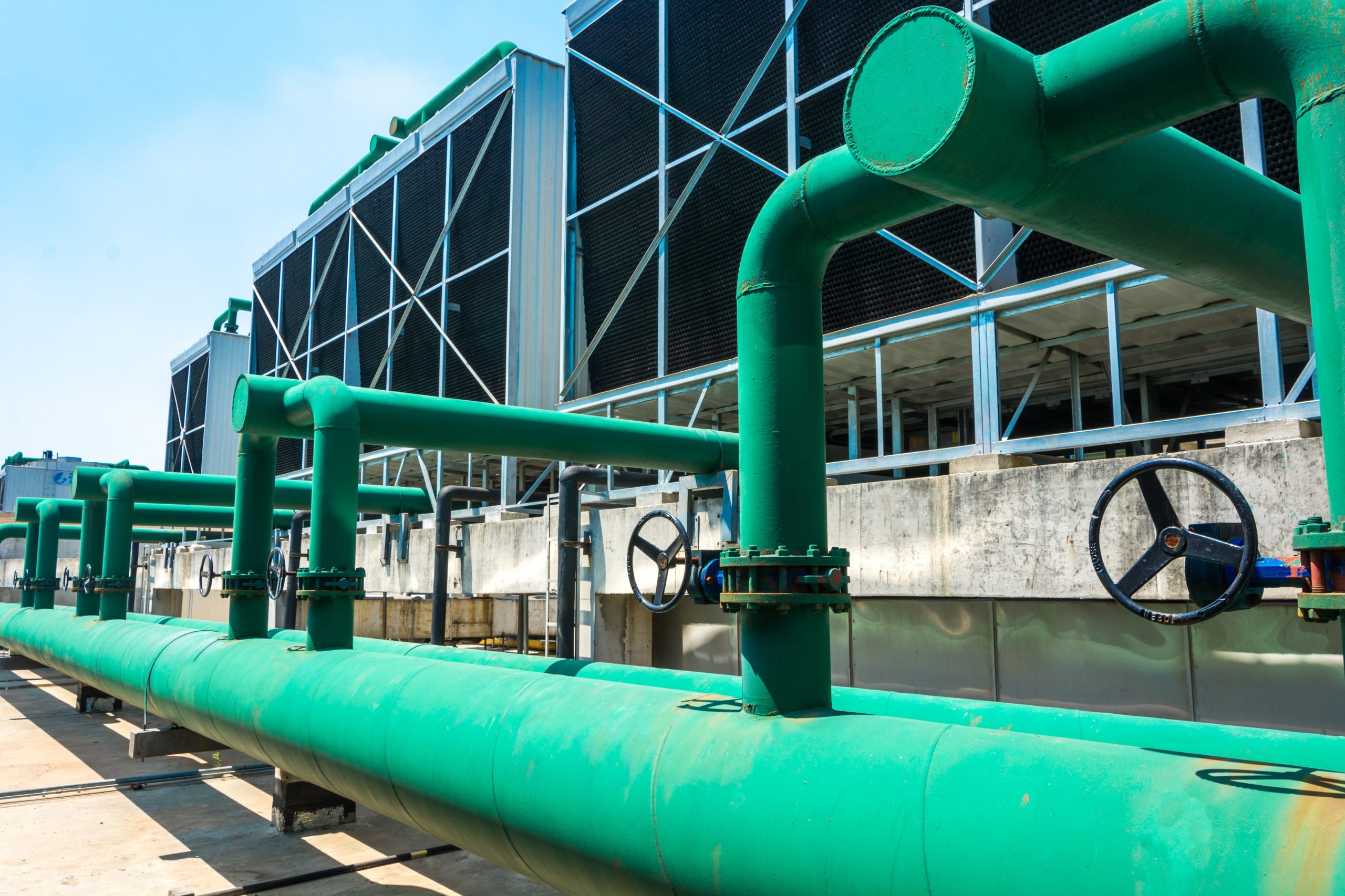
PFAS treatment often involves advanced media or separation processes that benefit from strong pretreatment and solids control. Suspended solids can foul or shorten the life of the downstream PFAS-focused system.
EPA identifies granular activated carbon, anion exchange, and membrane processes such as reverse osmosis and nano filtration as proven technologies for PFAS in drinking water. Each depends on stable inflow, and spent GAC or resin has to be replaced once it is full.
Yardney Free Flow systems are engineered for removal of PFAS and other emerging contaminants in drinking water, wastewater, and groundwater treatment. They target both short-chain and long-chain PFAS compounds and can be configured with GAC, IX resin, or a dual media design with one vessel of each.
Each system is tailored to the site and scaled to the flow. The design operating pressure is 125 psi, with high-pressure configurations available on request. Standard two-vessel systems come in two sizes, model 12096-2M for 1,000 to 1,500 gpm and model 14460-2M for 1,500 to 2,200 gpm, piped lead/lag, lag/lead, parallel, or series.
Applications
Design Features (Free Flow PFAS)
Available Options

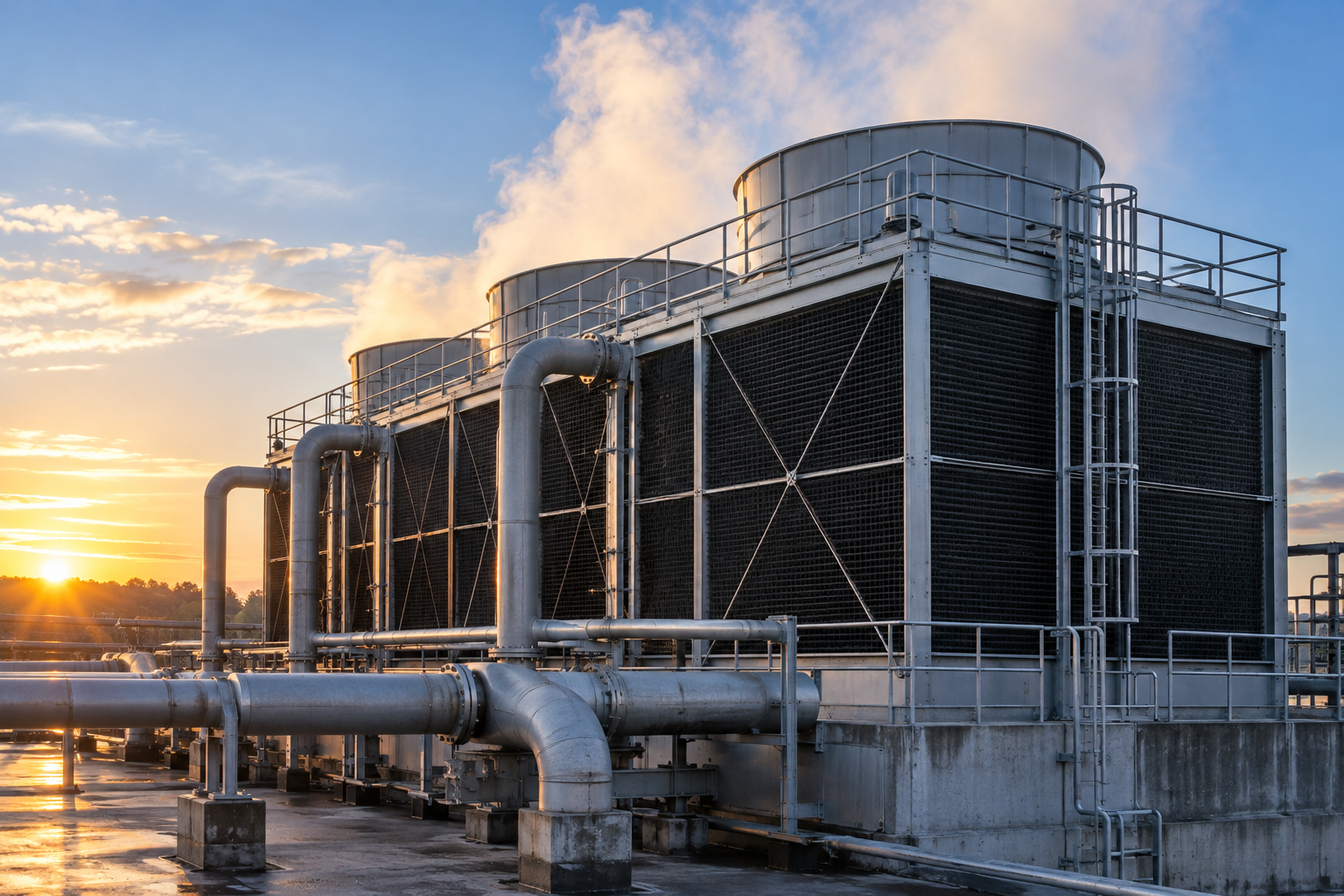
Yardney lists typical GAC beds at 7 to 12 feet with a 10 to 15 minute empty bed contact time, and IX resin beds at 3 to 5 feet with 1.5 to 3 minutes. Final design depends on the water chemistry and treatment goals, so each system is sized from site data.
Free Flow PFAS: GAC, IX resin, or dual media; 125 psi standard; NSF-61 linings; designed for short-chain and long-chain PFAS
Multi Media: organic and inorganic suspended solids down to 5 microns; backwash starts automatically by elapsed time or pressure differential
Large Vessel: vessels up to 144 inches in sand, multi media, GAC, or IX resin, for higher municipal flows
Saguenay, Québec, has operated a mobile PFAS water treatment system since January 2024 as a temporary measure while a long-term approach is investigated. The project includes a Yardney system with four 54-inch vessels, rated for 320 to 955 gpm at 100 psi.
The case study describes the installation and does not report PFAS removal results.
It is treatment that removes per- and polyfluoroalkyl substances from drinking water, usually with GAC, ion exchange resin, or membranes, supported by pretreatment that controls suspended solids.
EPA identifies granular activated carbon, anion exchange, reverse osmosis, and nanofiltration as proven technologies. Yardney Free Flow systems use GAC, IX resin, or both.
Suspended solids can foul or shorten the life of downstream PFAS media. Filtration ahead of the vessels supports more stable operation.
Yes. Free Flow systems can run as GAC, IX resin, or a dual media design with one vessel of each, chosen for the water quality at your site.
Free Flow vessels carry NSF-61 internal linings on all wetted surfaces, and Yardney lists NSF-61 certified components for potable water applications. Treatment performance and regulatory compliance depend on your water and local rules, so Yardney reviews each site.