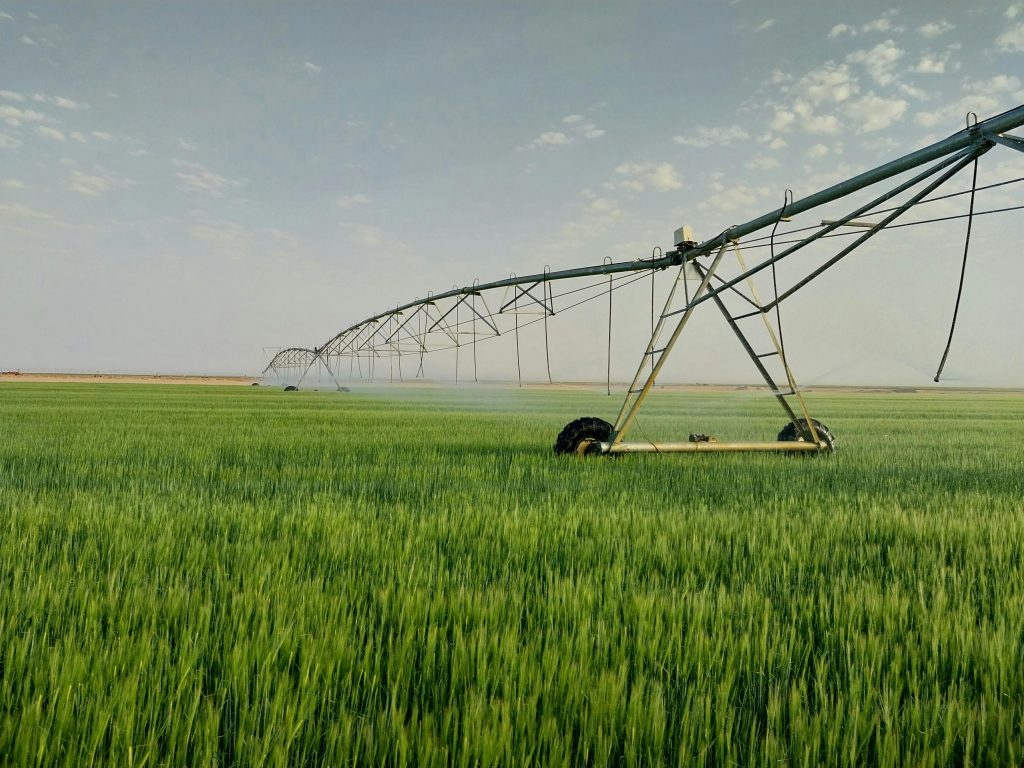
From row crops to orchards and vineyards, agricultural irrigation water often carries sand, silt, algae, and organic debris that can clog emitters, damage pumps, and reduce uniformity across the field. Yardney-style filtration helps protect drip and micro systems by removing suspended solids before they reach laterals and emitters, improving distribution consistency, reducing maintenance labor, and extending the life of irrigation components—especially when water sources vary seasonally or come from surface supplies.
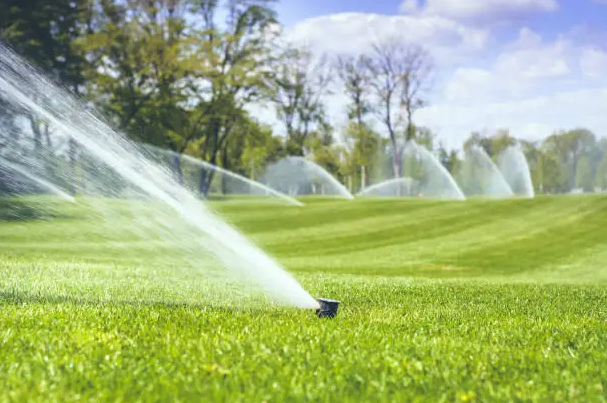
Golf course irrigation systems demand consistent performance across greens, tees, and fairways, where even minor plugging can create dry spots and turf stress. Filtration for golf applications is designed to handle sand, organics, and algae while maintaining stable flow and pressure to sprinklers and control valves, helping crews reduce nozzle blockages, prevent inconsistent coverage, and keep turf quality high with less downtime and fewer repairs.
Landscape irrigation systems often operate with mixed water sources and intermittent schedules, which can increase debris buildup and clogging risk in spray heads, drip lines, and valves. Effective pre-filtration removes sand, scale, and organic material before water enters distribution zones, helping maintain reliable operation across residential, commercial, and campus landscapes while reducing callbacks, maintenance frequency, and premature component wear.

Turf irrigation—sports fields, parks, and large turf areas—requires dependable flow, consistent coverage, and protection against nozzle and valve fouling. Filtration helps remove suspended solids and biological matter that contribute to plugging and uneven distribution, supporting healthier turf, fewer irrigation interruptions, and more predictable system performance during peak watering cycles.