
Wastewater Filtration Systems

Wastewater filtration removes suspended solids and debris from industrial and commercial wastewater so downstream treatment, discharge, or reuse can run reliably.
Yardney deep bed, sand media, and Maxi Flush screen filters are built for wastewater clean-up, with backwash cleaning that keeps them in service.
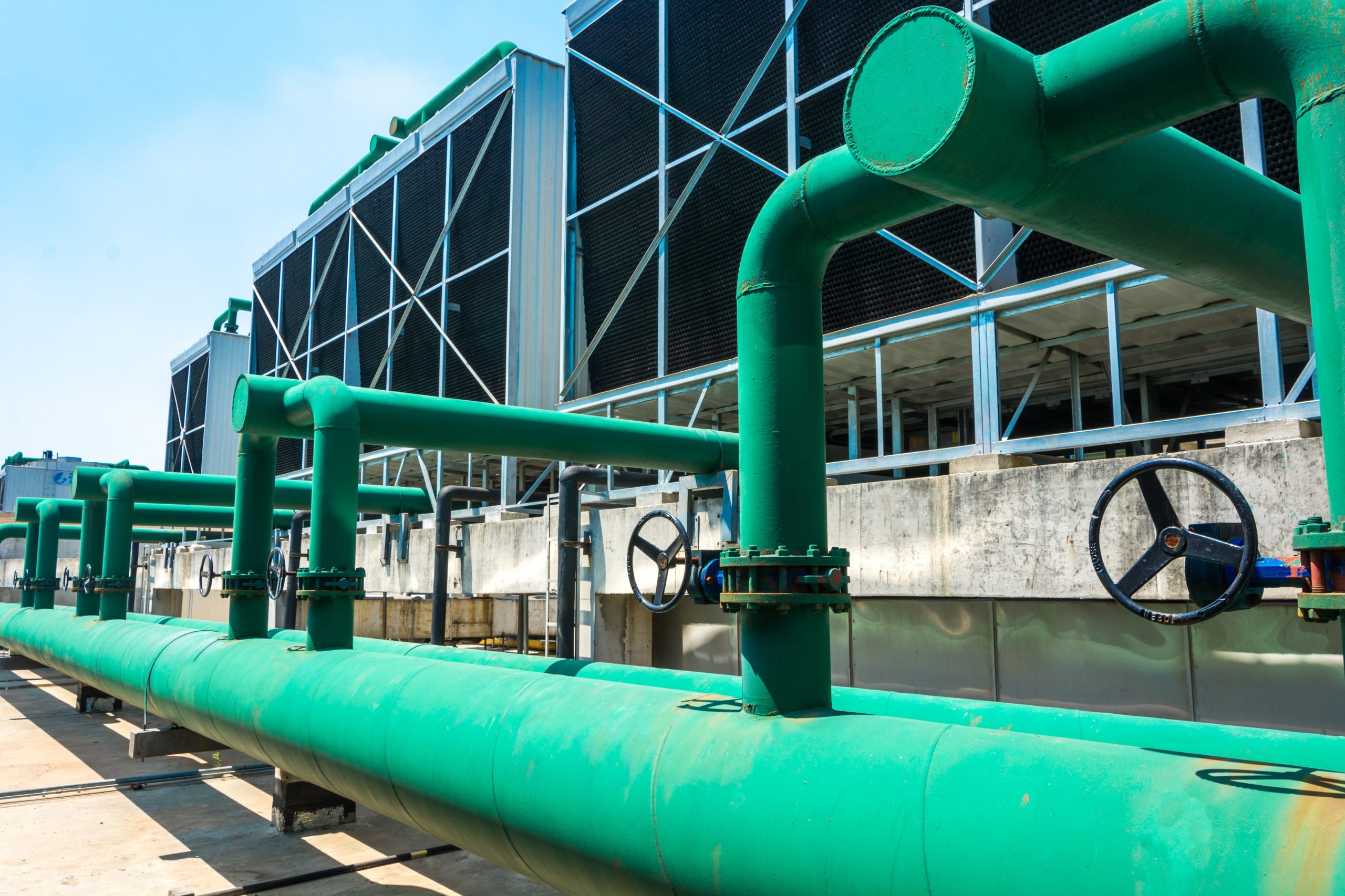
Industrial and commercial wastewater often carries debris and suspended solids that cause plugging and equipment wear. Influent also shifts with flow and load cycles, which makes consistent treatment harder to maintain.
Filtration is also used as a polishing step that removes suspended solids before disinfection, discharge, or reuse. Removing solids early protects downstream treatment, reduces maintenance, and supports compliance goals.
Protect Downstream Treatment: Remove solids before they reach stages that depend on a stable stream.
Reduce Plugging and Wear: Keep debris and suspended solids from clogging and wearing pumps, nozzles, and piping.
Support Compliance Goals: Lower suspended solids to help meet discharge targets.
Open Reuse Options: Cleaner water gives reuse and recovery strategies more to work with.
Yardney Deep Bed Sand Media filters remove organic and inorganic suspended solids down to 15 microns, with reverse-stacked media for progressive filtration through the depth of the bed. Systems ship complete on a skid, with tanks, valves, manifolds, controller, tubing, solenoids, and a removable underdrain, ready for water and power hookup.
Sand Media filters (20 microns) and Maxi Flush screen filters (75 microns, 250 gpm and up) cover other flows and solids loads. The right configuration depends on your flow, the solids in your wastewater, and your discharge or reuse goals.
Applications
Standard Assembly Includes (media systems)
Available Options

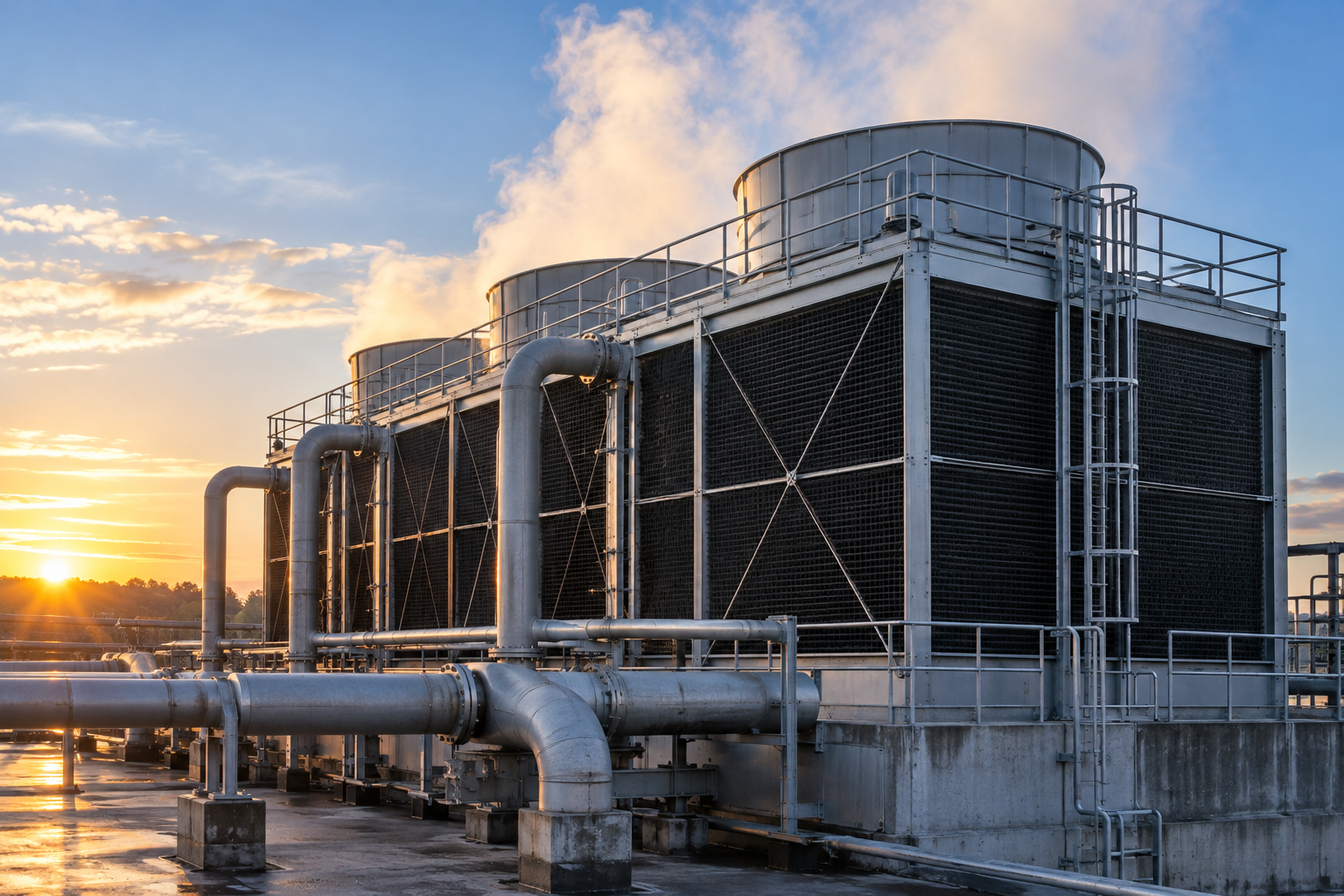
Filtration removes suspended solids, not dissolved contaminants. Biological and chemical treatment needs are handled by other stages.
Deep Bed Sand Media: organic and inorganic suspended solids down to 15 microns; 36-inch side shell; from 10 gpm
Sand Media: organic and inorganic suspended solids down to 20 microns; backwash runs one tank at a time
Maxi Flush Screen: down to 75 microns, 40 to 200 mesh cartridges, flows from 250 gpm, automatic backwash
It removes suspended solids and debris from wastewater before it is treated further, discharged, or reused, which protects equipment and steadies downstream treatment.
Filtration can sit ahead of a treatment stage to protect it, or serve as a polishing step before disinfection, discharge, or reuse. The right point depends on your system and permit.
It depends on the solids and flow. Sand Media filters remove suspended solids down to 20 microns, Deep Bed down to 15, and Maxi Flush screens down to 75 microns at 250 gpm and up. Send Yardney your water data for a recommendation.
Filtration removes suspended solids, which can help with solids-related limits. Whether that is enough depends on your permit and any dissolved contaminants, so Yardney can review your site data.
No. Filtration removes suspended solids only. Biological and chemical treatment needs, and dissolved contaminants, are handled by other stages.