
Storm Water Runoff Filtration Systems

Storm water runoff filtration removes sand, silt, organic debris, and other suspended solids from site runoff before it is discharged, recovered, or treated further.
Yardney sand media and large-vessel systems are skid-mounted and fully assembled, and centrifugal separators take out heavy sand and grit first.
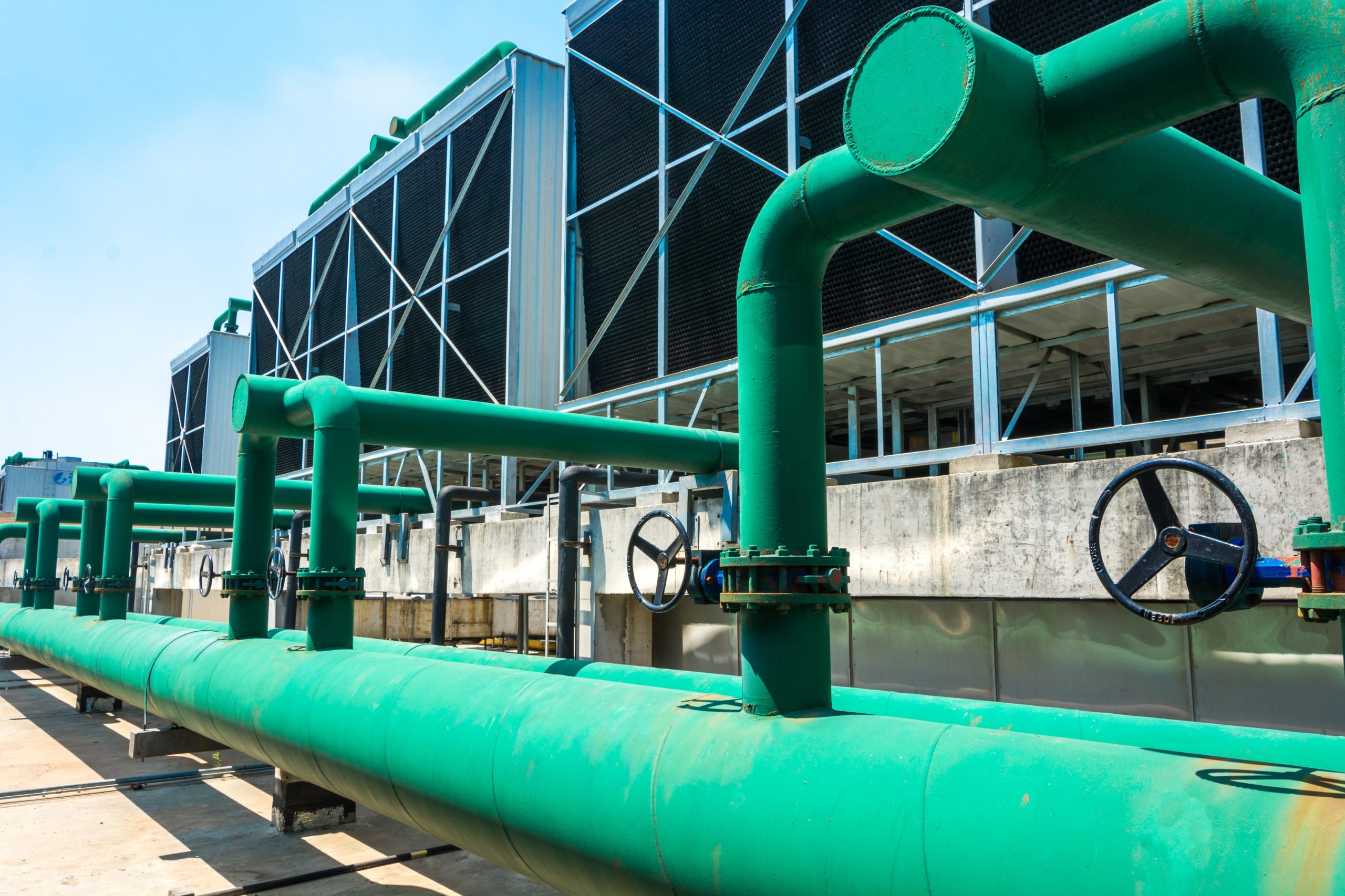
Storm water runoff can carry heavy solids loads, including sand, silt, organic debris, and site contaminants, which creates challenges for compliance and reuse. Flows and loads peak during storm events, and solids that settle in basins and piping add to cleanout work.
Sediment and debris also clog downstream treatment practices and shorten their life, which is why pretreatment is a common step in storm water design. Removing solids early improves downstream treatment efficiency, reduces sediment buildup, and supports cleaner discharge or recovery during peak runoff events.
Reduce Sediment Buildup: Capture solids that would otherwise settle in basins and piping.
Improve Treatment Efficiency: Give downstream treatment a cleaner stream during peak events.
Support Cleaner Discharge: Remove suspended solids early to help meet discharge goals.
Enable Recovery: Cleaner runoff supports reuse and recovery strategies.
Yardney Sand Media filters remove organic and inorganic suspended solids down to 20 microns, with enhanced solids capacity versus single-media sand filtration. Storm water runoff is a listed application, alongside industrial process water, incoming plant water, and wastewater clean-up.
Each system ships complete on a skid, ready for water and power hookup. For larger flows, Yardney Large Vessel systems use vessels up to 144 inches in diameter, and a centrifugal sand separator can remove heavy sand and grit ahead of the media.
Applications
Standard Assembly Includes (media systems)
Available Options

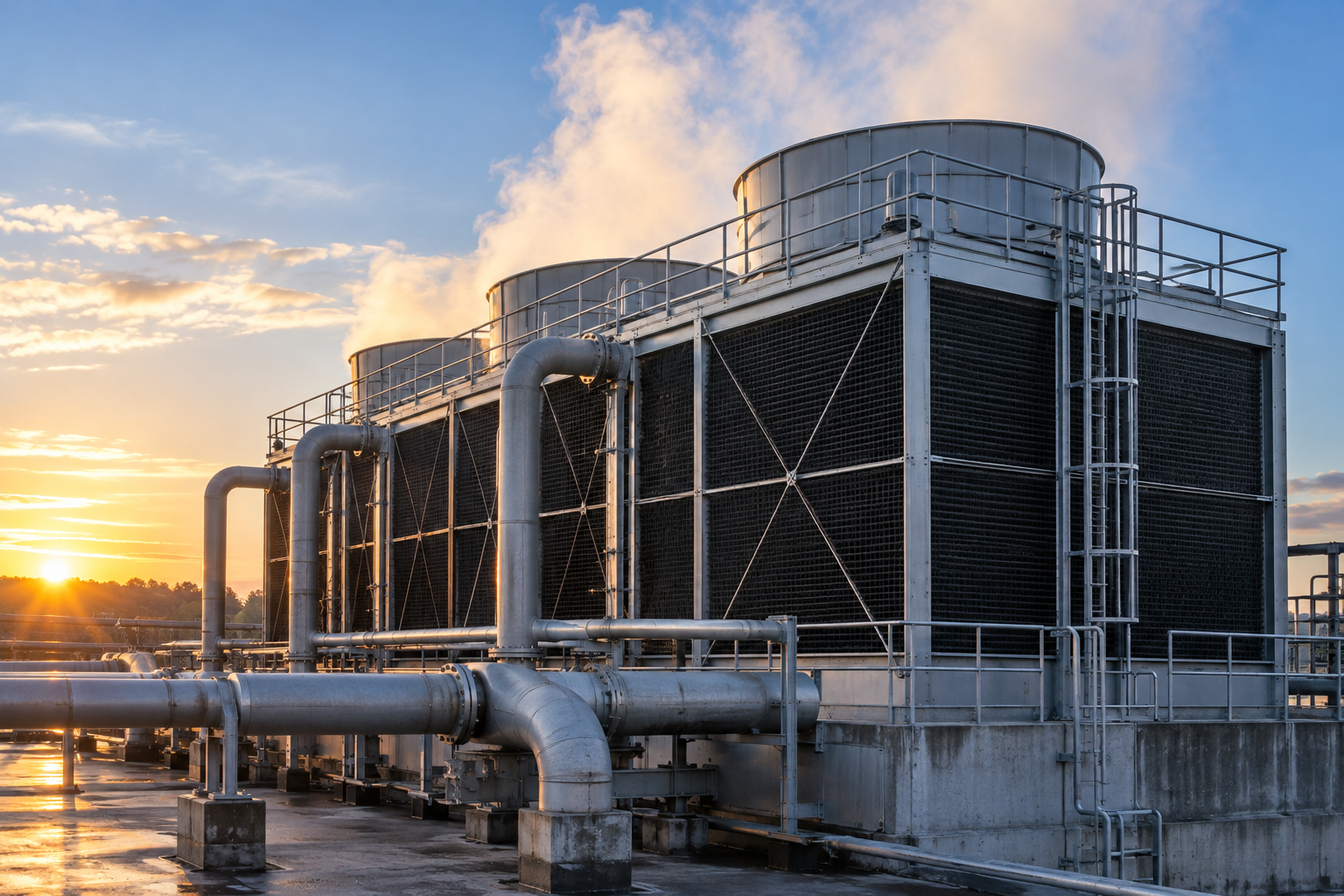
Filtration removes suspended solids. Dissolved and site-specific contaminants need separate evaluation and treatment.
Centrifugal Sand Separator: solids with a specific gravity of 2 or greater, 98% down to 75 microns; manual or automatic purge; flows from 4 gpm
Sand Media: organic and inorganic suspended solids down to 20 microns; backwash runs one tank at a time
Large Vessel Systems: sand media, multi media, GAC, and IX resin vessels up to 144 inches in diameter; storm water runoff listed as an application
It removes sand, silt, organic debris, and other suspended solids from runoff before the water is discharged, recovered, or treated further.
Solids clog downstream treatment and settle in basins and piping. Removing them early improves treatment efficiency and reduces cleanout work, especially during peak events.
Sand Media and Large Vessel filters list storm water runoff as an application. Sand Media removes suspended solids down to 20 microns, and centrifugal separators handle heavy sand and grit. Yardney can review your site.
Systems are sized to your flow rate, solids, and discharge goals. Large Vessel systems use vessels up to 144 inches in diameter, and a separator can take heavy sand and grit first. Separators must be sized within their flow range for proper centrifugal action.
Permits vary by location and site. Filtration removes suspended solids, and whether that satisfies your permit depends on its limits and on dissolved or site-specific contaminants.