Prefiltration Systems for RO, Ion Exchange, UV & Membranes
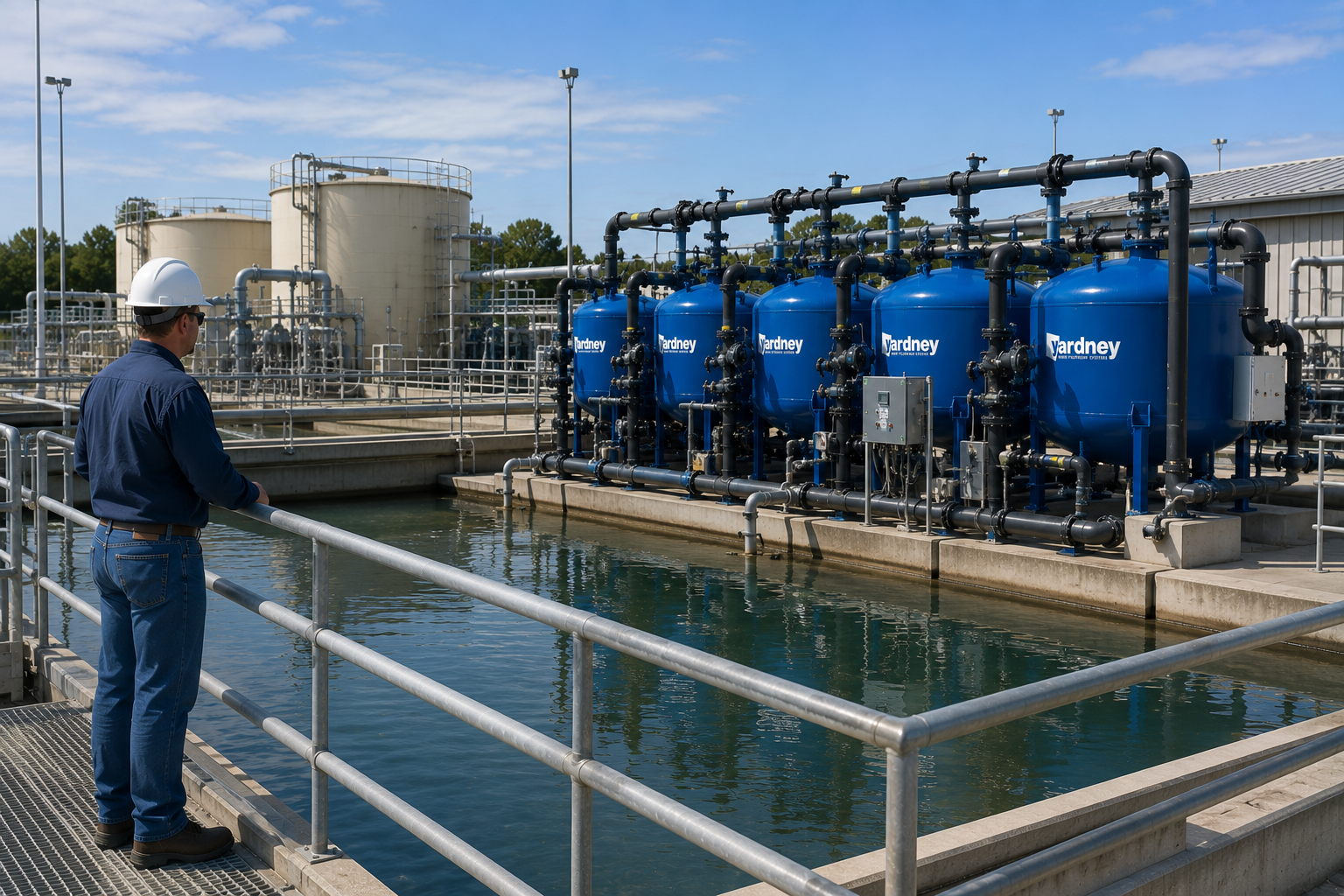
Prefiltration removes suspended solids from incoming water before it reaches reverse osmosis, ion exchange, ultraviolet, or membrane treatment, so those stages can do their job.
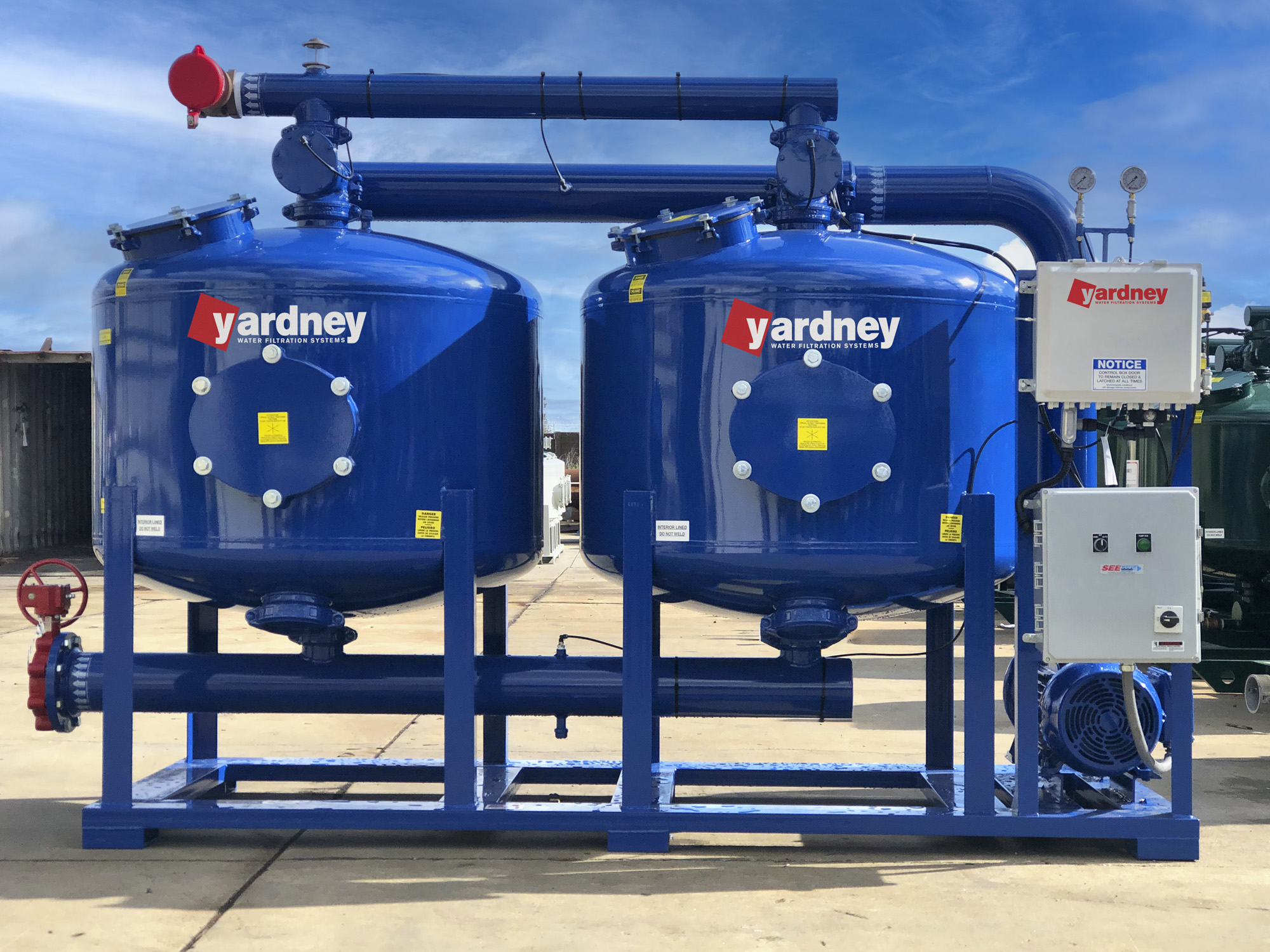
Yardney sand media, deep bed, and multi media filters are skid-mounted and fully assembled, rated down to 20, 15, and 5 microns.
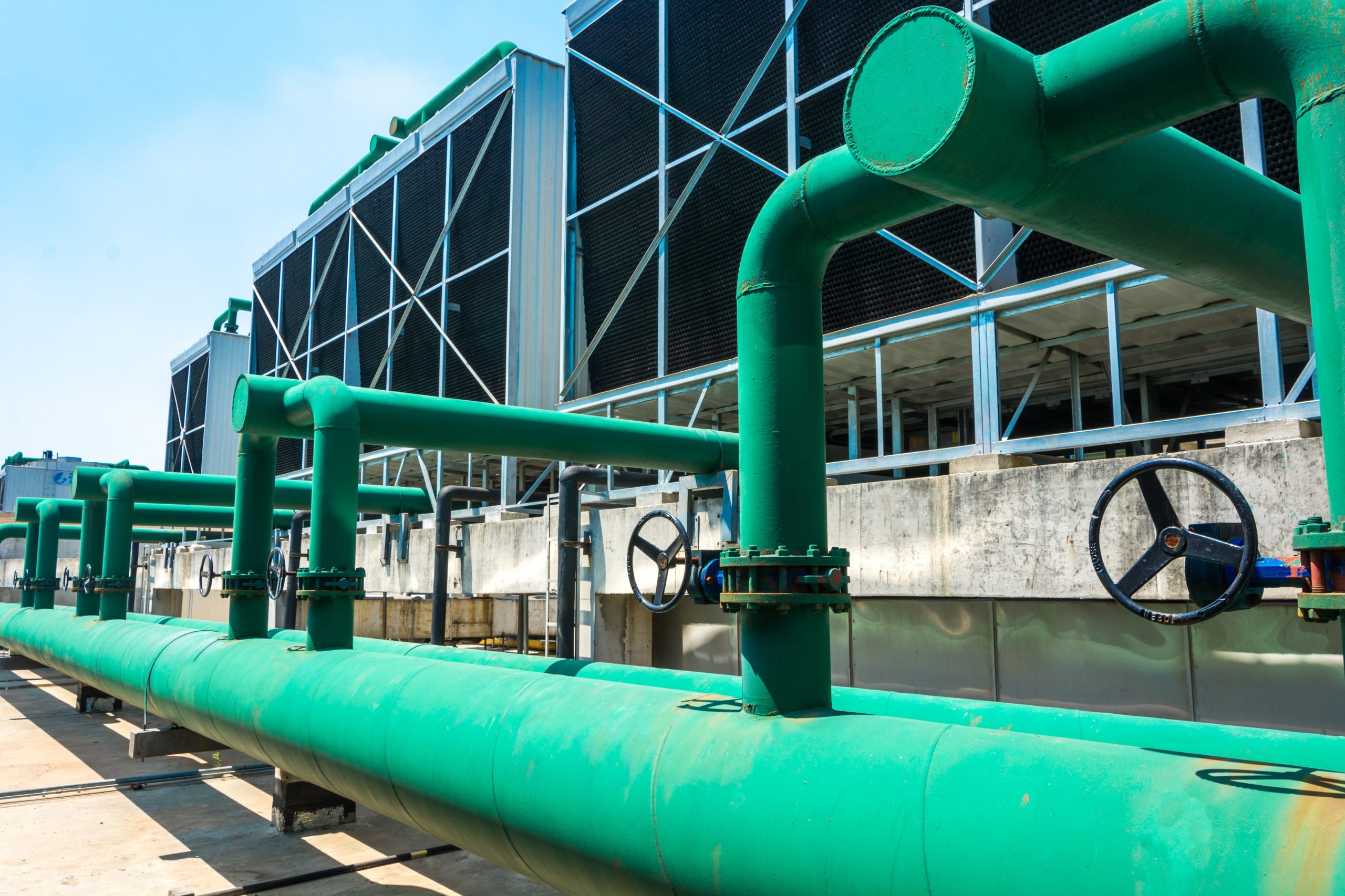
Reverse osmosis membranes remove dissolved salts and ions, but particulates in the feed water can foul them. Suspended solids can deposit on the membrane surface and lodge in its pores, which raises pressure and energy use and increases cleaning.
Ion exchange, ultraviolet, and membrane stages depend on clean feedwater too. Particulates can foul resin beds and restrict flow, suspended solids and turbidity can shield microorganisms from UV light, and microfiltration and ultrafiltration membranes are sensitive to solids loading. Filtering solids out first stabilizes the stream and protects each downstream stage.
Protect Membranes: Reduce the particulate load that fouls reverse osmosis and other membranes.
Support UV Performance: Remove suspended solids that can disrupt ultraviolet treatment.
Stabilize Feedwater: Give downstream treatment a more consistent stream to work with.
Reduce Maintenance: Capture solids upstream so downstream stages need less cleaning.
Yardney Sand Media, Deep Bed Sand Media, and Multi Media filters remove organic and inorganic suspended solids and are used as pre-filtration ahead of granular activated carbon, reverse osmosis, cartridge or bag filtration, and deionized water systems.
Reverse-stacked media gives progressive filtration through the depth of the bed, and performance can be modified to target a given particle size range. Yardney Large Vessels add sand media, multi media, GAC, and IX resin vessels up to 144 inches in diameter.
Applications
Standard Assembly Includes (media systems)
Available Options
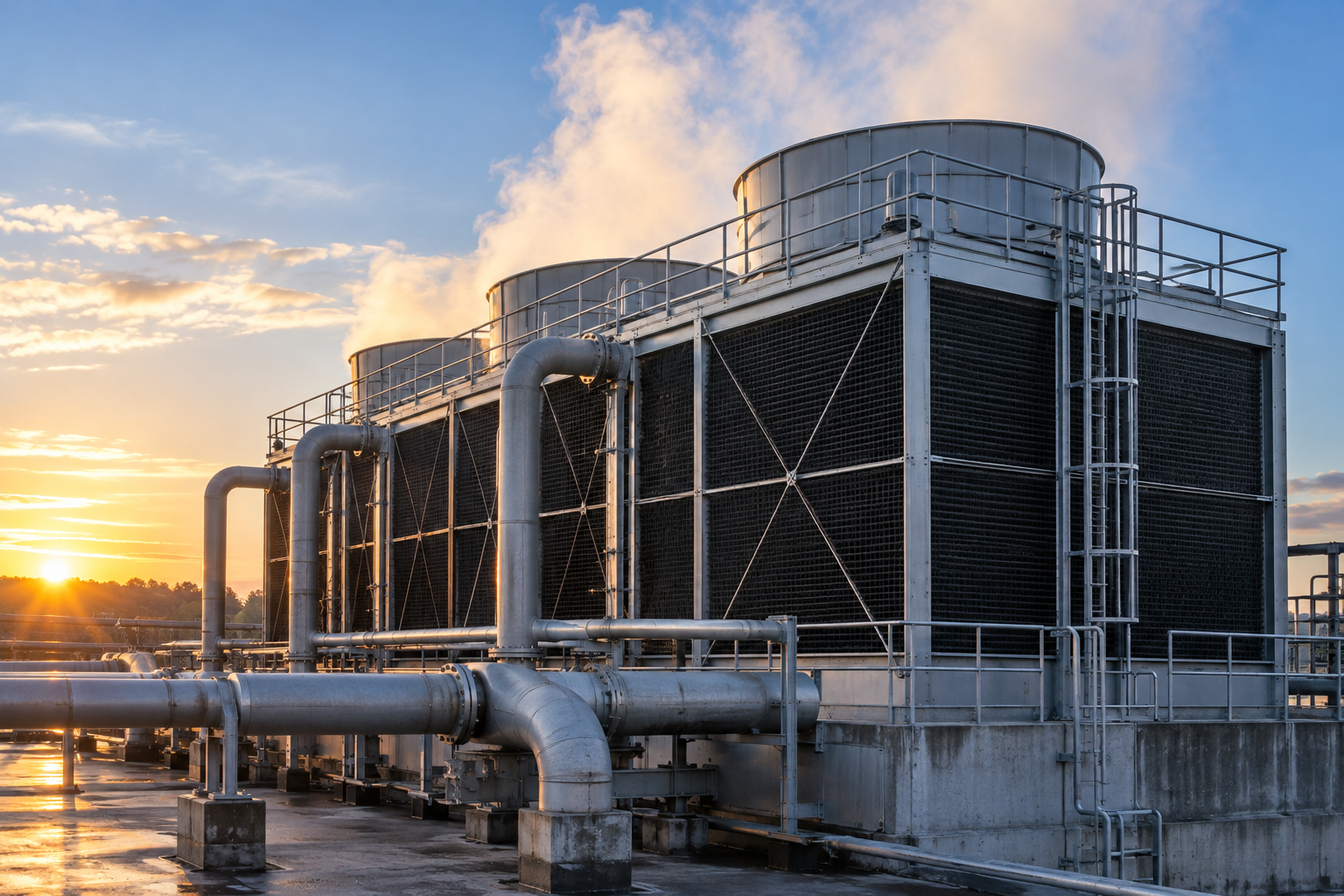
Prefiltration removes suspended solids. Dissolved salts and contaminants are handled by the downstream treatment stage.
Sand Media: organic and inorganic suspended solids down to 20 microns; 24-inch side shell; from 10 gpm
Deep Bed Sand Media: organic and inorganic suspended solids down to 15 microns; 36-inch side shell; from 10 gpm
Multi Media: organic and inorganic suspended solids down to 5 microns; 60-inch side shell; from 10 gpm
Prefiltration removes suspended solids from water before it reaches a downstream treatment stage such as reverse osmosis, ion exchange, ultraviolet, or membrane treatment, protecting that equipment and stabilizing the feed.
RO membranes remove dissolved salts and ions, but particulates in the feed can foul them. Pretreatment that consistently removes solids helps limit that fouling and the cleaning it requires.
It depends on the downstream requirement. Yardney Sand Media filters remove suspended solids down to 20 microns, Deep Bed down to 15, and Multi Media down to 5. Performance can also be adjusted for a given particle size range.
No. Media filters remove suspended solids. Dissolved salts and contaminants are removed by downstream treatment such as reverse osmosis or ion exchange.
Yes. Yardney Large Vessels include sand media, multi media, granular activated carbon, and ion exchange resin vessels up to 144 inches in diameter, and Yardney also offers GAC systems and specialty medias.