
Laundromat Water Filtration Systems

Laundromat water filtration removes suspended solids from wash and rinse water so pumps and piping stay protected and reuse loops keep working.
Yardney sand media and Mini Media filters cover lower flows, and Maxi-Clean screen filters handle higher-flow loops.
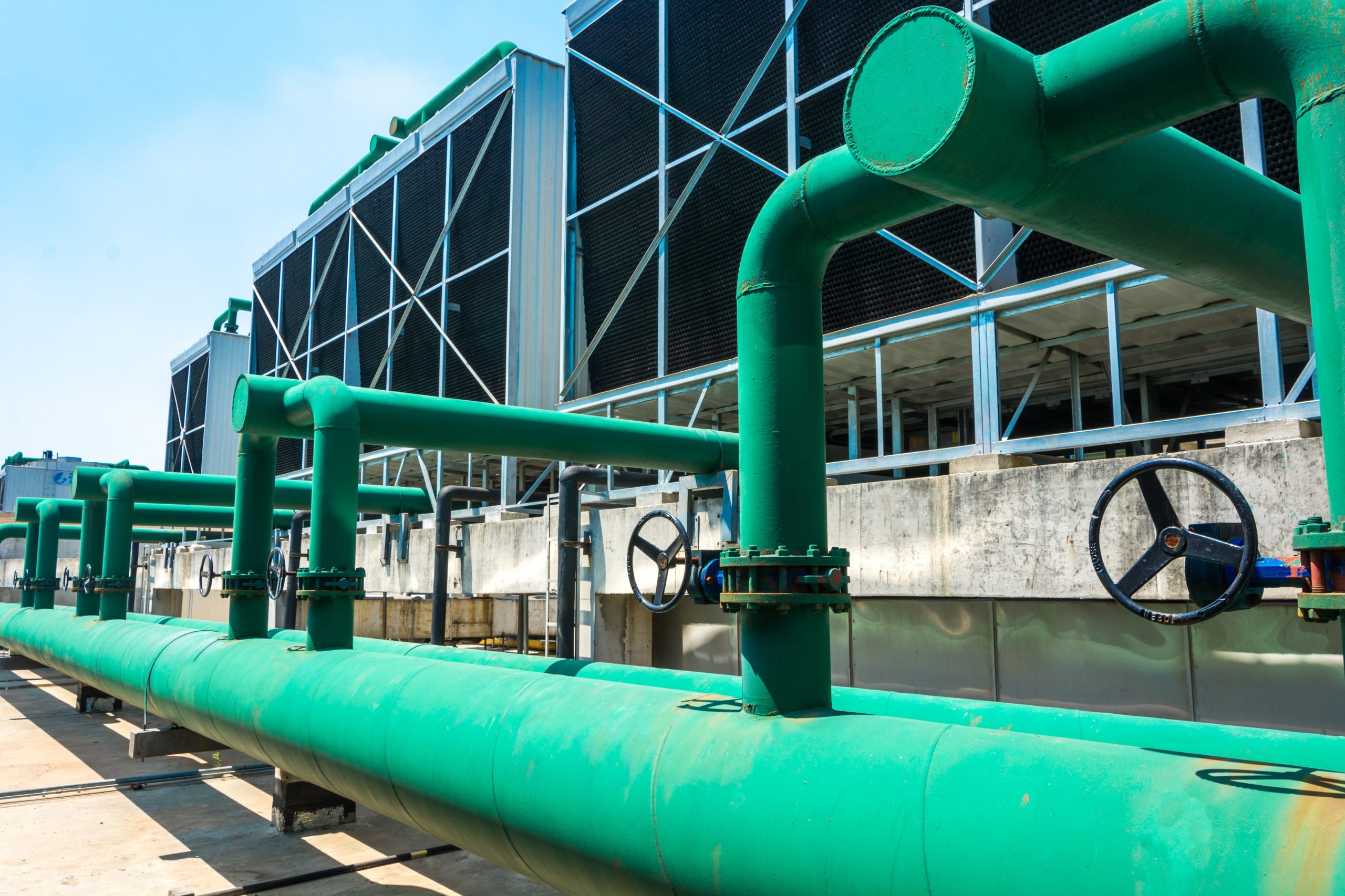
Commercial laundromats and on-premise laundries can benefit from filtration where rinse water reuse, water quality, and discharge requirements matter. Suspended solids in laundry water wear pumps and piping and reduce how well reuse loops perform.
Removing suspended solids helps protect pumps and piping, improves reuse loop performance, reduces equipment wear, and supports more consistent water quality for efficient washing operations.
Protect Pumps and Piping: Remove solids that wear pumps and build up in piping.
Improve Reuse Loops: Give rinse water reuse systems cleaner water to work with.
Reduce Equipment Wear: Limit the particulate load that wears components.
Support Consistent Water Quality: Keep wash water quality steadier for efficient operation.
Yardney Sand Media filters remove organic and inorganic suspended solids down to 20 microns and ship as complete skid-mounted units, ready for water and power hookup. Yardney Mini Media filters serve lower-flow applications from 15 to 45 gpm.
For higher-flow loops, Yardney Maxi-Clean screen filters use washable filter socks in 40 to 200 mesh and flow from 110 gpm, with less than 2 psi pressure drop and a purge valve for manual flushing. The right choice depends on your flow and the solids in your water.
Applications
Standard Assembly Includes (Sand Media systems)
Available Options


Filtration removes suspended solids. It does not remove detergents or dissolved chemicals, and discharge requirements may need further treatment.
Sand Media: organic and inorganic suspended solids down to 20 microns; from 10 gpm; backwash runs one tank at a time
Mini Media: sand media filtration for lower flows, 15 to 45 gpm; 125 psi standard operating pressure
Maxi-Clean Screen: down to 75 microns, 40 to 200 mesh filter socks, flows from 110 gpm, manual flush
Suspended solids wear pumps and piping and reduce reuse loop performance. Filtration protects equipment and supports more consistent water quality.
Removing suspended solids helps reuse loops perform. Whether reuse is practical depends on your equipment, water quality needs, and local rules.
It depends on flow. Mini Media handles 15 to 45 gpm, Sand Media starts at 10 gpm, and Maxi-Clean screens start at 110 gpm. Yardney can review your flow and water.
No. Filtration removes suspended solids. Detergents and other dissolved chemicals need separate treatment.
Removing suspended solids can help with solids-related limits. Whether that satisfies your requirements depends on local rules and what else is in the water.