
Golf Course Irrigation Water Filtration Systems

Golf course irrigation filtration removes sand, organics, and algae from pond, lake, and well water so sprinklers, nozzles, and control valves keep delivering consistent coverage.
Yardney Filtaworx self-cleaning screen filters are listed for golf course systems, and Pump Suction Screens protect the intake from lake and pond debris.
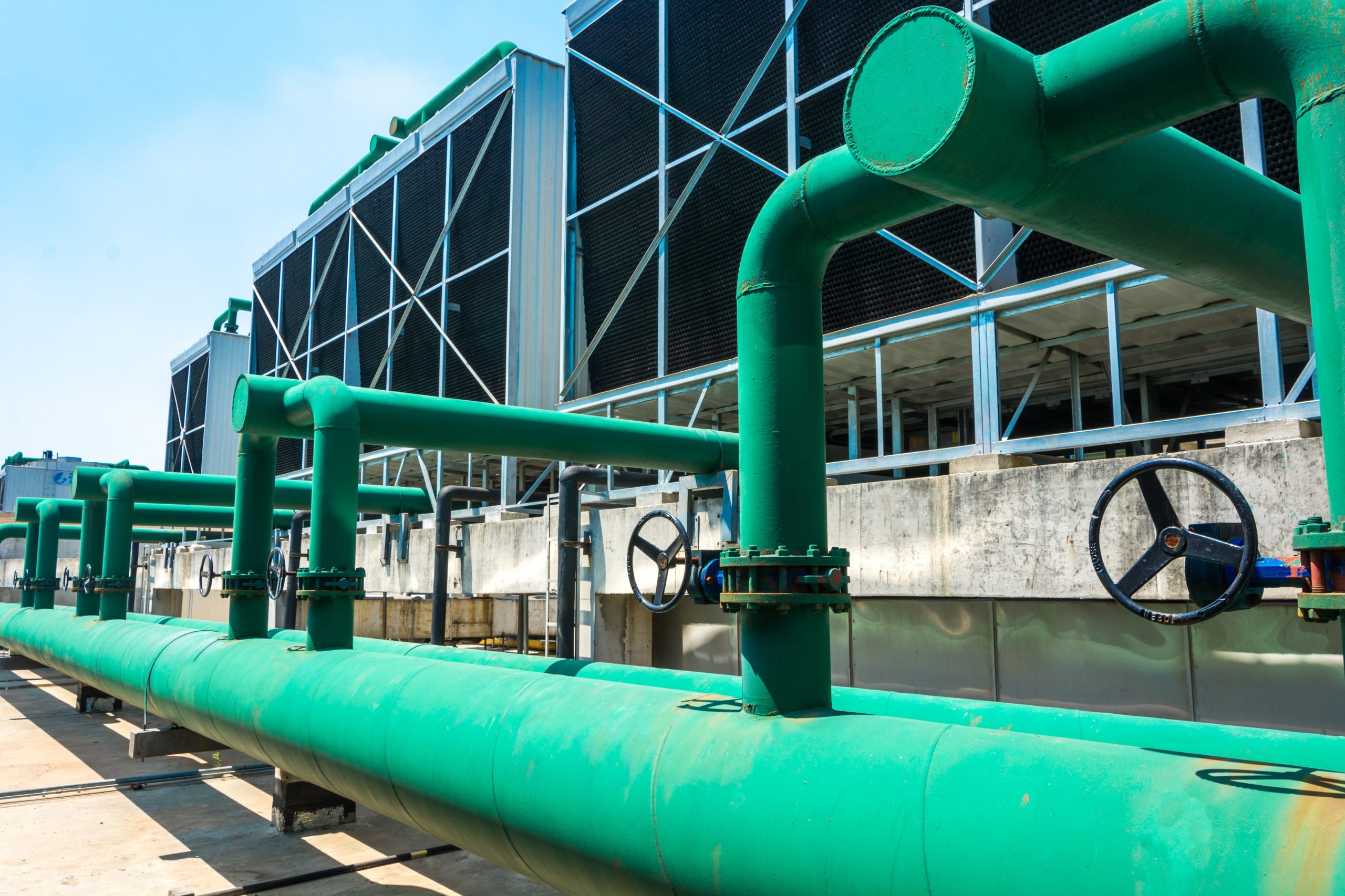
Golf course irrigation systems demand consistent performance across greens, tees, and fairways, where even minor plugging can create dry spots and turf stress. Filtration handles sand, organics, and algae while keeping flow and pressure stable to sprinklers and control valves.
Irrigation ponds are a common source of algae. Industry reporting notes that drawing from a problem pond can spread algae onto greens, even without a visible bloom, which makes filtering at the pump station worthwhile.
Fewer Nozzle Blockages: Reduce plugging at sprinklers and nozzles.
Consistent Coverage: Prevent dry spots from uneven distribution.
Stable Flow and Pressure: Keep control valves and sprinklers supplied.
Less Downtime: Cut repairs and keep turf quality high.
Yardney Filtaworx automatic self-cleaning screen filters are listed for drip, micro-spray, sprinkler, and golf course irrigation. They remove algae, slime, and other organics along with sand and grit, with filtration down to 250 mesh or 50 microns and flows from 110 gpm.
The cleaning cycle starts when the pressure drop across the screen reaches a preset 5 to 7 psi. Screens are available from 50 to 800 microns, so the fineness can match the sprinklers and valves on your course.
Applications
Standard Assembly Includes (Filtaworx)
Available Options

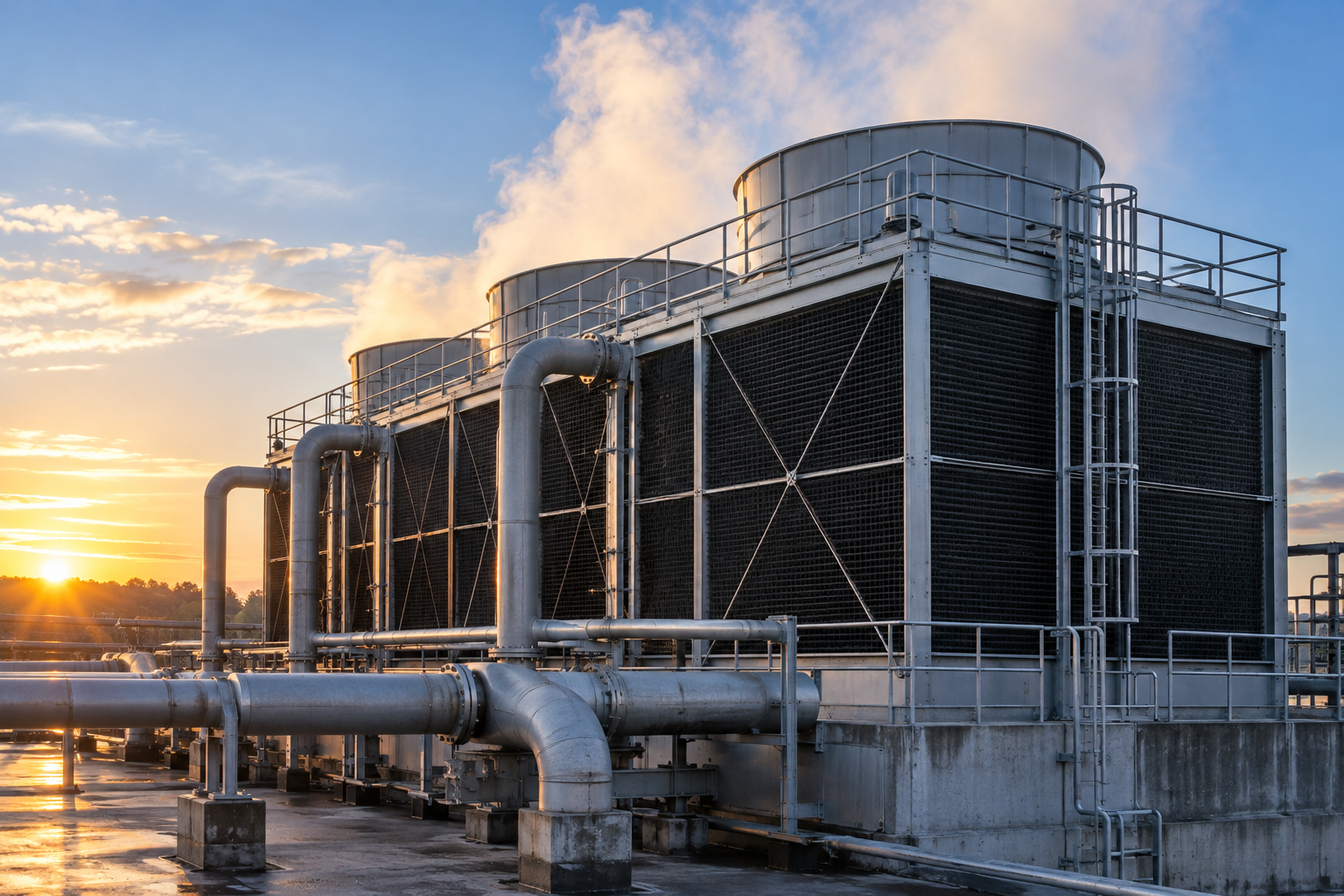
Filter selection depends on the water source and the sprinkler nozzle size, so each station is sized from site data.
Filtaworx: self-cleaning screen; 50 to 800 micron screens; from 110 gpm; 150 psi; automatic cleaning at 5 to 7 psi pressure drop
Pump Suction Screen: self-cleaning 10 mesh stainless steel intake screen; from 325 gpm; 35 to 65 psi; named for golf course lake intakes
Sand Media: algae, slime, sand, and grit removal down to 200 mesh or 75 microns; 100 psi standard
Sand, organics, and algae plug nozzles and valves, which causes dry spots and turf stress. Filtration keeps flow and pressure stable and cuts downtime.
Filters capture algae, slime, and other organics before water reaches sprinklers. They do not control algae in the pond itself, which needs separate management.
Yardney Filtaworx screens clean themselves automatically when the pressure drop across the screen reaches a preset 5 to 7 psi, so crews do not clean them by hand.
A Pump Suction Screen filters larger debris from lakes, ponds, canals, and ditches so pumps and primary filters run without clogging. It is sized from 325 gpm.
Filtaworx screens start at 110 gpm, sand media systems are built in multiple configurations, and Yardney sizes each station from your pump flow and source.