Arsenic Removal Filtration Systems for Municipal Water
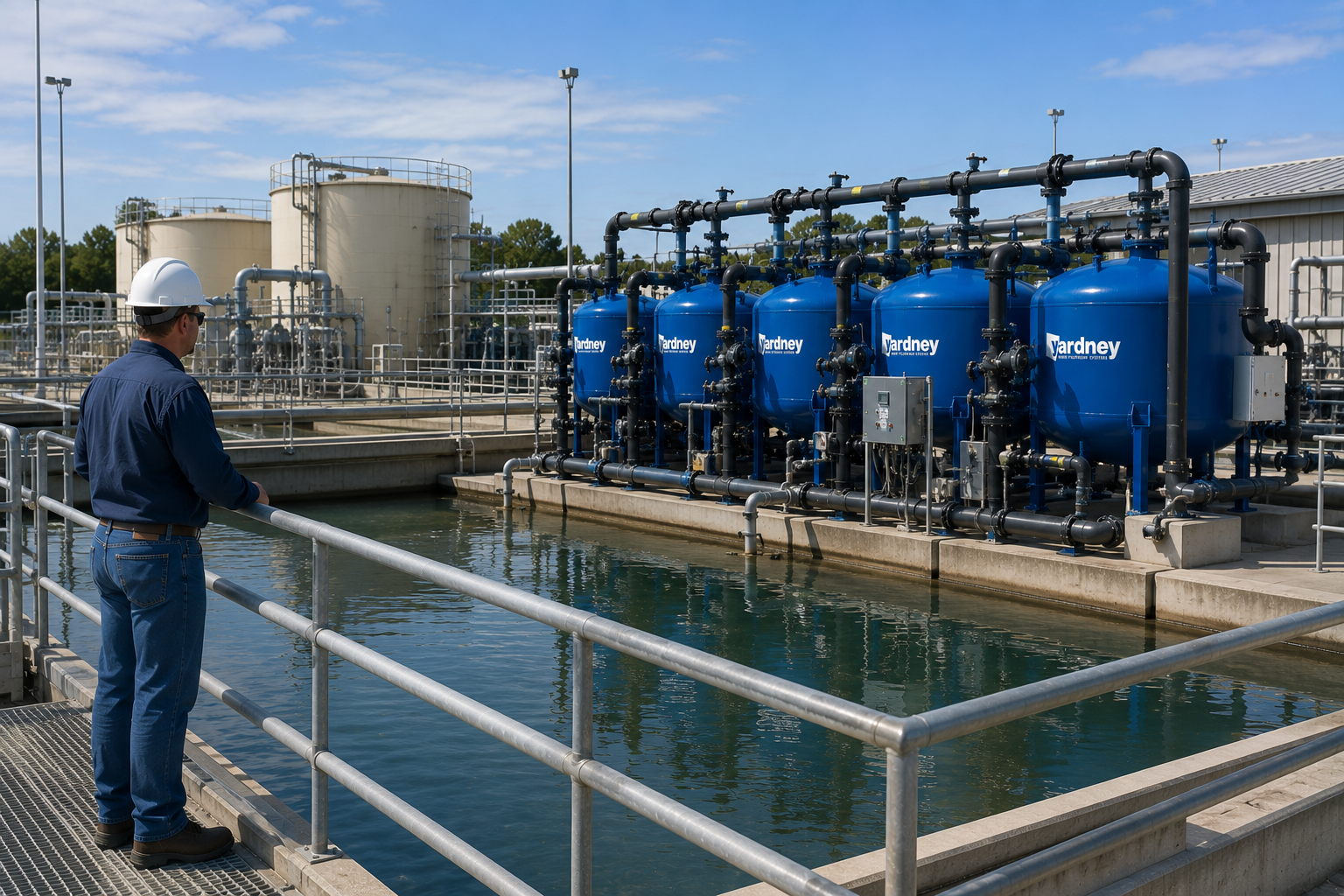
Municipal arsenic reduction uses filtration as part of a broader treatment train, removing particulates and arsenic-bearing solids while protecting downstream media.
Yardney Multi Media systems with IMA-65 specialty media are listed for iron, manganese, and arsenic, and YWFS-H-A media targets arsenic.
Municipal arsenic reduction requires reliable treatment that supports regulatory targets while maintaining stable operation as source water changes. Filtration is often used as part of a broader treatment train to remove particulates and protect downstream media or processes.
EPA lists coagulation and filtration, iron-based adsorption, ion exchange, and membranes among arsenic removal options. Iron plays a central role, because iron hydroxides adsorb and co-precipitate arsenic.
Reduce Arsenic: Treat arsenic with media engineered for it.
Protect Downstream Media: Capture particulates before they reach other processes.
Consistent Performance: Cope with variable solids and water chemistry.
Lower Maintenance: Reduce the maintenance burden tied to solids loading.
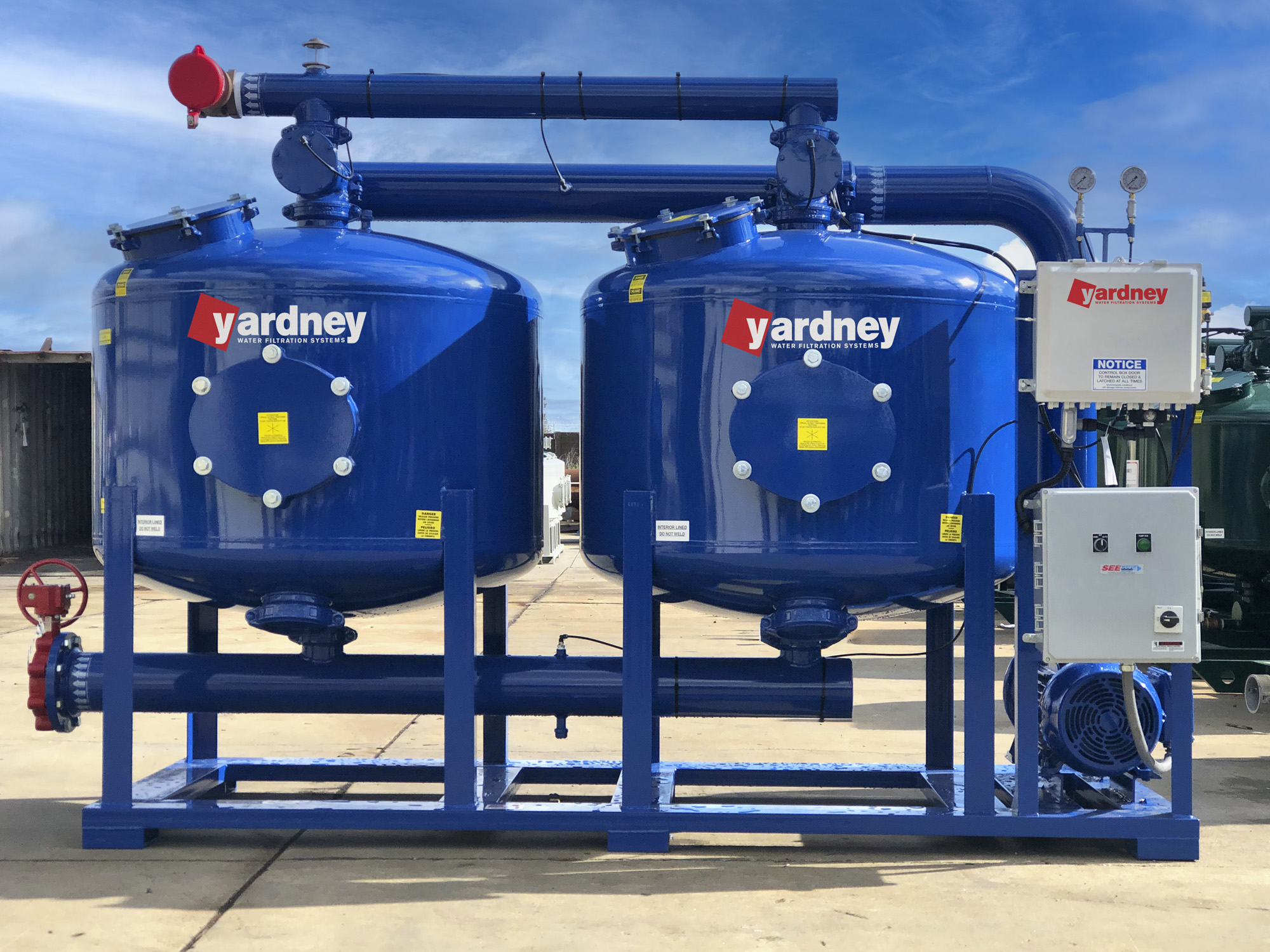
Yardney Multi Media systems filter organic and inorganic suspended solids down to 5 microns and can be supplied with specialty media. IMA-65 media is listed for iron, manganese, and arsenic, and YWFS-H-A is listed for arsenic.
Each system is skid mounted and fully assembled. Yardney also supplies specialty media as replacement media for existing units.
Applications
Standard Assembly Includes (Multi Media systems)
Available Options
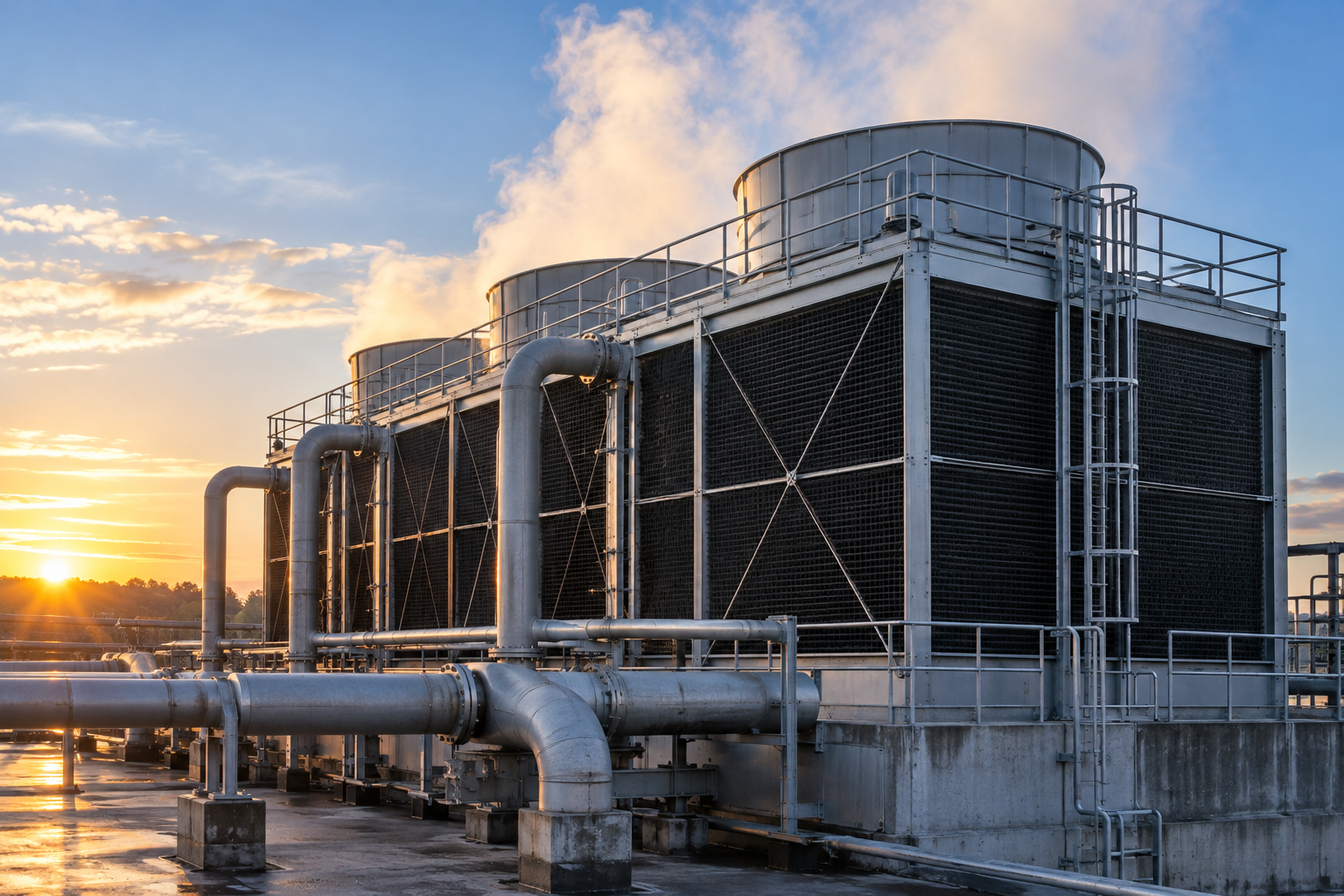
Arsenic chemistry depends on its form and on the iron present, so media, dosing, and sizing are set from site water data.
Multi Media: organic and inorganic suspended solids down to 5 microns; from 10 gpm; automatic backwash by elapsed time or pressure differential
Specialty Medias: IMA-65 for iron, manganese, and arsenic; YWFS-H-A for arsenic; supplied in systems or as replacement media
Free Flow PFAS: GAC, IX resin, or dual media; lists arsenic among its applications; 125 psi standard
Lakewood, California, takes all of its drinking water from groundwater. Well 13A produces about 900 gpm and tested above the federal arsenic limit in 2019, so it was taken offline.
Two Yardney multi media systems (IMA-65) with four 54-inch vessels each, running at 80 psi, treat the well. In commissioning tests from April 16 to May 7, 2024, arsenic fell from 15 ppb to 2.32 ppb.
Common options include coagulation and filtration, iron-based adsorption, ion exchange, and membranes. Filtration removes the particulates that carry arsenic and protects other steps.
IMA-65 is a Yardney specialty media listed for iron, manganese, and arsenic. It is supplied in Yardney systems or as replacement media for existing units.
Iron hydroxides adsorb and co-precipitate arsenic, so the amount of iron in the water affects removal. Yardney sizes the media and any oxidation step from your water data.
Not on its own in most cases. Arsenic reduction usually combines filtration with media, oxidation, or other steps, which is why site water testing drives the design.
Multi Media systems start at 10 gpm, and the Lakewood project treats about 900 gpm with eight vessels. Larger vessels reach 144 inches.