
Agricultural Irrigation Water Filtration Systems
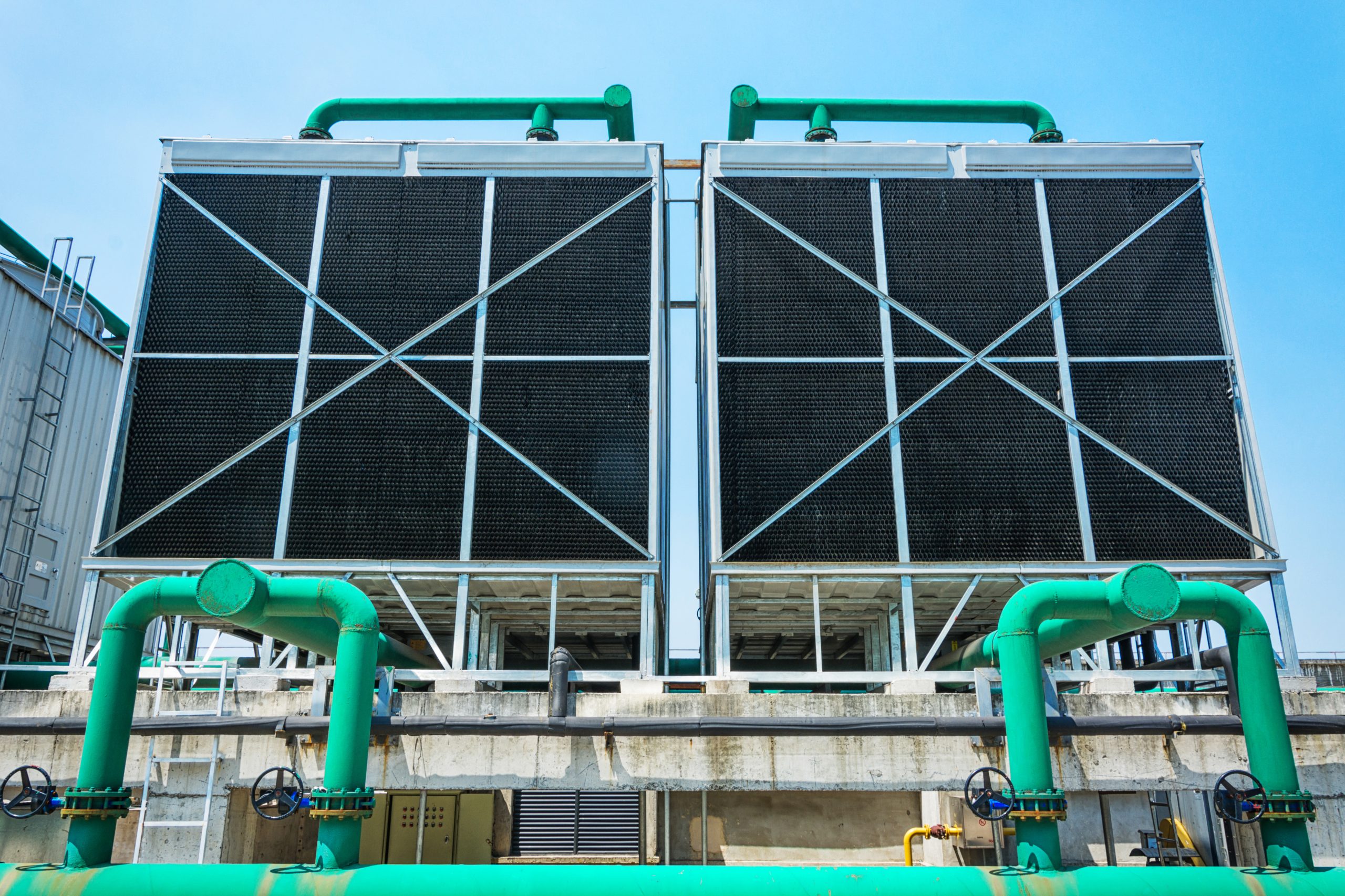
Agricultural irrigation filtration removes sand, silt, algae, and organic debris from irrigation water before it reaches pumps, laterals, and emitters, so drip and micro systems keep delivering evenly.
Yardney has built sand media filters for irrigation since 1965, and its screens and separators are designed to protect drip and micro-irrigation systems.
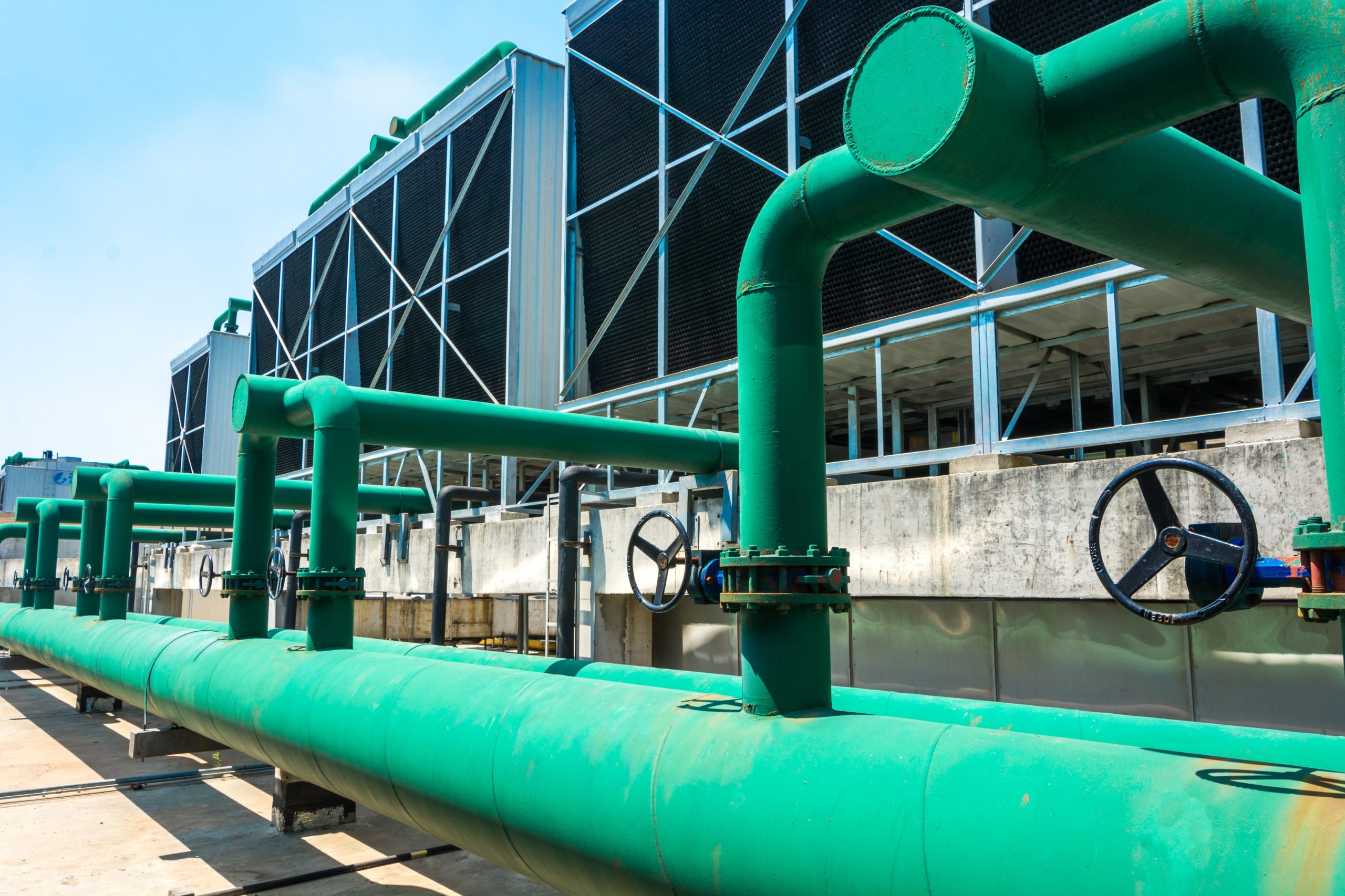
From row crops to orchards and vineyards, agricultural irrigation water often carries sand, silt, algae, and organic debris that can clog emitters, damage pumps, and reduce uniformity across the field. Surface supplies and seasonal changes in the water source make the load harder to predict.
University of Nebraska extension guidance names emitter clogging as the main failure in subsurface drip systems and groups the causes as physical, biological, and chemical. Sediment and sand are the physical cause, and algae and bacteria are the biological one.
Protect Emitters and Laterals: Remove suspended solids before they reach drip and micro systems.
Even Distribution: Improve distribution consistency across the field.
Less Maintenance Labor: Spend less time flushing lines and clearing emitters.
Longer Component Life: Extend the life of pumps, valves, and emitters.
Yardney Sand Media filters are designed for the most challenging dirty water conditions in irrigation systems. They remove algae, slime, and other organic material along with sand, rock, grit, and other inorganic contaminants, with filtration down to 200 mesh or 75 microns.
Backwash is initiated automatically by elapsed time or pressure differential. A centrifugal separator ahead of the filter takes out heavy sand, and a Thru-Flush screen filter can follow as a secondary stage.
Applications
Standard Assembly Includes (Sand Media)
Available Options

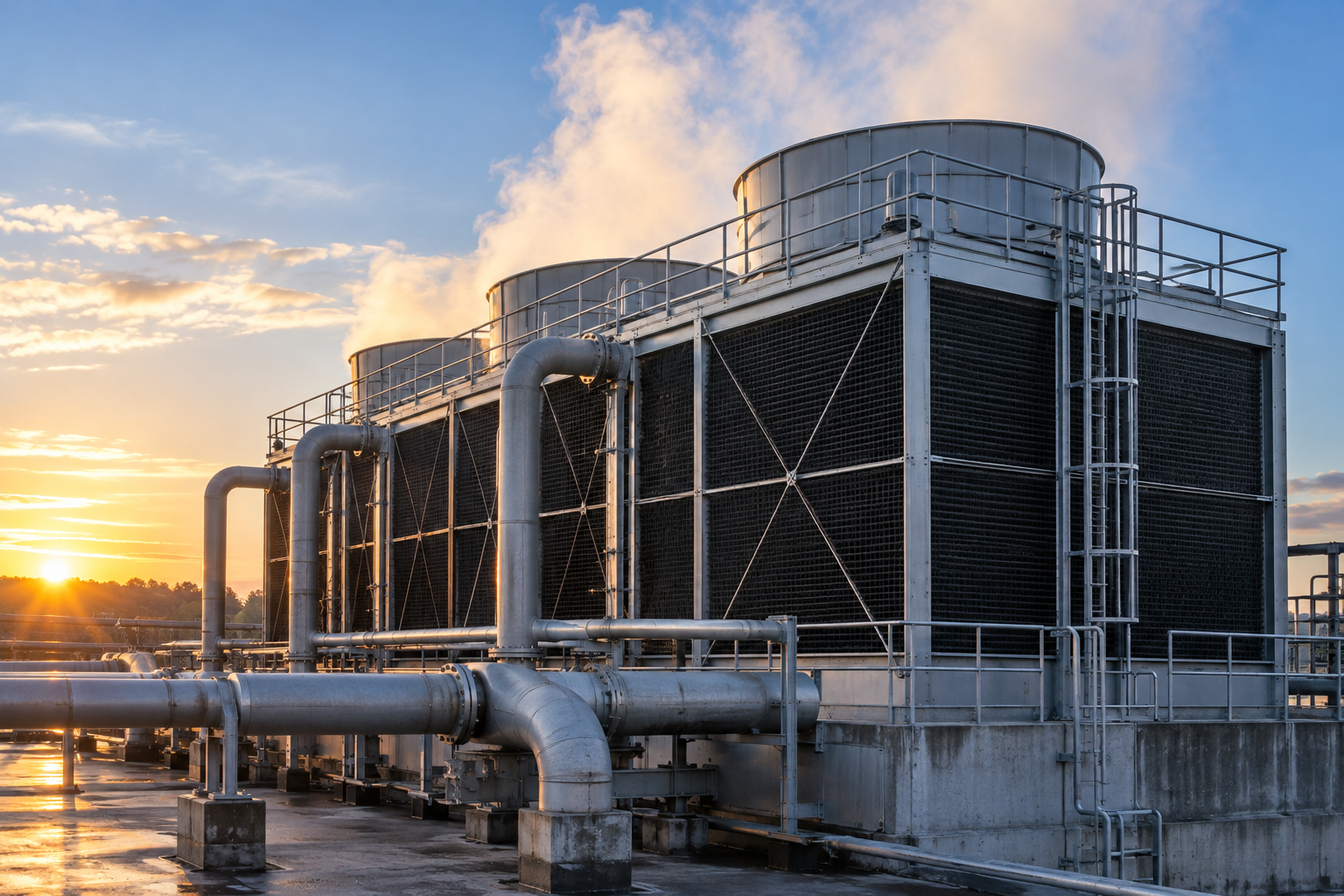
Sand Media: algae, slime, sand, and grit removal down to 200 mesh or 75 microns; 100 psi standard; backwash by elapsed time or pressure differential
Centrifugal Sand Separator: solids with a specific gravity of 2 or greater, 98% down to 75 microns; from 4 gpm; 150 psi; manual or automatic purge
Thru-Flush Screen: secondary filtration down to 200 mesh or 75 microns; from 200 gpm; 150 psi; manual or automatic flush
Bagdasarian Farms irrigates a 40-acre block of organic lemons in Mecca, California, with Colorado River water delivered by the Coachella Canal. The canal water carries heavy sediment, there was no room for a settling reservoir, and the original three-filter system was 23 years old.
Since November 2023 three Yardney sand media systems with three 36-inch vessels each, followed by Thru-Flush screen filters, treat 360 gpm at 100 psi. The farm manager calls the new filters “working really well.”
Read the case study →
Even small particles can block emitter openings. Filtration removes sand, silt, algae, and organic debris before they reach laterals and emitters.
University of Nebraska extension groups causes as physical (sediment and sand), biological (algae and bacteria), and chemical (scale and iron). Filtration addresses the first two.
If your source carries heavy sand, a separator takes it out first so media or screen filters work better. Yardney reviews your water to recommend the stages.
Sand media filters remove algae, slime, and other organic material, and Maxi-Flush screens are built for surface water with high algae loads. The right choice depends on flow and solids.
Sand media filters backwash automatically on elapsed time or pressure differential, cleaning one tank at a time on multi-tank systems. Thru-Flush screens purge with source water pressure.